Seattle, Washington, is a critical global trade gateway and home to one of North America's most dynamic industrial hubs. From the extensive maritime operations in the Puget Sound to the advanced aerospace cluster in King County, industrial equipment operates under highly specific environmental conditions. Gearbox failures in these industries do not merely lead to maintenance costs; they trigger extensive operational downtime that halts supply chains and shipping routes.
The Puget Sound region is defined by persistent humidity, low average ambient temperatures during winter, and salt-laden coastal air. These elements act as catalysts for oil degradation, moisture condensation, and galvanic corrosion. Standard industrial gear oils quickly fail under these conditions due to poor demulsibility—the inability to separate water from oil. When gear oil emulsifies with moisture, it loses its load-carrying capacity, leading to premature micropitting, gear tooth wear, and system failure. Our high-performance formulation represents the ideal standard for this market by employing advanced demulsifiers that rapidly separate water, enabling operators to drain free water from gearbox reservoirs before it degrades the lubricant matrix.
Tugboats, commercial fishing fleets, and cargo vessels operating out of the Port of Seattle subject their gearboxes (thrusters, winches, and windlasses) to sudden shock loads and continuous low-temperature operations. Inadequate lubricating films under load result in metal-on-metal friction. Our marine gear solutions feature high Viscosity Index (VI) base stocks combined with sulfur-phosphorus Extreme Pressure (EP) additives that establish a protective boundary layer capable of absorbing high torque impulses.
The Seattle-Tacoma-Bellevue aerospace corridor relies heavily on high-precision machining, conveyor lines, and heavy assembly cranes. These systems demand lubricants that produce zero sludge or varnish, even under continuous multi-shift operations. Advanced synthetic gear oils formulated with polyalphaolefin (PAO) chemistry provide excellent oxidation stability, ensuring that critical plant assets run smoothly without frequent maintenance intervals.
Established in 2009 and headquartered in Zibo, Shandong, Shandong Longhai Lubrication Technology Development Co., Ltd. is a high-tech enterprise integrating R&D, production, and sales. Over the course of 15 years, the company has deeply involved itself in the lubricant industry, constructing a complete industrial chain system dedicated to providing premium lubrication solutions for global industrial and transportation fields.
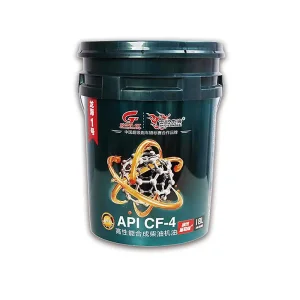
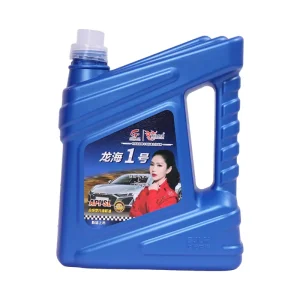
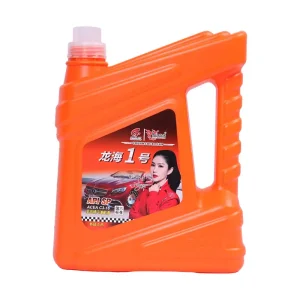
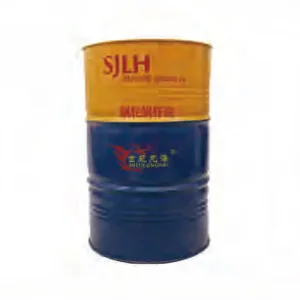
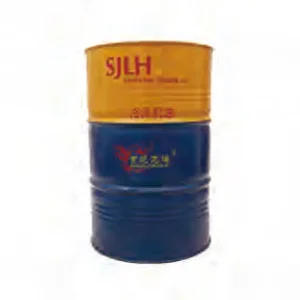
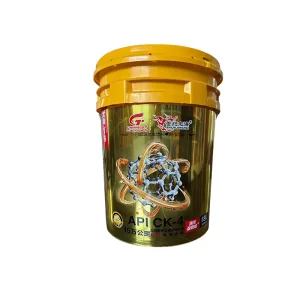
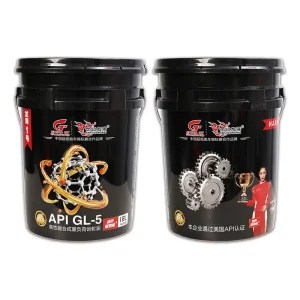
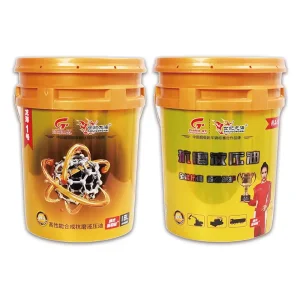
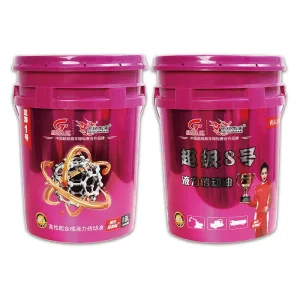
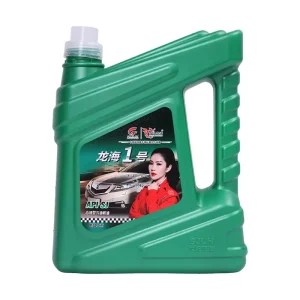
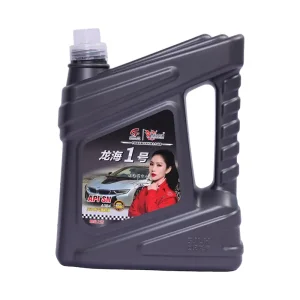
As a reliable manufacturer, Longhai Technology owns its proprietary brand "Century Longhai" and the international strategic cooperation brand British "A Ba" series. Our comprehensive product portfolio covers diesel engine oil, gasoline engine oil, gear oil, hydraulic transmission oil, anti-wear hydraulic oil, specialized engine oil for engineering machinery, special natural gas engine oils, fully synthetic fluids, automotive urea solutions, antifreeze, motorcycle engine oils, and diverse industrial lubricants. For maximum assurance, our product quality is insured by the People's Insurance Company of China (PICC).
Longhai Technology operates a state-of-the-art production base covering 131 acres, yielding an annual production capacity of 200,000 tons. Equipped with fully automated intelligent blending lines and precision QA/QC laboratories, we meet both standard and highly customized chemical requirements. The filling production line employs high-precision metering systems to ensure filling accuracies of 1‰-2‰. While maintaining this precision, it increases overall throughput speed by 20% to 35%, ensuring short lead times and reliable supply chain security for international markets, including the Pacific Northwest.
Years Industry Expertise
Tons Annual Capacity
Acres Production Base
Annual Revenue R&D Investment
Operating industrial machinery in Washington State requires strict compliance with environmental protection regulations enforced by the Washington Department of Ecology and the U.S. Environmental Protection Agency (EPA). Specifically, marine vessels operating in Puget Sound must abide by the EPA's Vessel General Permit (VGP) standards. These regulations require the use of Environmentally Acceptable Lubricants (EALs) in all oil-to-water interfaces, such as stern tubes, thrusters, and variable-pitch propellers.
Our research and development program incorporates synthetic esters and polyalkylene glycol (PAG) base stocks. These chemistry lines offer rapid biodegradation (greater than 60% within 28 days via OECD 301B testing) while maintaining extreme pressure characteristics equal to or exceeding mineral-based lubricants.
Given Seattle's wet climate, moisture ingress in gearboxes is inevitable. Our fluids feature custom rust inhibitors and demulsifiers that isolate water molecules. This prevents the formation of corrosive acids and maintains the load-bearing oil film, protecting gears against micro-pitting and surface fatigue.
Equipment in the Pacific Northwest frequently transitions from freezing outdoor environments to heated production lines. We utilize high-quality viscosity index improvers to ensure the gear oil flows efficiently at startup (reducing torque draw and energy costs) while maintaining structural integrity at operating temperatures.
Our commitment to sustainability and engineering excellence guarantees that our industrial partners in Seattle can maximize mechanical availability without compromising compliance with federal and state ecological directives.
Longhai Technology is a key manufacturing partner for numerous industrial and automotive brands worldwide. Our capabilities extend beyond catalog sales to full-service, contract chemical blending and manufacturing. By utilizing advanced laboratory instruments, we develop customized lubricants that conform to OEM specifications such as API, ACEA, DIN, and ISO standards.
Fully synthetic, semi-synthetic, and premium mineral oil compositions engineered to target precise temperature extremes, friction levels, and load conditions.
Support for small-scale pilot batches for proprietary formulations through to mass-volume commercial production runs, with flexible packaging options.
Strict quality assurance protocols validated by our in-house ISO 9001 and IATF 16949 testing laboratories. We supply comprehensive analysis certificates with every shipment.
Professional label design, structural packaging, and regulatory documentation support to help industrial distributors establish strong, market-compliant products.
Evaluating mechanical demands, target operating conditions, and local environmental standards.
Formulating prototype chemistries utilizing premium base fluids and targeted additive packages.
Rigorous bench testing for shear stability, water demulsibility, foam control, and wear scar index.
Utilizing high-precision metering and automated blending lines to manufacture uniform batches.
Coordinating secure packaging and international shipping to major distribution centers, including Seattle.
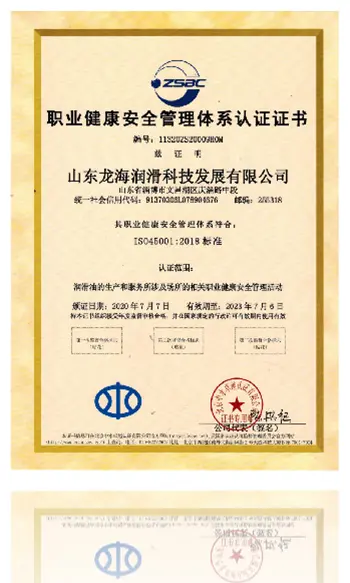
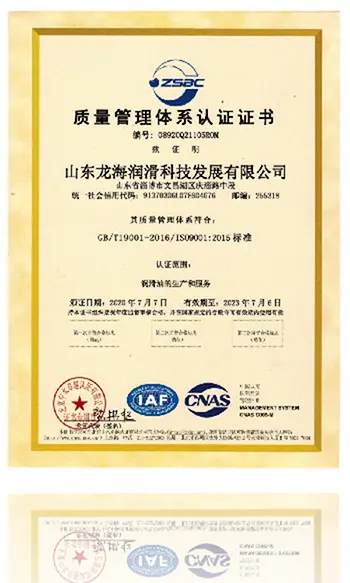
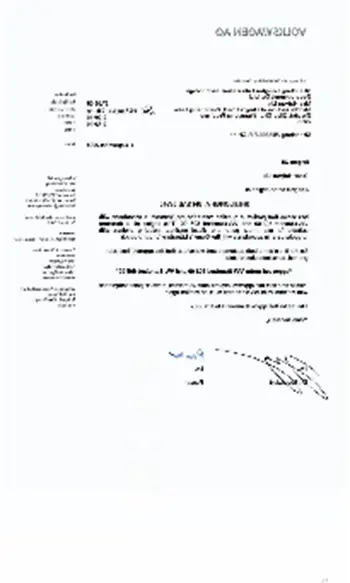
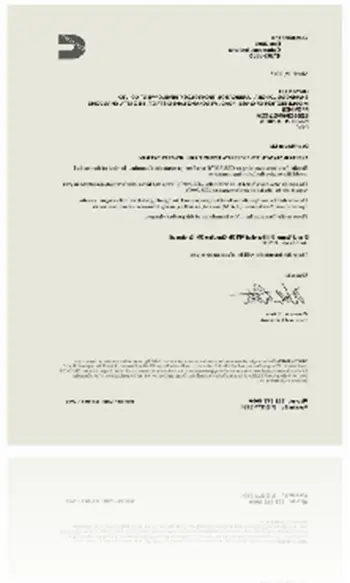
Longhai Technology has implemented rigorous global management models. Our production base holds ISO 9001:2015 Quality System Certification, ISO 14001:2015 Environmental Management System Certification, and ISO 45001:2018 Occupational Health and Safety Management System Certification. Additionally, our fluids hold prestigious OEM approvals, including automatic transmission fluid certification from Mercedes-Benz.
System: Planetary gears, hoist gearboxes, and slewing gear drives on container handling cranes at the Port of Seattle.
Challenge: Heavy loading, marine salt fog, and continuous directional changes causing shock stress.
Solution: Application of Century Longhai Heavy-Duty Synthetic Gear Oil with advanced EP additives. Results showed a 40% drop in wear metal particles in oil analysis and prolonged drain intervals from 2,000 to 5,000 operating hours.
System: Heavy-duty municipal diesel trucks, waste haulers, and transit buses operating in urban stop-and-go patterns.
Challenge: Excessive engine sludge formation and high soot loading leading to oil starvation.
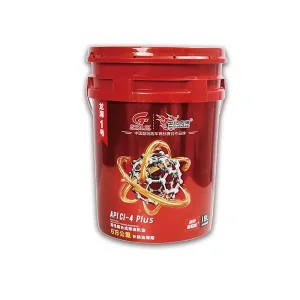
Solution: Longhai CI-4 PLUS Premium Diesel Engine Oil. By utilizing soot-dispersive polymers, the city fleets achieved cleaner piston crowns and registered a 3.2% improvement in overall fleet fuel efficiency.
System: High-torque worm gear reducers in water aeration tanks and processing pumps.
Challenge: High ambient humidity resulting in rapid emulsion and loss of lubricant film thickness.
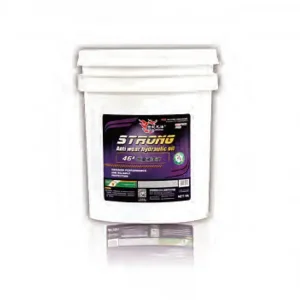
Solution: Longhai High-Performance Worm Gear Oil featuring exceptional demulsibility. Water separated cleanly, allowing continuous oil skimmers to extract moisture, preventing gear tooth pitting.
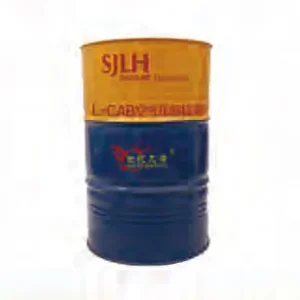
Get in touch with our technical sales team today for customized formulations, industrial bulk supply quotes, and comprehensive technical datasheets.
Send Inquiry Now Longhai