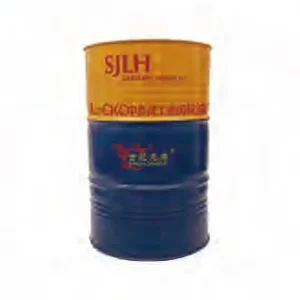
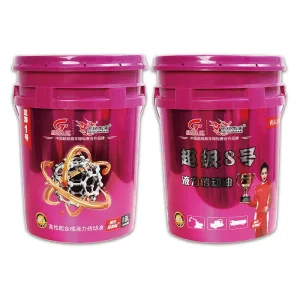
Wholesale Top Motorbike Oil Additives Suppliers & Exporters

Engineered for high-rpm durability, friction optimization, and extended powertrain longevity. Your global gateway to premium-grade formulation additives and bulk motor oils.

The Evolution of Motorbike Oil Additive Chemistry

Decoding the shifts in global specifications, tribological requirements, and emission standard compliance.

Understanding the Tribal Tribology of Motorcycle Powertrains

Unlike standard passenger cars (PCMO), motorbikes utilize a unified sump system. This unique architecture forces a single lubricant to concurrently service the high-speed thermal loads of the combustion chamber, the heavy-load shear stresses of the integrated gearbox, and the precise friction coefficient needs of the wet clutch system. Consequently, the formulating process of motorbike oil additives requires an exceptionally balanced package of components.

Friction Modifiers Optimization
Eliminating the usage of friction modifiers like molybdenum disulphide which induce clutch slippage, while implementing advanced organic friction modifiers to prevent energy loss without compromising the static friction coefficient.
Shear Stability index (SSI)
Motorbike gears slice molecular chains of viscosity index improvers (VIIs). Formulating with highly shear-stable polymers ensures the engine oil retains its protective film thickness under high shear rates (HTHS).
Thermal & Oxidation Stability
High RPMs and air-cooled engine blocks elevate crankcase temperatures to extreme thresholds. Modern additive chemistry leverages ashless dispersants to prevent lacquer formation and ring-sticking.

SEO Insight & Information Gain: While standard engine oils are classified under API sequences (such as SP, SN), 4-stroke motorcycle formulations must satisfy the stringent regulatory criteria of JASO T 903:2016, separating products into MA, MA1, MA2 (high friction for wet clutches) and MB (low friction for automatic scooters). Our customized chemical solutions target these specific subcategories to provide optimized lubrication solutions.

Global Regulatory Pressures and Transition to Synthetic Bases

Under tightening global emission restrictions, including Euro 5 for motorcycles, the industry has seen a structural shift. The demand has migrated away from mineral bases toward API Group III hydrocracked and Group IV Polyalphaolefin (PAO) synthetic base oils. Formulators must adapt by selecting additives that demonstrate highly efficient solubility inside these non-polar base oils, necessitating complex ester or alkylated naphthalene co-base components to prevent additive drop-out and maximize detergent performance.

Global B2B Procurement Dynamics & Strategic Sourcing

Analyzing key requirements for industrial importers, wholesale distributors, and blending facilities worldwide.

Industrial buyers face complex procurement challenges. When importing additives or finished lubricants, companies look beyond raw performance stats. Supply chain stability, chemical consistency, customization speed, and absolute pricing optimization determine market competitiveness.

Regulatory Compliance
Adherence to REACH, GHS safety datasheets (SDS), and local chemical inventory listings is essential for seamless customs clearance in European and North American markets.
Custom Formulation
The capability to modify anti-wear levels (Zinc Dialkyl Dithiophosphate - ZDDP) or detergent elements (Calcium/Magnesium Salicylates) based on regional sulfur levels of fuels.
Logistics Infrastructure
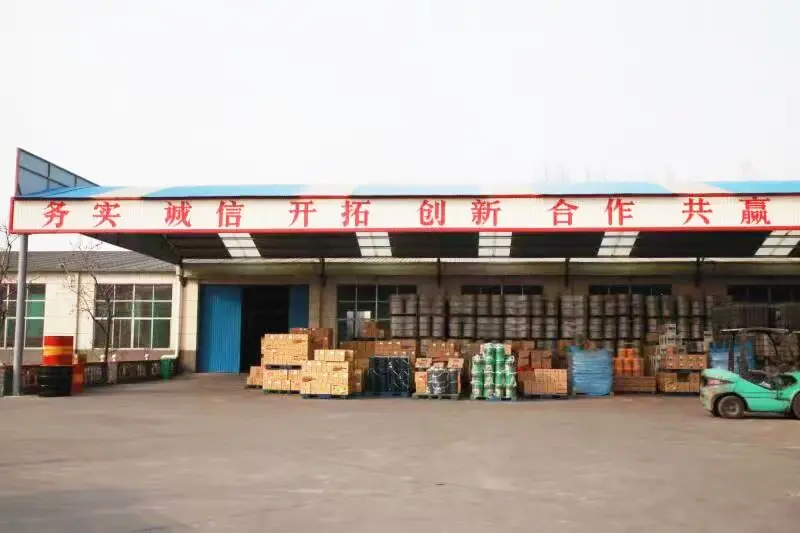
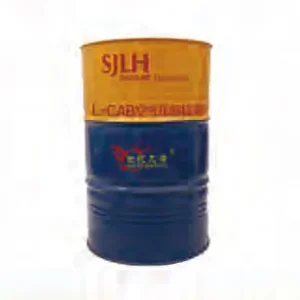
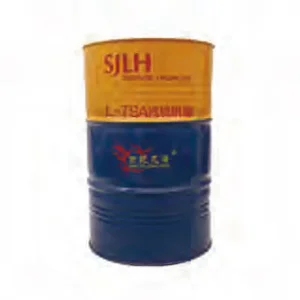
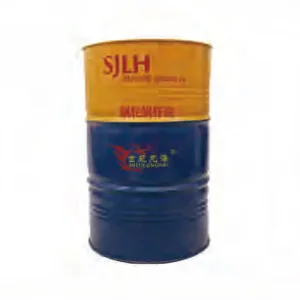
Availability of flexible supply formats: from IBC totes and 200L drums to flexitanks or bulk ISO tanks to lower transit unit costs.
Quality Traceability
End-to-end trace documentation, batch retention samples, and infrared fingerprinting (FTIR) reports to guarantee consistency between production runs.

15+

Years of Lubricant R&D Experience

200K

Tons Annual Blending Capacity

131

Acres State-of-the-Art Production Base

139

Global Cities Served & Exported To

Shandong Longhai: China Factory 4.0 & Supply Chain Resilience

How our advanced industrial infrastructure ensures efficiency, speed, and uncompromising quality control.

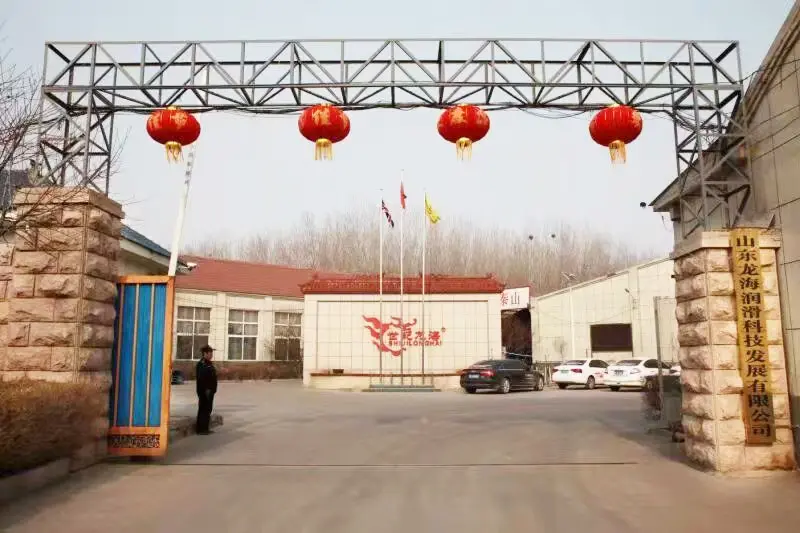
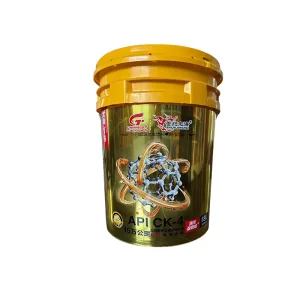
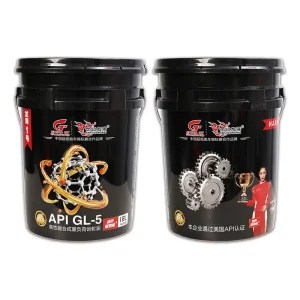
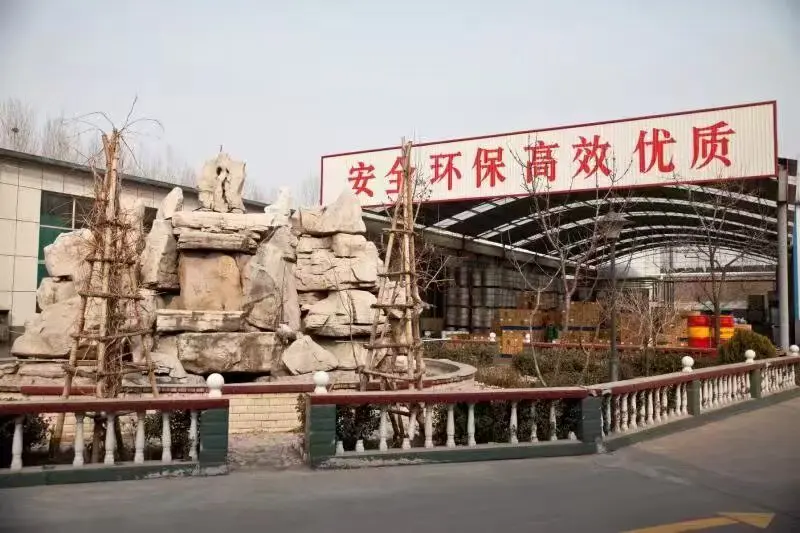
Established in 2009 and headquartered in Zibo, Shandong, Shandong Longhai Lubrication Technology Development Co., Ltd. is a high-tech enterprise integrating R&D, production and sales. Deeply involved in the lubricant industry for more than 15 years, we have built a complete industrial chain system. Our proprietary brands, including "Century Longhai" and the British strategic partner brand "A Ba" series, are trusted globally and fully insured by PICC China People's Insurance Company.

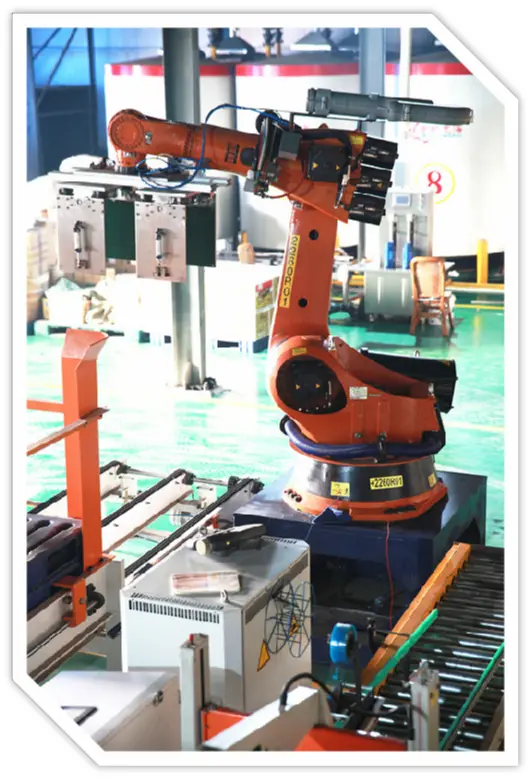
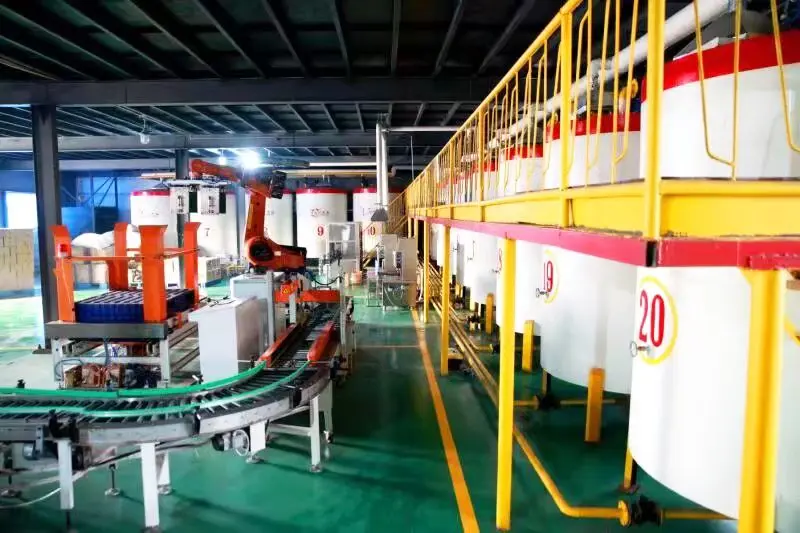
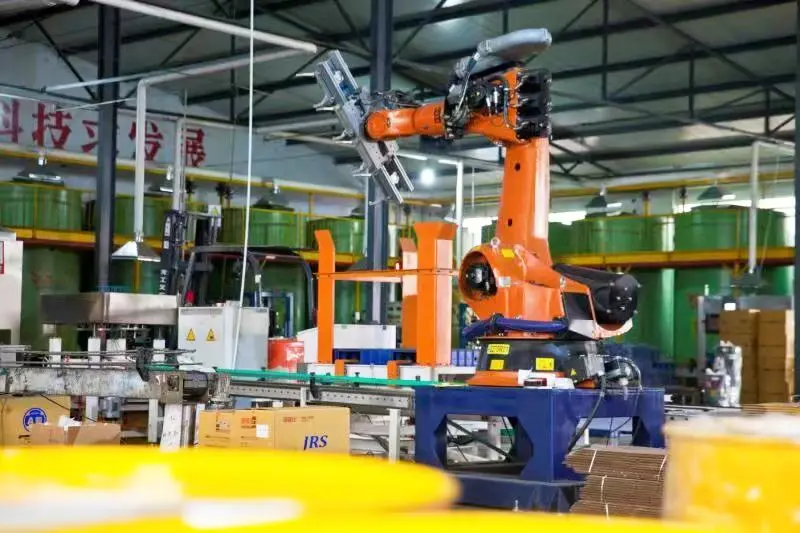
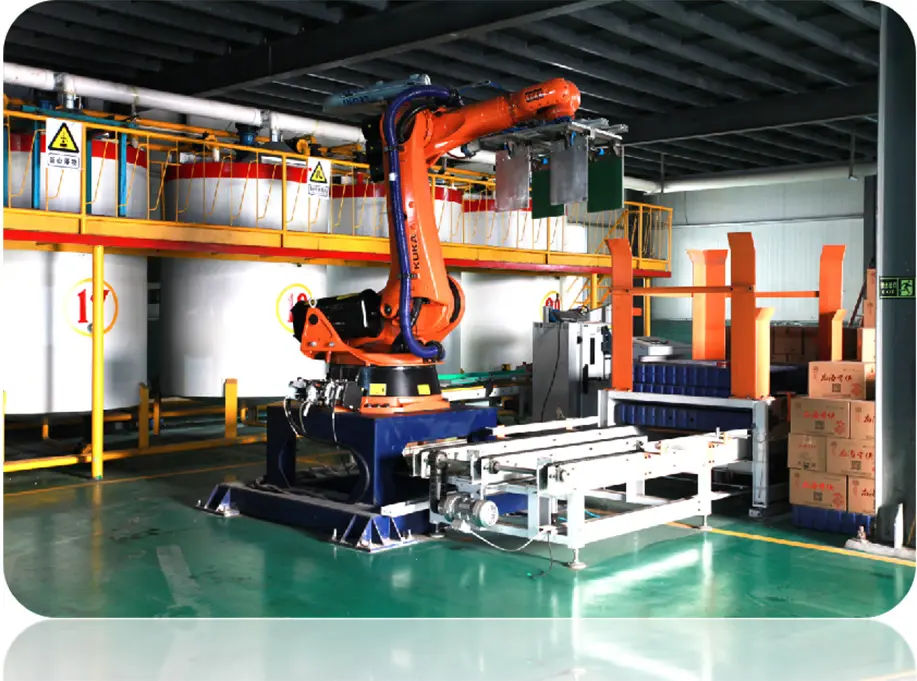
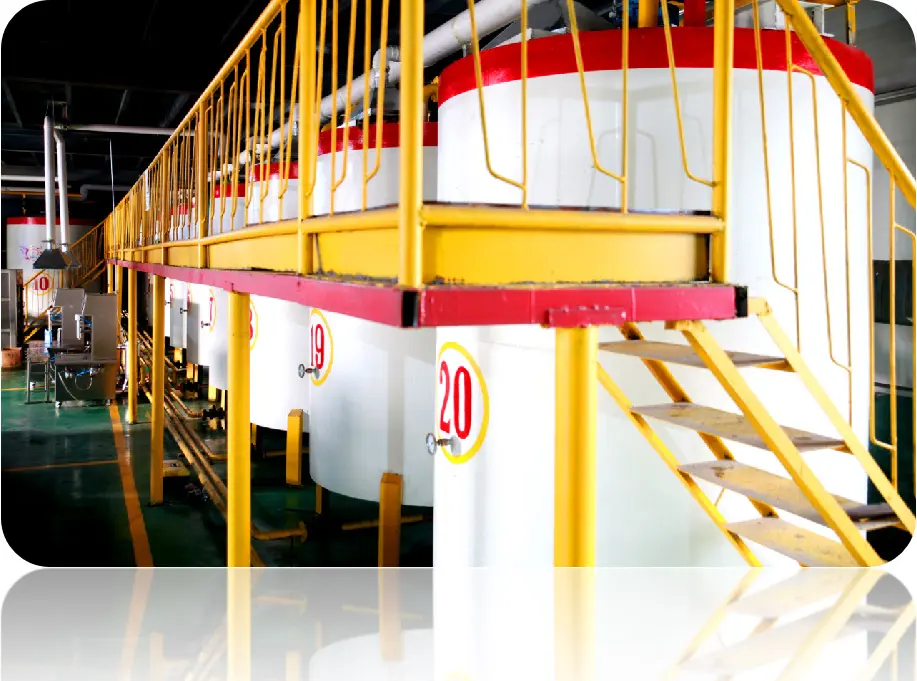
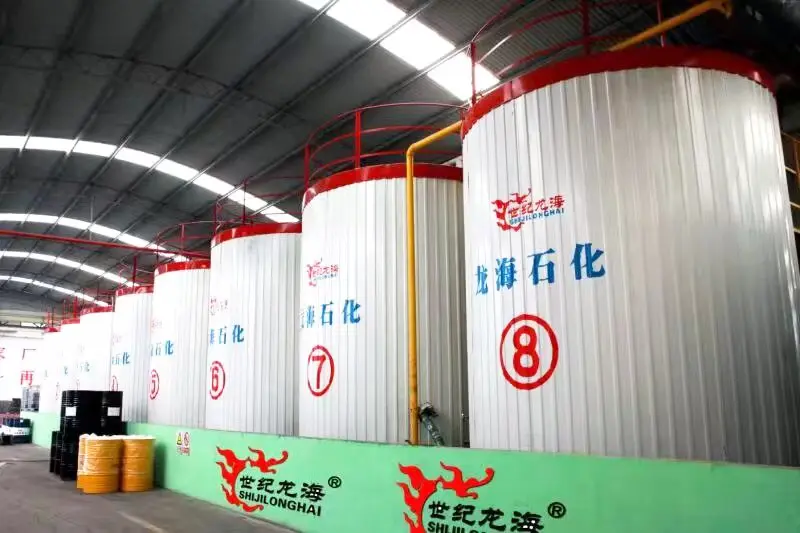
Our commitment to the modern industrial landscape is realized through our 131-acre smart blending plant. Utilizing automated manufacturing lines and precision laboratories, we produce up to 200,000 tons of high-grade lubricants annually. Through the integration of smart metering filling technology, our production lines achieve a filling precision of 1‰ to 2‰ while improving throughput speeds by 20% to 35% compared to traditional lines.

We are fully certified under ISO 9001:2015, ISO 14001:2015, and ISO 45001:2018 systems. Additionally, our automated transmission fluid line holds coveted Mercedes-Benz (MB) approvals, validating our compliance with the most rigorous global automotive industry standards.
Our Custom OEM/ODM Collaboration Flow

Delivering tailor-made chemical formulations from conceptual chemical analysis to global delivery.

1

Demand Analysis

Translating targets to chemical specifications.

Process flow line
2

Formula Development

Additives package blending & optimization.

Process flow line
3

Sample Testing

Engine & laboratory tribometer validation.

Process flow line
4

Production Delivery

Smart batch blending and precise packaging.

Process flow line
5

After-Sales Support

Continuous performance monitoring and upgrades.

Field Validation: Localized Application Scenarios

How our optimized formulations resolve real-world operations in harsh conditions globally.

High-Temperature Southeast Asian Commuting
The Challenge: High density traffic in Bangkok or Jakarta generates immense engine heat, causing rapid oil thinning and clutch slippage.
The Solution: Formulated with robust shear-stable polymers that maintain viscosity indexes above 150, keeping film strength intact under continuous idling.
Heavy-Duty Agricultural Transport (Latin America)
The Challenge: Off-road multi-terrain motorbikes hauling agricultural cargo under heavy gear loads, requiring maximum boundary wear protection.
The Solution: Elevated active sulfur-phosphorus anti-wear (AW) additives forming strong tribochemical films to protect gear teeth from micro-pitting.
High-Speed European Highway Touring
The Challenge: Continuous high RPM operation (over 10,000 RPM) leading to severe oil aeration, foaming, and accelerated oxidation.
The Solution: Advanced silicone-free anti-foam agents combined with high-performance synthetic esters to ensure instant air release and stable oil pressure.

Rigorous Standards & Testing Credentials

Our operational transparency is backed by internationally accredited laboratory facilities and certifications.
Frequently Asked Questions (FAQ)

Technical answers to support commercial purchasing decisions and engineering evaluations.

Why can't standard passenger car motor oil (PCMO) be used in motorcycles?
Passenger car motor oils (PCMO) contain significant levels of friction modifiers to improve fuel efficiency. When used in a motorcycle with a wet clutch system, these friction modifiers dramatically reduce clutch plate friction, resulting in clutch slippage, localized overheating, and power loss. Motorcycle engine oils must be formulated according to JASO MA/MA2 requirements to ensure a sufficient friction coefficient.
What specific advantages does JASO MA2 offer over JASO MA1?
JASO MA2 lubricants provide the highest static and dynamic friction parameters, guaranteeing excellent clutch lock-up and preventing slip even under sudden torque spikes. MA1 represents lower friction limits within the MA category, typically suited for smaller displacement engines or lighter duty wet clutches.
How does Shandong Longhai control quality consistency for export batches?
We deploy a full-loop QA system starting with raw material chemical assaying. Our ISO 9001 blending system implements online automatic flow-meter blending control. Each batch undergoes laboratory testing, including dynamic viscosity (CCS), High-Temperature High-Shear (HTHS) simulation, and ICP elemental analysis. Batch retention samples are cataloged and kept for 24 months.
Can you customize additive packages based on local base oil availability?
Yes. Our R&D team regularly customizes DI (Detergent-Inhibitor) packages to work seamlessly with different base oil profiles, whether you are using locally sourced Group I, Group II, or Group III base stocks, correcting for solubility and shear performance variations.
What are your minimum order quantities (MOQ) for custom formulations?
For custom chemical formulation blending, our typical MOQ starts at 10 metric tons, while standard bulk products packed in drums or IBCs have a starting MOQ of 1 full container load (FCL) to optimize shipping costs.