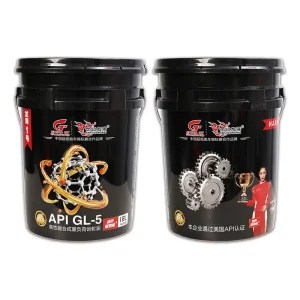
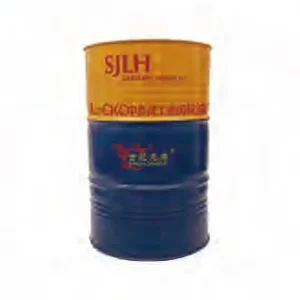
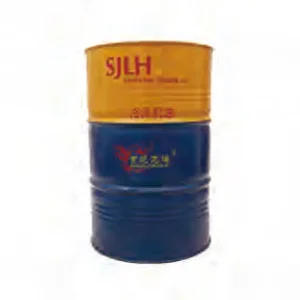
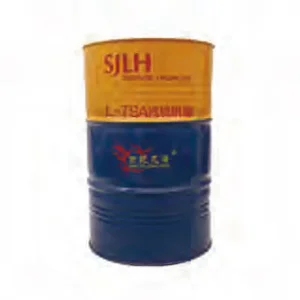
Engineered to withstand extreme shear loads, thermal degradation, and contamination in high-uptime environments.
Unraveling the macroeconomic trends, supply chain complexities, and high-performance demands shaping modern tribology.
The global industrial lubrication sector is undergoing a profound structural transition. No longer viewed as simple operational commodities, lubricants are now treated as critical, precision-engineered components of mechanical systems. Rapid industrialization in developing markets, combined with ultra-high efficiency targets in mature manufacturing corridors, has shifted the demand curve toward synthetic base stocks (Group III, IV, and V) and advanced multi-functional additive chemistries. Industries such as wind power generation, heavy metallurgy, precision robotics, and high-speed rail operate under operating stresses that render traditional mineral oils obsolete. The primary driver of this evolution is the minimization of parasitics: reducing internal friction and shear resistance directly correlates with reduced energy usage, lowered operating temperatures, and extended overhaul cycles.
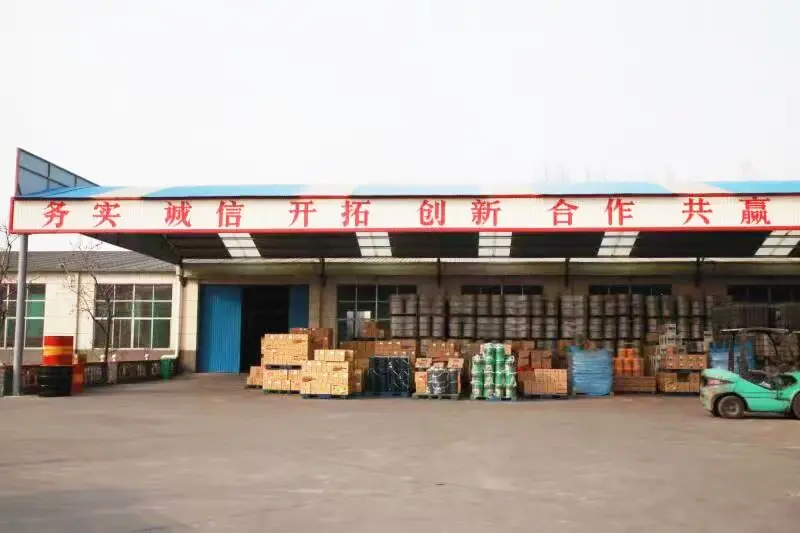
From an export perspective, the supply chain for industrial lubricants requires robust logistical infrastructure and strict quality controls. Exporters must comply with diverse regional certifications, including REACH compliance in Europe, TSCA in the United States, and varying national standards across Asia. Furthermore, modern logistics demand that finished lubricants retain chemical stability across extreme temperature fluctuations during maritime transit. As specialized formulation houses scale, there is a clear trend toward sourcing direct from integrated manufacturing facilities. These manufacturers combine base oil refining, additive synthesis, and precision blending within a single, quality-assured facility, eliminating contamination risks and reducing transport costs.
Formulations engineered to maintain viscosity profiles under sustained extreme pressures, preventing direct boundary contact between metal components.
Highly refined mineral and synthetic stocks paired with advanced primary and secondary antioxidants to stop deposit formation and oil thickening.
Adhering to strict international standards for toxicity, biodegradability, and minimal environmental impact, matching global ESG targets.
Charting the next era of industrial maintenance: from biosynthetics to automated, sensor-driven fluid monitoring.
Three primary trends are reshaping the industrial lubricants sector: sustainability, predictive maintenance, and synthetic optimization. Regulatory pressure and global corporate ESG (Environmental, Social, and Governance) targets are driving the adoption of bio-based lubricants. Synthesized from renewable lipids, these modern formulations deliver performance that rivals, and in some applications exceeds, petroleum-based oils. They offer high viscosity indexes and excellent natural lubricity while ensuring fast biodegradation in sensitive marine, agricultural, or forestry environments. This minimizes the long-term environmental liability associated with accidental leaks or spills.
Concurrently, the rise of Industry 4.0 has transformed lubrication management from a reactive or periodic schedule to a data-driven process. Real-time sensor suites integrated into critical gearboxes and circulation systems track changes in viscosity, moisture contamination, dielectric constant, and particulate counts. This data feeds directly into predictive maintenance software, warning operators of fluid degradation long before component failure occurs. Lubricant manufacturers are developing specialized formulations tailored for these sensor-monitored environments, ensuring the base oils and additive components do not interfere with high-frequency sensor readings.
Finally, extreme mechanical environments demand optimized synthetic formulations. Modern gearboxes are increasingly compact yet transmit higher torque densities, leading to elevated localized temperatures. Standard mineral oils oxidize rapidly under these conditions, causing varnish buildup that blocks oil passages and leads to catastrophic wear. Synthetic formulations built on Polyalphaolefins (PAO), Polyalkylene Glycols (PAG), and synthetic Esters offer superior thermal stability, low pour points, and high shear resistance, keeping machinery operating safely under extreme loads.
To meet global standards, modern industrial lubricants must balance high mechanical performance with environmental compliance. This requires navigating complex regulatory frameworks:
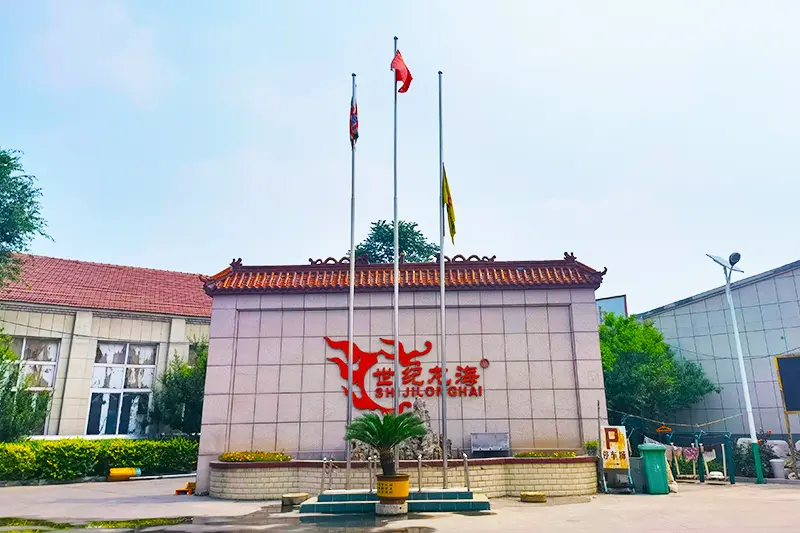
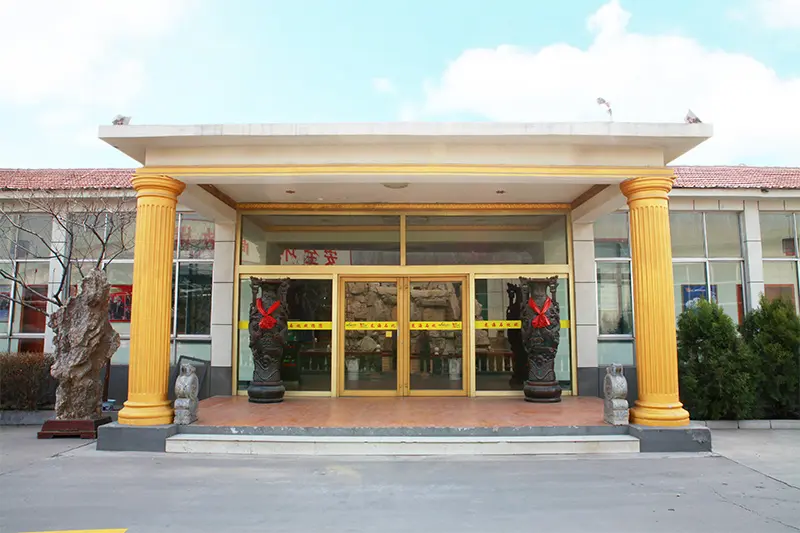
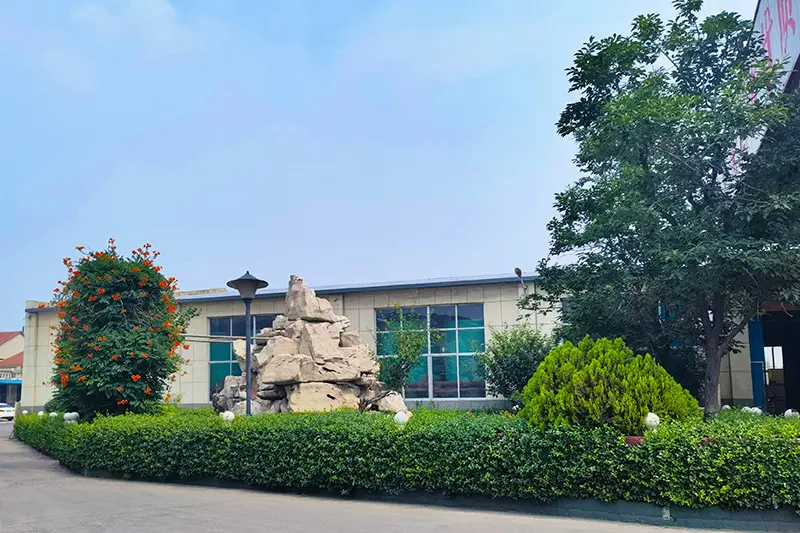
Established in 2009 and headquartered in Zibo, Shandong, Shandong Longhai Lubrication Technology Development Co., Ltd. is a high-tech enterprise integrating R&D, production, and sales.
Deeply involved in the lubricant industry for more than 15 years, our company has built a complete industrial chain system, committed to providing high-grade lubrication solutions for global industrial and transportation applications. As a reliable lubricant manufacturer, Longhai Technology owns the brand "Century Longhai" and coordinates strategically with the international British "A Ba" series.
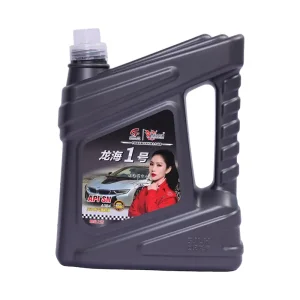
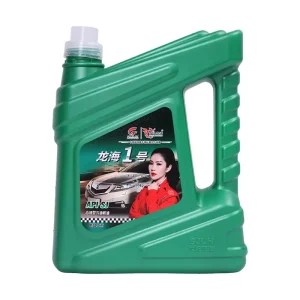
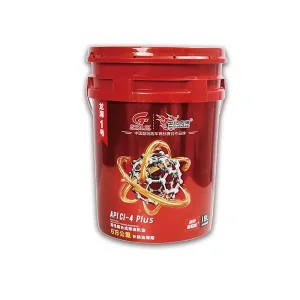
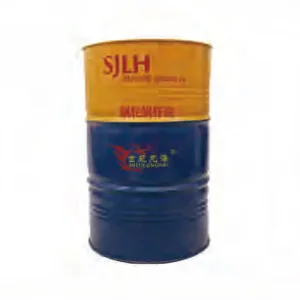
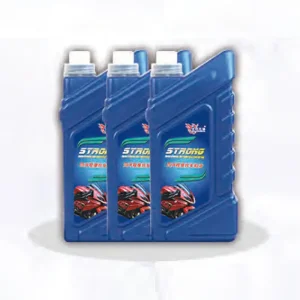
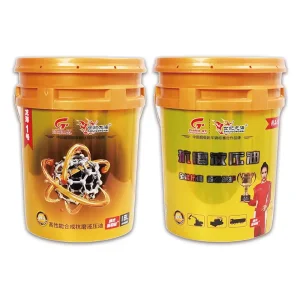
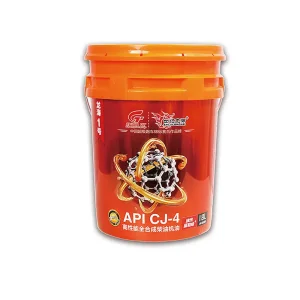
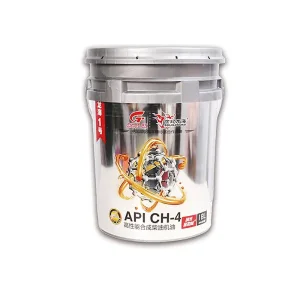
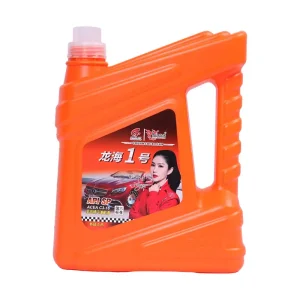
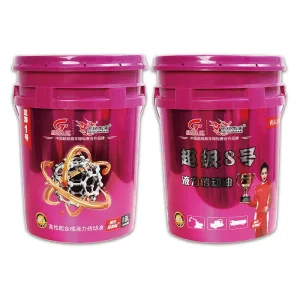
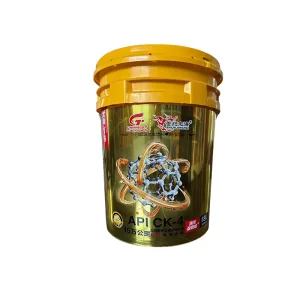
Our comprehensive product catalog covers diesel engine oil, gasoline engine oil, gear oil, hydraulic transmission oil, anti-wear hydraulic oil, special engine oil for engineering machinery, special oil for natural gas, full synthetic oil, automotive urea solutions, antifreeze, special engine oil for motorcycles, industrial oil, automatic transmission oil, and other specialized varieties. Our brand is insured by PICC China People's Insurance Company, ensuring peace of mind and quality assurance for our global partners.
How tailored lubricant formulations solve real-world engineering challenges in key heavy industry applications.
Hot strip rolling mills and continuous casting plants subject bearings and gearboxes to high heat, water contamination, and massive shock loads.
Lubricant Solution: High-viscosity industrial gear oils blended with sulfur-phosphorus extreme pressure (EP) packages prevent metal-to-metal contact, while specialized demulsifiers quickly separate water to prevent corrosion.
Located in remote regions with high temperature swings, wind turbine gearboxes require lubricants that can go years without oil changes.
Lubricant Solution: Full synthetic PAO lubricants with high viscosity indexes ensure cold-start fluid flow and resist shear-down, minimizing micro-pitting on gear teeth.
Marine thrusters and deck winches face salt-spray corrosion and need to meet strict Environmental Protection Agency (EPA) Vessel General Permit (VGP) rules.
Lubricant Solution: Biodegradable synthetic ester-based hydraulic and gear fluids deliver anti-wear protection while ensuring rapid breakdown if spilled in water.
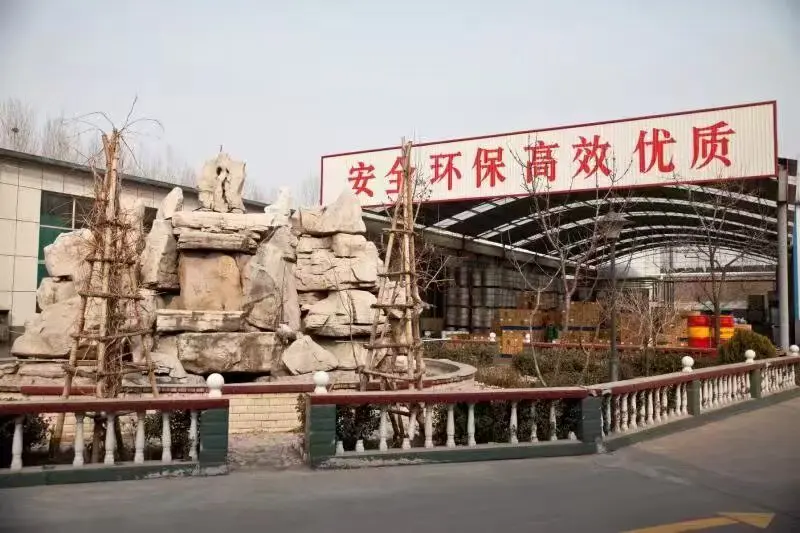
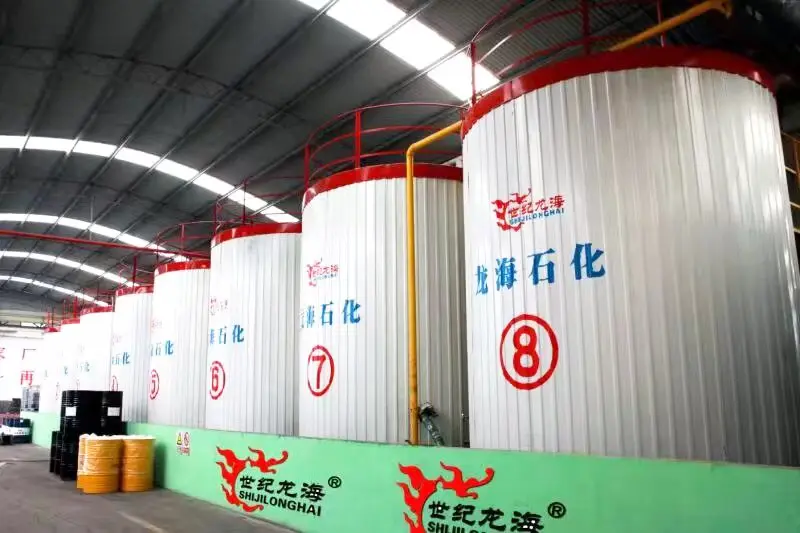
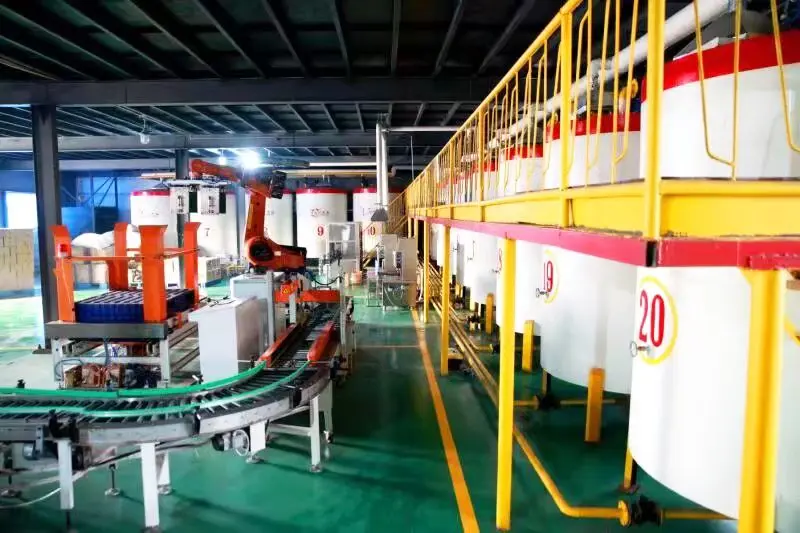
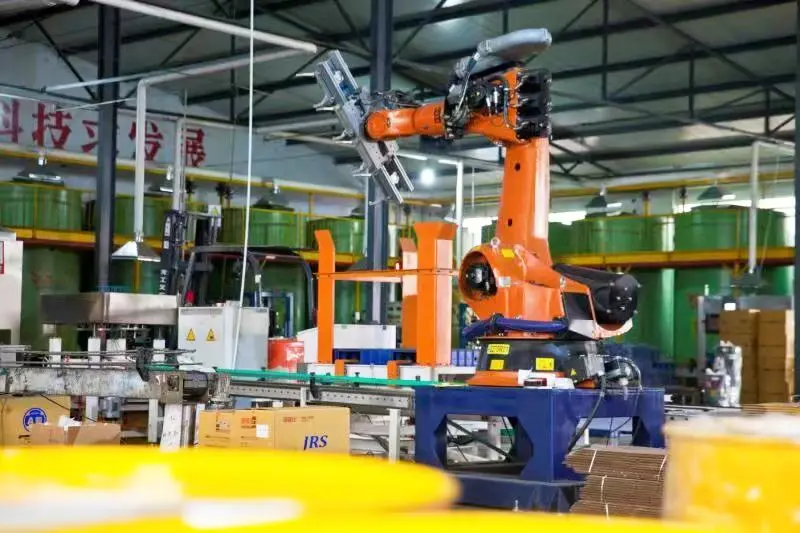
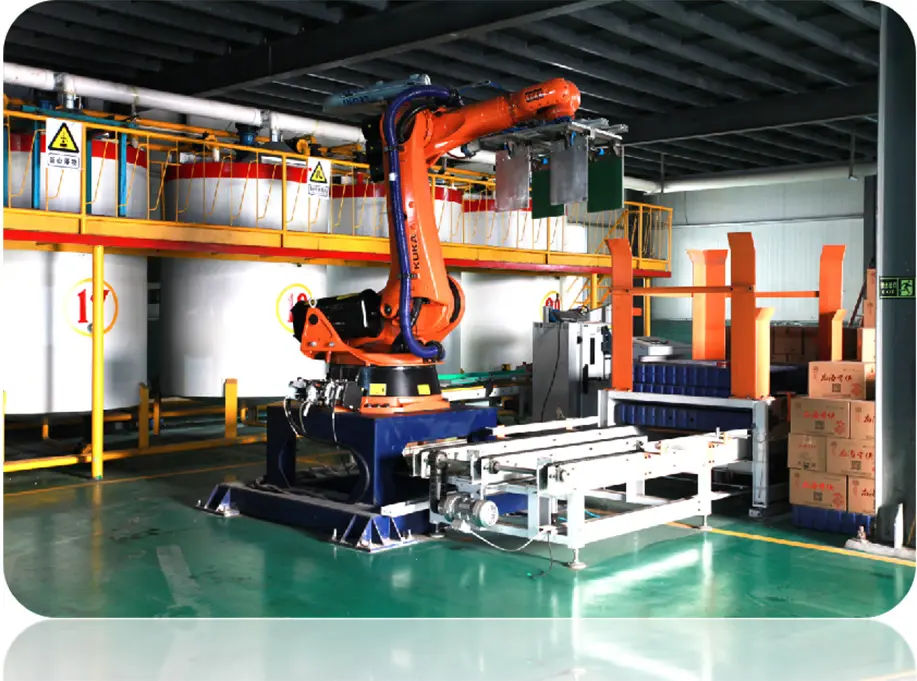
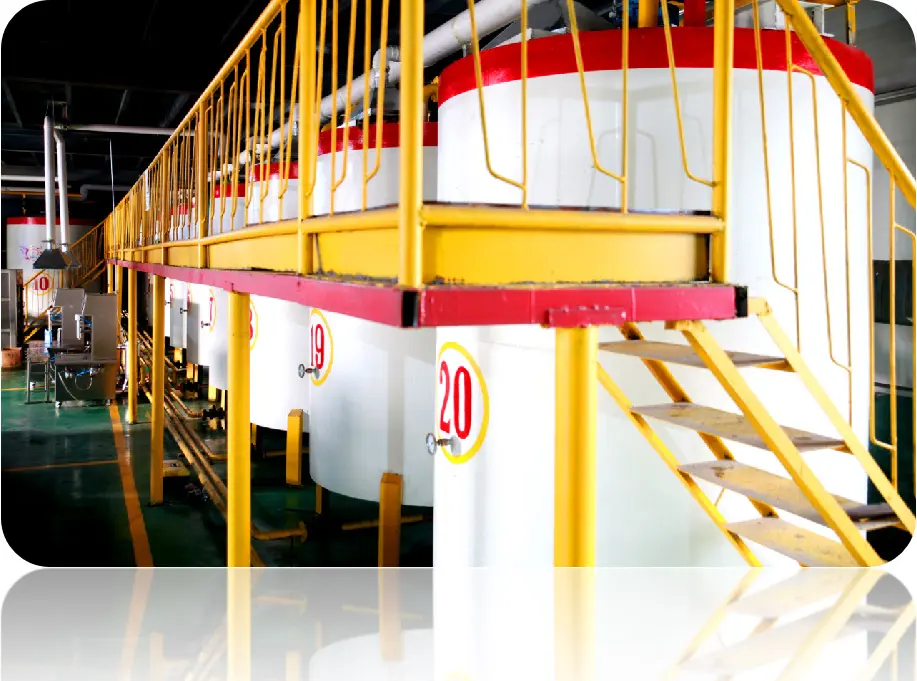
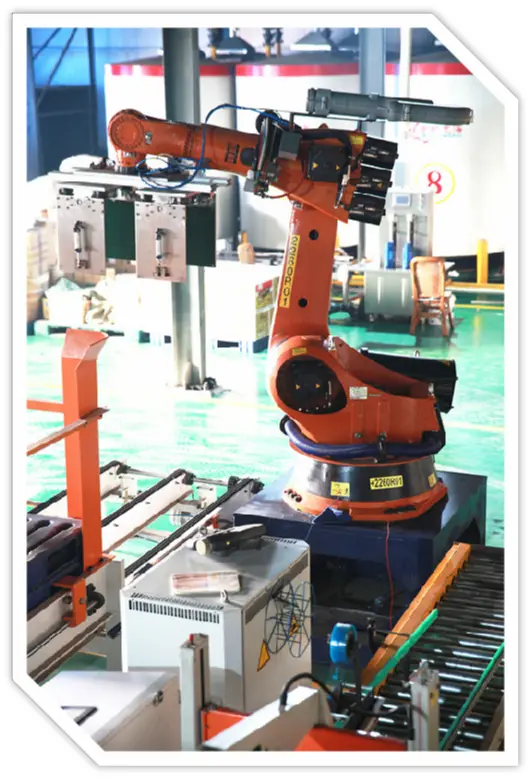
Our 131-acre manufacturing center combines advanced R&D with high-accuracy automated filling lines.
Longhai Technology prioritizes technical innovation. We invest over 5% of annual revenue back into R&D, partnering with major universities and engineering institutions to continuously improve our lubricant formulas and advance the industry.
Our Zibo manufacturing facility spans 131 acres and produces up to 200,000 tons of lubricants annually. The plant features automated blending lines and a dedicated quality-control lab, allowing us to customize formulations for our clients' unique operational demands.
Our automated filling equipment uses high-precision metering systems. This guarantees volumetric accuracy within 1‰ to 2‰, while boosting filling speeds by 20% to 35% to ensure fast, reliable delivery for volume wholesale orders.
Developing next-generation lubricants: from molecular design to customized additive packages.
To design modern high-performance lubricants, developers must optimize at the molecular level. Our technical team works at this level to create fluid profiles that withstand the shear, chemical, and thermal stresses found in modern machinery. Rather than relying on off-the-shelf formulas, we custom-engineer base oils and additive components to ensure optimal performance. This includes choosing base oil backbones with narrow molecular weight distributions to minimize shear-induced viscosity loss under high loads.
Our additive development focuses on synergy. Anti-wear additives, extreme-pressure components, friction modifiers, and rust inhibitors must work together without competing for surface bonding sites. For example, in our industrial gear and hydraulic fluids, we select specific sulfur-phosphorus compounds that form protective tribochemical films on steel surfaces only when triggered by localized friction heat. This target-activated wear protection preserves system efficiency without degrading the base oil over time.
We utilize high-viscosity-index Group III+ and PAO base stocks to provide robust hydrodynamic oil films across a wide range of operating temperatures.
Our additive packages combine shear-stable viscosity index improvers with ashless dispersants to keep contaminant particles suspended and prevent oil-way blockages.
Our anti-wear additives chemically react at microscopic friction points, creating a sacrificial protective barrier that prevents scuffing under heavy shock loads.
From initial formula development to packaging design and quality compliance, we offer turnkey contract manufacturing.
Tailoring synthetic and semi-synthetic formulas to match specific equipment requirements, climate profiles, or API/ACEA specifications.
Supporting both small trial runs and full-scale commercial production across automotive, transport, and heavy industrial oils.
Ensuring global quality standards through ISO 9001 and IATF 16949 processes, backed by certified lab analysis reports.
Providing structural packaging design, custom labeling, and complete regulatory documentation to build your brand identity.
We review your target market requirements, performance criteria, and regulatory targets.
Our chemists select base oils and additive components to match your performance specs.
We conduct laboratory analysis and physical testing to verify fluid characteristics.
We blend, package, and label the finished product using our automated filling lines.
We handle export compliance, shipping logistics, and ongoing technical support.
Common questions regarding industrial lubricants, custom formulations, and international logistics.
Advanced fluids formulated for high performance in transport, machinery transmission, and industrial cooling circuits.
 Longhai