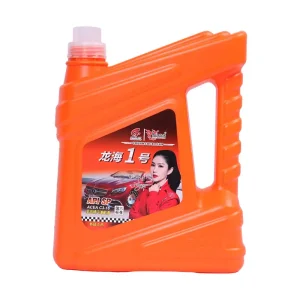
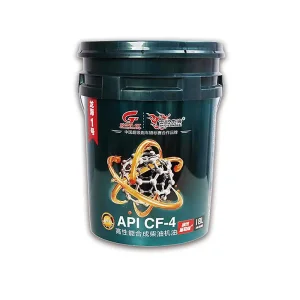
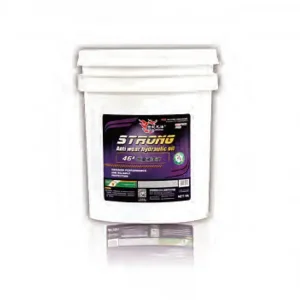
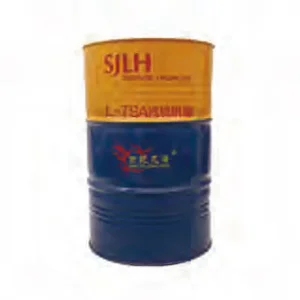
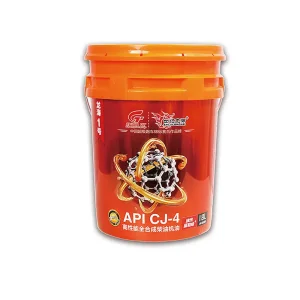
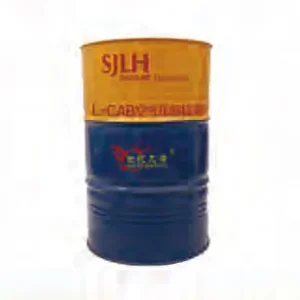
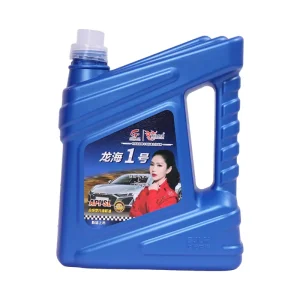
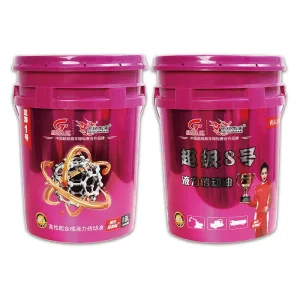
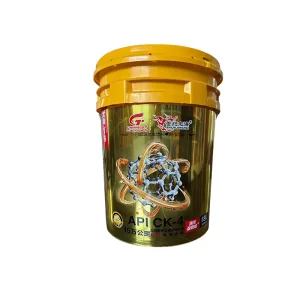
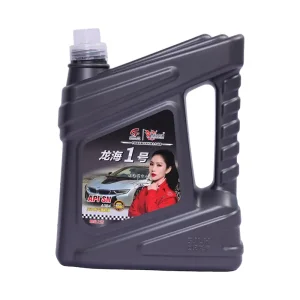
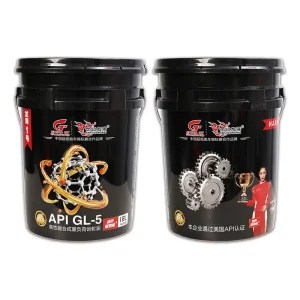
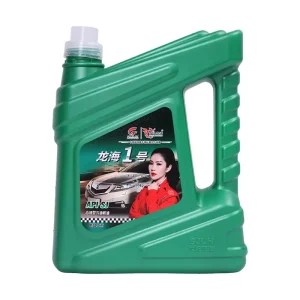
Premium synthetic formulations engineered for extreme shear-stability, high load-carrying capacity, and prolonged drain intervals.
Analyzing chemical pathways, global logistics demands, OEM formulation protocols, and emission-compliance engineering.
In the modern commercial transportation and heavy machinery industries, the internal combustion engine remains the workhorse of global trade. From heavy-duty diesel engines powering Class 8 trucks over transcontinental highways to stationary gas turbines generating regional electrical power, the physical interfaces within these machines operate under extreme shear stress, high temperatures, and chemical degradation vectors. Selecting a wholesale motor oil manufacturer is not merely an exercise in bulk purchasing; it is a critical strategy to mitigate asset downtime, reduce Total Cost of Ownership (TCO), and fulfill strict regulatory standards.
This whitepaper analyzes the operational paradigms of heavy-duty lubrication. We detail the physical and chemical requirements that high-performance heavy-duty motor oils must meet, including soot dispersancy, base number (BN) retention, high-temperature high-shear (HTHS) viscosity stability, and compatibility with aftertreatment devices such as Diesel Particulate Filters (DPF) and Selective Catalytic Reduction (SCR) units. In addition, we review the industrial manufacturing infrastructure, quality control pipelines, and logistics networks required to supply these lubricants globally.
Heavy-duty motor oils are formulated from base oils combined with advanced additive systems. The American Petroleum Institute (API) divides base oils into five groups based on sulfur content, saturates level, and viscosity index. Group I and II base oils are primarily mineral-derived, while Group III represents hydroisomerized mineral oils, and Group IV consists of polyalphaolefins (PAO) and other synthetic molecules.
For heavy-duty diesel engines (HDDE), synthetic and semi-synthetic formulations (API Group II, Group III, and Group IV blends) offer superior performance compared to traditional mineral oils. Under high-load operation, the oil film inside the engine faces intense shear stress. Shear-stable viscosity index improvers (VII) prevent the polymer chains from breaking down permanently, keeping the oil viscosity within its specified grade (such as 15W-40, 10W-30, or 5W-30) throughout the drain interval.
| API Specification | Introduction Year | Soot Dispersancy & Wear Control | Compatible Aftertreatment Systems | Key Applications |
|---|---|---|---|---|
| API CK-4 | 2016 | Extreme Protection, high oxidation stability, improved shear resistance. | DPF, SCR, DOC, and EGR (low-sulfur diesel limits). | Modern high-speed, four-stroke engines operating under severe loads. |
| API CJ-4 | 2006 | Excellent soot handling and wear protection. Limits phosphorus/sulfur. | DPF, SCR, EGR. Limit on sulfated ash (≤ 1.0%). | Fleets running on low-sulfur or ultra-low sulfur fuels. |
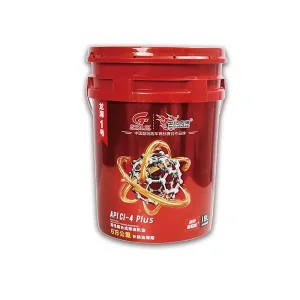
| API CI-4 PLUS | 2004 | Enhanced soot-induced viscosity control and shear stability. | EGR (Exhaust Gas Recirculation) systems. | Off-highway mining, heavy construction, and long-haul transport. |
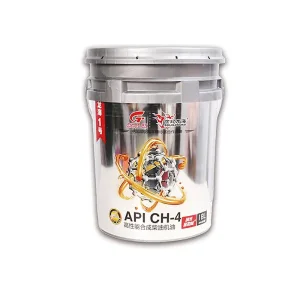
| API CH-4 | 1998 | Good protection against high-temperature piston deposits. | Early EGR designs, compatible with higher sulfur fuels. | Older fleet logistics operating in regions with variable fuel quality. |
| API CF-4 | 1990 | Basic piston deposit control and anti-wear protection. | Non-EGR engines (historical setups). | Stationary generators, agricultural tractors, older equipment. |
Base oil alone cannot survive the challenging chemical environment inside a heavy-duty engine. Additives constitute up to 25% of the motor oil volume and include the following key chemistry elements:
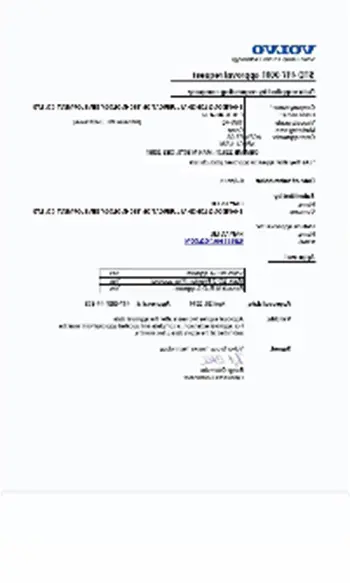
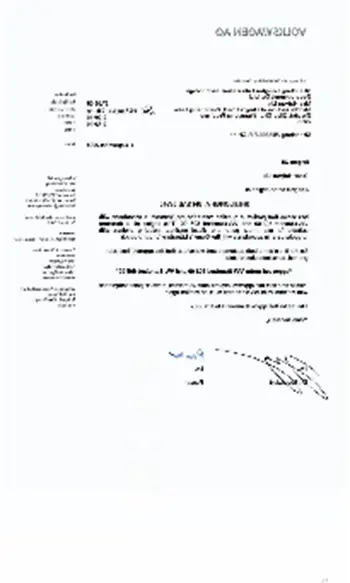
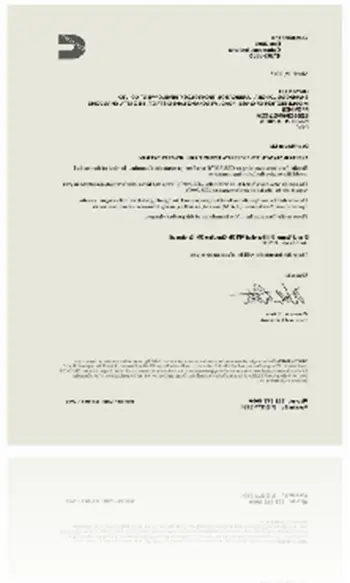
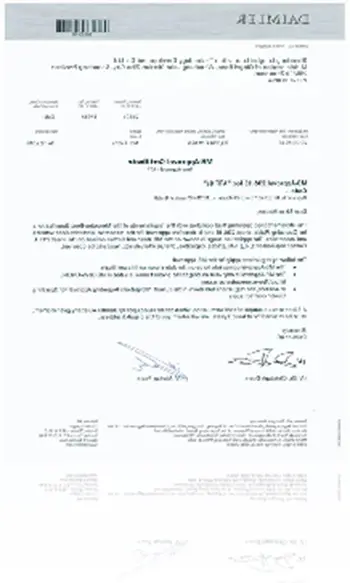
Beyond standard API categories, heavy-duty engine manufacturers require lubricants to pass rigorous OEM tests. The Mercedes-Benz Sheet 228.5/228.51, Volvo VDS-4.5, Cummins CES 20086, and Detroit Diesel DFS 93K222 are key global standards. These tests evaluate engine wear, bore polishing, piston cleanliness, and oil aeration under severe conditions.
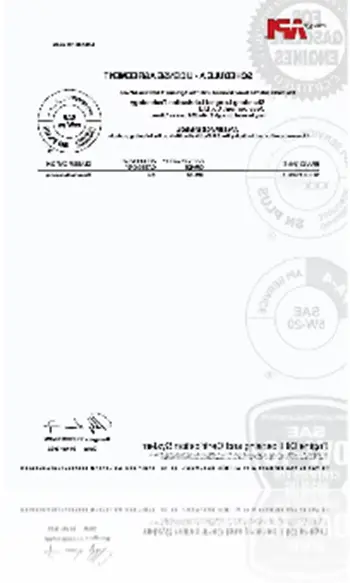
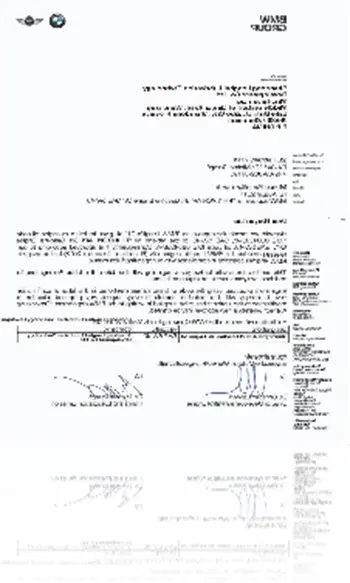
Selecting a certified manufacturer like Shandong Longhai Lubrication Technology Development Co., Ltd. ensures that lubricants are blended to meet these specific OEM requirements. Longhai's products carry certifications such as the Mercedes-Benz automatic transmission approval, laying a firm foundation for product consistency and quality.
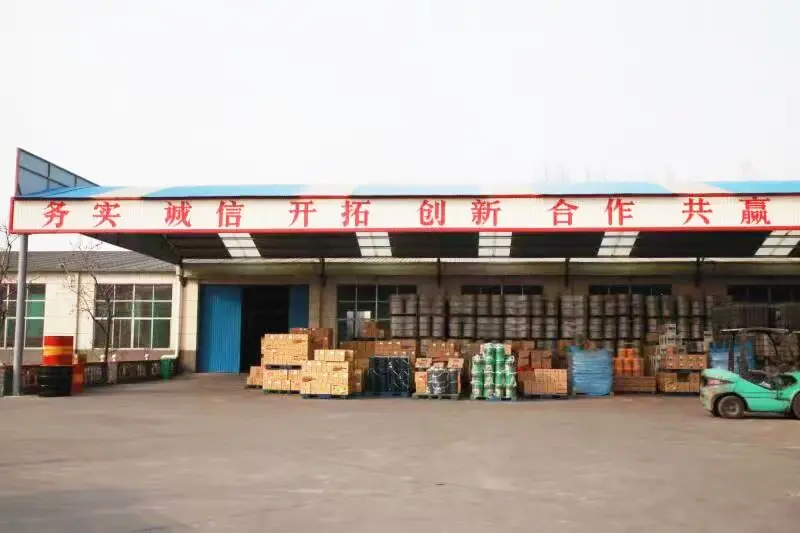
Our infrastructure delivers stable output and quality assurance across global commercial markets.
Equipped with intelligent production lines and precision laboratories to satisfy the customized requirements of different industrial clients and OEM/ODM private brands.
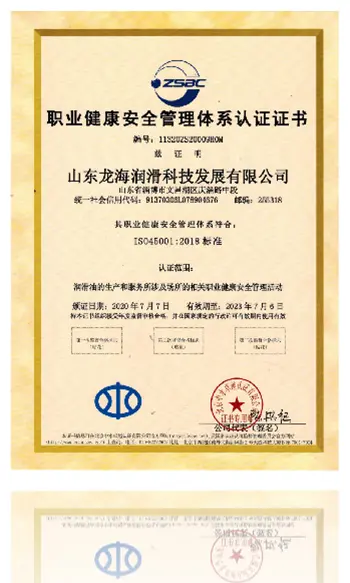
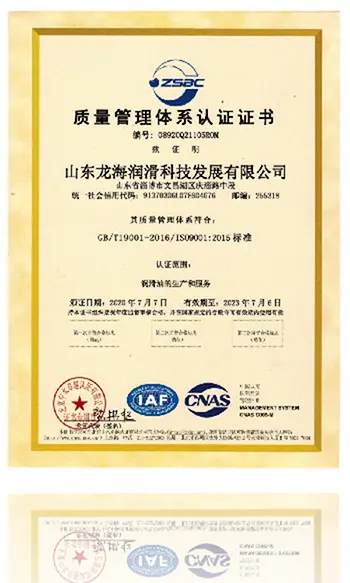
The factory has achieved ISO-9001-2015 quality management system certification, ISO-14001 environmental management certification, and ISO-18001/45001 occupational health certification.
Products are character, quality is life. We prioritize building reliable partner networks and provide transparent, practical services for long-term global growth.
Dare to explore, innovate continuously, survive by quality, and promote development by efficiency. Backed by PICC China People's Insurance Company quality insurance.
Advanced automatic metering filling lines improve filling speeds by 20% to 35% while maintaining strict accuracy of 1‰–2‰ to prevent volume variation.
Investing over 5% of annual revenue back into scientific research and collaborating with universities to continually optimize synthetic additive technology.
An integrated service pathway covering chemical development, custom packaging design, and global logistics delivery.
Fully synthetic and semi-synthetic lubricant formulations tailored to specific equipment requirements, climatic conditions, or regional market positioning to meet international standards such as API and ACEA.
Supports small-scale trial production up to large-scale global shipping volumes. Covers diesel engine oil, gasoline engine oil, gear oil, hydraulic oil, air compressor oil, and industrial specialties.
Certified by ISO 9001, IATF 16949, and Mercedes-Benz approval. We provide third-party test reports to verify exact kinematic viscosity, flash points, shear-stability, and Pour Points.
Complete packaging customization, industrial container design, label printing, and technical documentation support to help establish a premium brand presence.
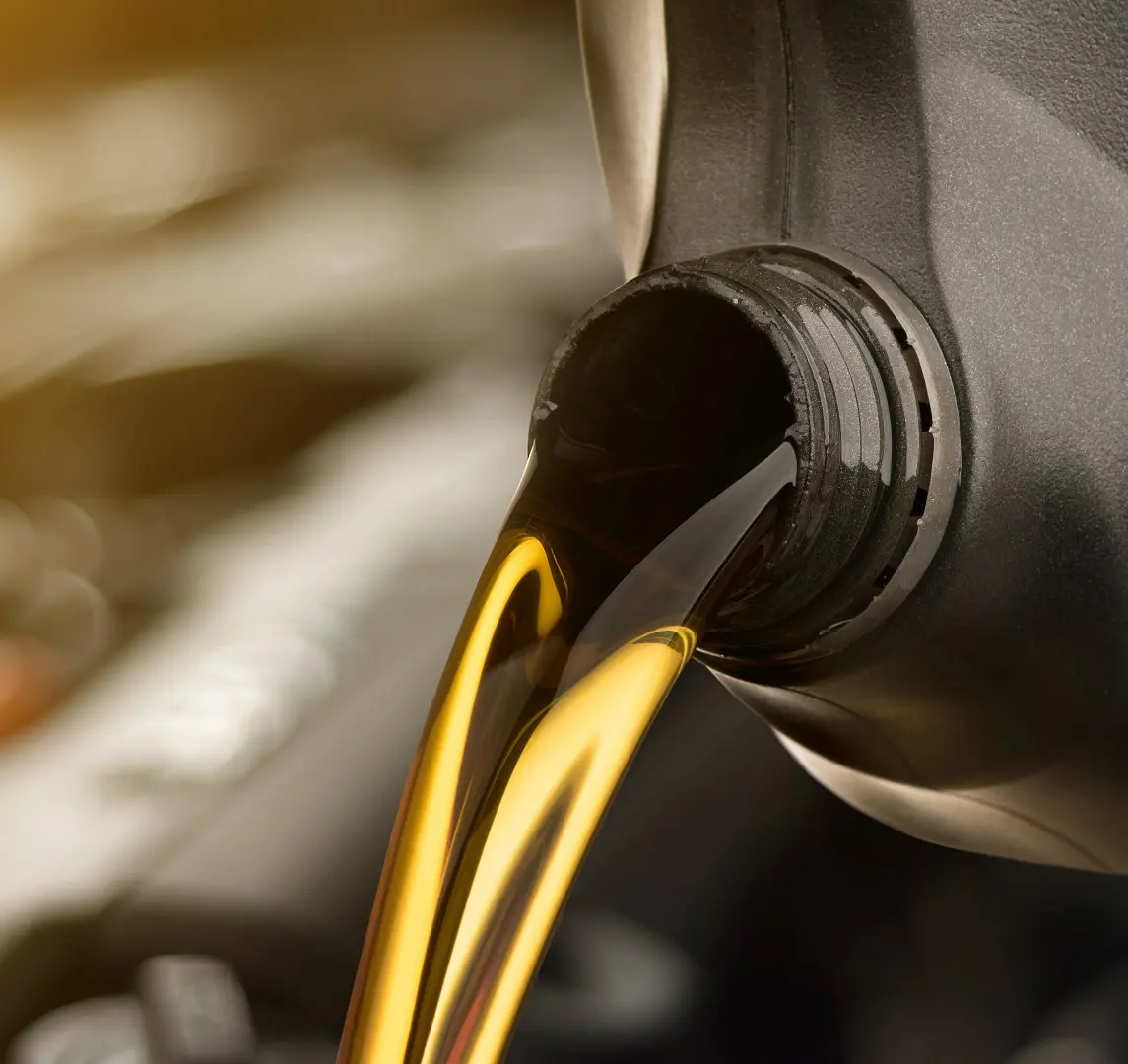
For international fleet operators, purchasing decisions require evaluating physical chemical performance alongside cost factors. Total Cost of Ownership (TCO) is a key metric. Engine wear and subsequent failure represents a major direct cost, but indirect costs—such as unscheduled maintenance downtime and high fuel consumption—are often larger.
Selecting high-performance lubricants that meet modern API CK-4/FA-4 specifications helps mitigate these costs. These low-viscosity, high-shear-stable oils reduce internal engine friction, which can improve fuel economy by 0.5% to 2% compared to standard 15W-40 oils. Over a fleet of hundreds of long-haul trucks, this fuel savings offsets the initial procurement premium of synthetic formulations.
Furthermore, advanced soot dispersancy and oxidation protection allow for extended drain intervals (ODI). Extending oil change intervals from 30,000 kilometers to 60,000 or 90,000 kilometers reduces waste oil disposal costs, filters, labor requirements, and downtime, directly supporting fleet profitability.
The commercial vehicle industry is transitioning toward decarbonization, driven by greenhouse gas emission limits (such as Euro VI, China VI, and EPA Greenhouse Gas Phase 2 regulations). This transition is steering heavy-duty engine oil formulation in several directions:
To ensure reliable product customization, Shandong Longhai Lubrication Technology follows a structured production and shipping workflow:
1. Demand Analysis

2. Formula Development
3. Sample Testing
4. Production Delivery
5. After-Sales Support
Visualizing our 131-acre high-tech industrial production center and laboratory verification facilities.
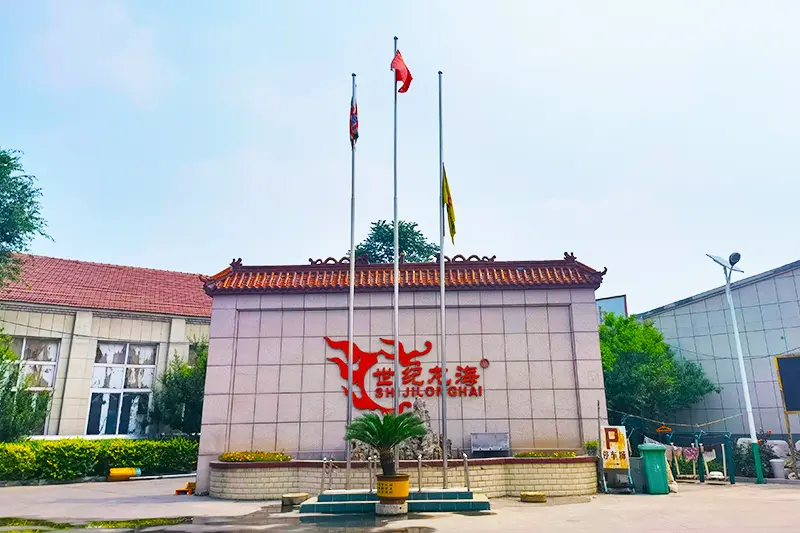
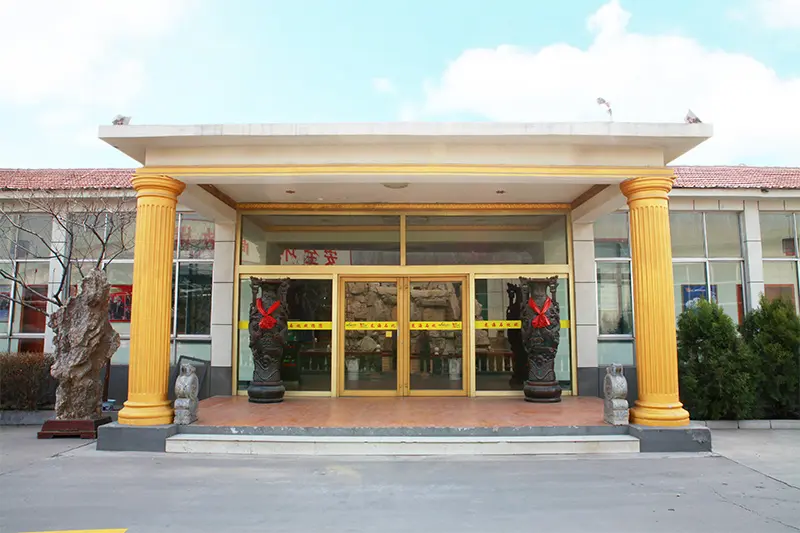
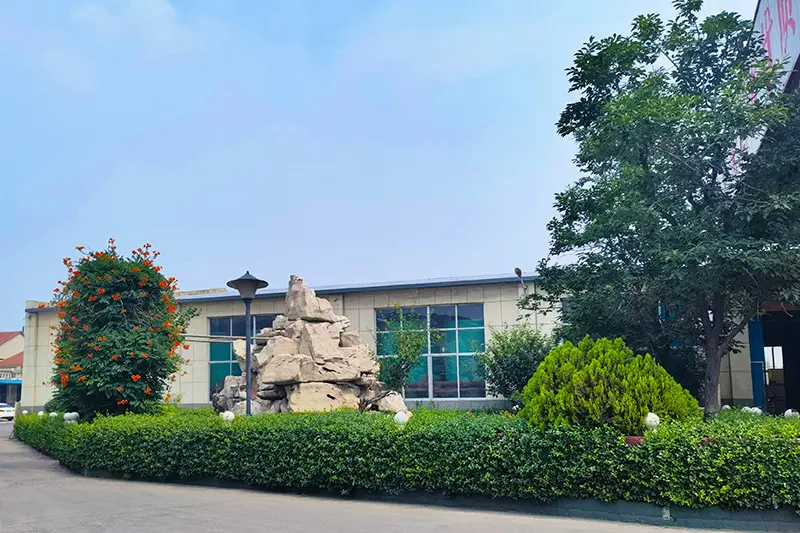
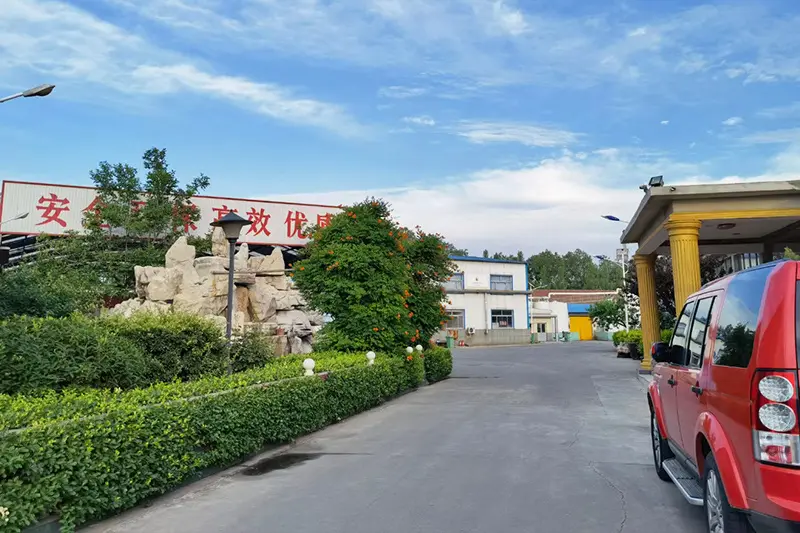
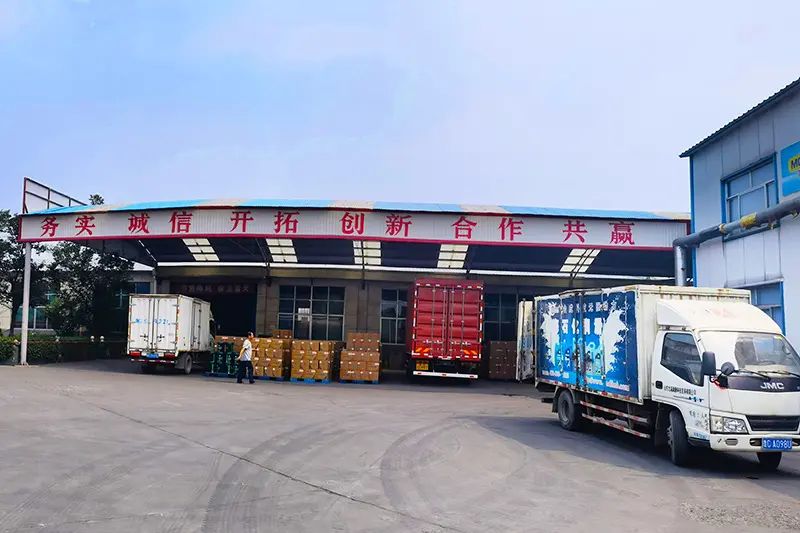
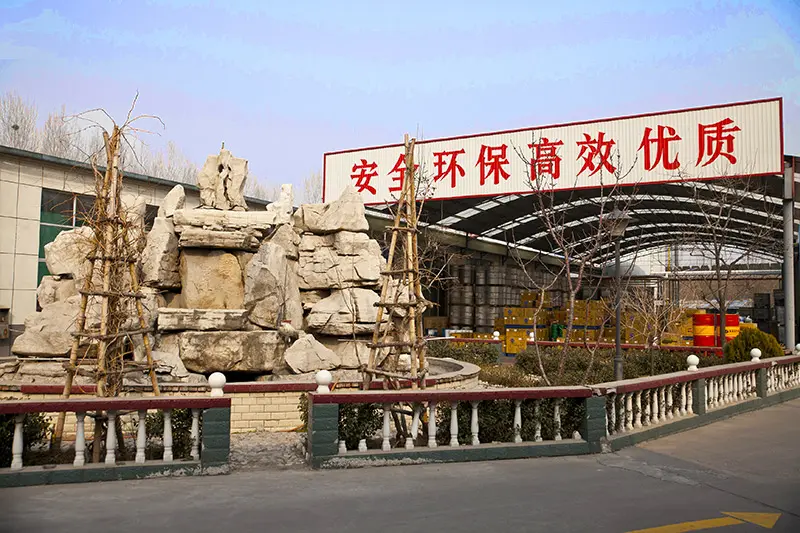
Real-world application scenes demonstrating our commercial heavy-duty lubrication solutions.
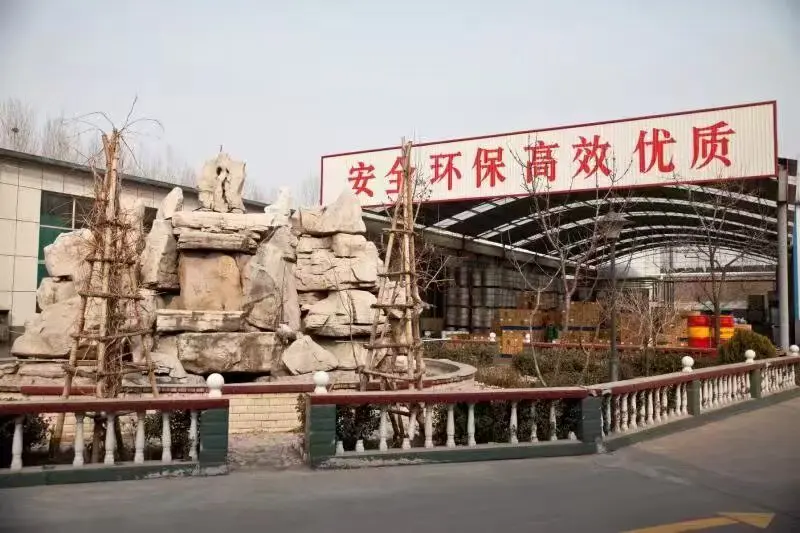
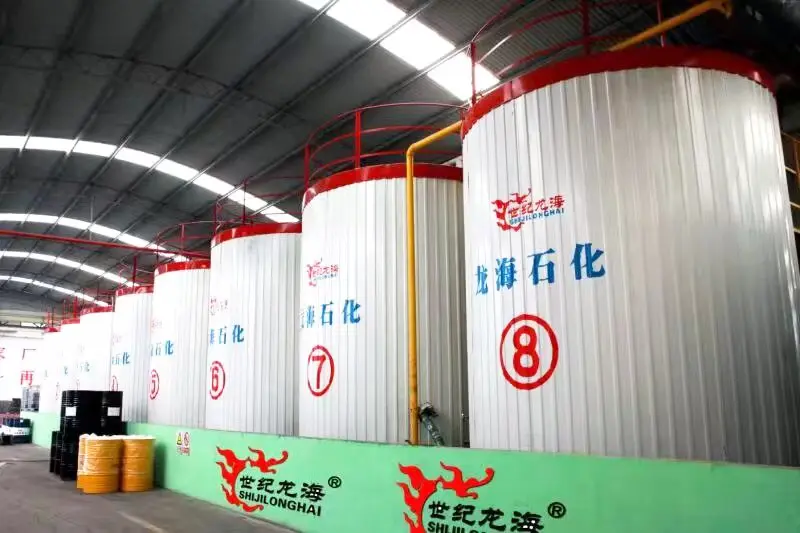
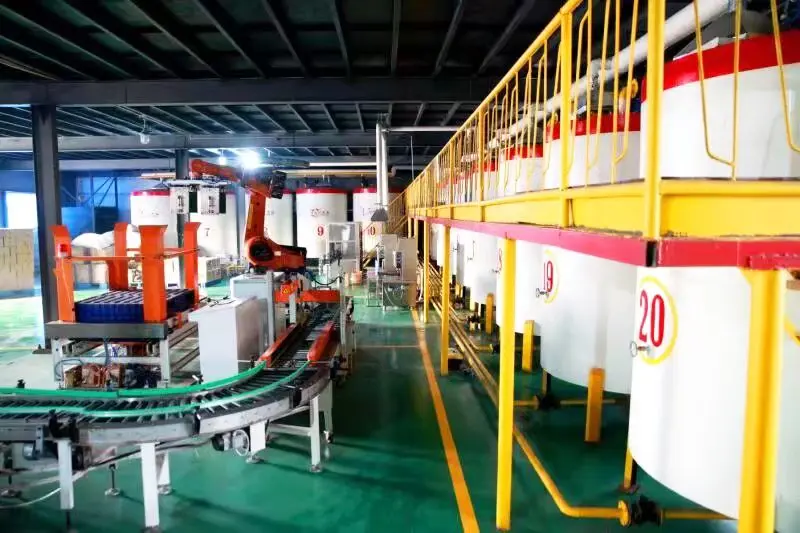
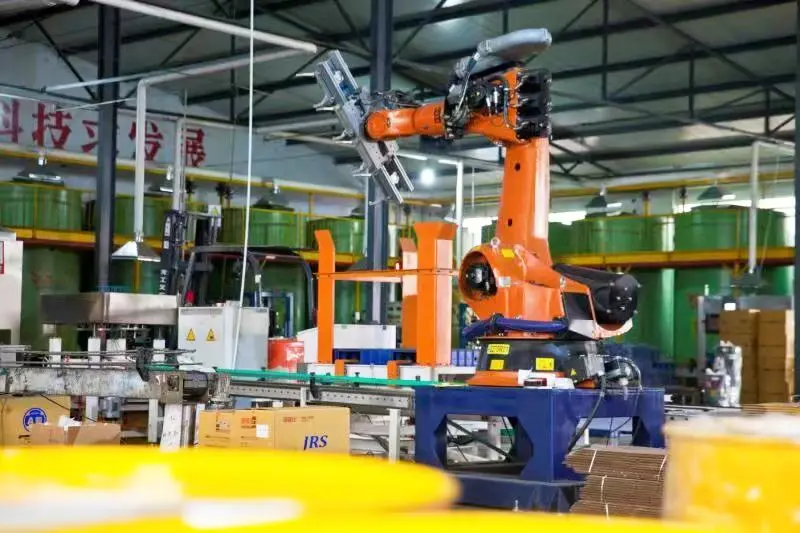
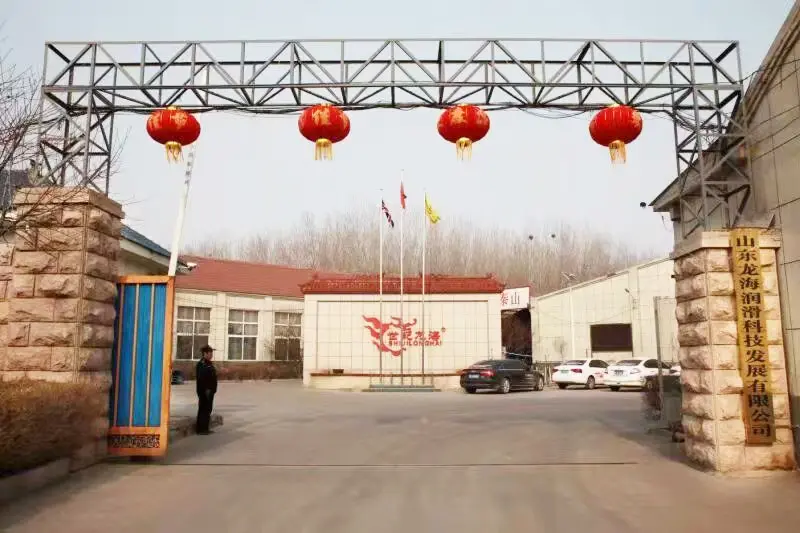
Our quality verification processes and international approvals ensure consistent performance.
In-depth responses to technical, regulatory, and supply-chain inquiries from fleet procurement officers and distributors.
Premium synthetic formulations engineered for extreme shear-stability, high load-carrying capacity, and prolonged drain intervals.
 Longhai