The global heavy-duty transportation and industrial sector stands on the cusp of an ecological and operational transition. Environmental mandates, including Euro VI, EPA Standards, and national carbon reduction frameworks, have forced engine OEMs to develop powerplants with tighter clearances, higher operating pressures, and integrated exhaust treatment systems. Consequently, the demands on heavy-duty motor oils (HDMO) have shifted from simple wear protection to sophisticated tribological fluid engineering.
In the modern era of freight logistics, fleet management, and deep-pit mining, fluid reliability directly translates to bottom-line profitability. Modern formulations must prevent oxidative thickening, maintain shear stability under astronomical mechanical loads, and guarantee continuous fluid motion over extended drain intervals. As global logistics networks expand, the wholesale sourcing of premium lubricants requires partnership with manufacturers capable of meeting custom viscosities, high-volume production, and rigorous international quality standards.
Market projections indicate that the requirement for high-performance synthetic lubricants is growing exponentially. Rapid urban construction, massive logistics corridors across Eurasia and the Americas, and heavy machinery deployments in remote resource extractions dictate the reliance on robust base oils (specifically Group III and Group IV synthetics).
Industrial sectors are moving away from traditional mineral-based products due to their inability to withstand thermal degradation in supercharged turbochargers and high-pressure hydraulic pumps. Companies worldwide now demand advanced formulations that prevent the accumulation of soot and deposit build-up, reducing machine downtime and lowering the Total Cost of Ownership (TCO).
To address these extreme challenges, lubricant formulation engineering has evolved along key technical axes:
| API Specification | Key Target Requirements | Performance Advantages |
|---|---|---|
| API SP (Petrol) | Engine protection against low-speed pre-ignition (LSPI), chain wear control, high-temperature oxidation. | Optimized fuel economy, prevents premature piston damage in modern TGDI engines. |
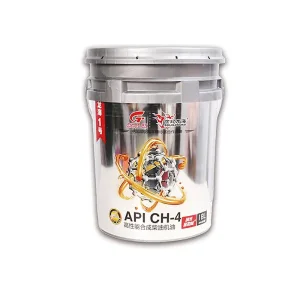
| API CK-4 | Advanced wear protection, oxidation control, shear stability, and resistance to aeration. | Extends oil drain intervals, remains stable in high-heat environments. Retrocompatible with older engines. |
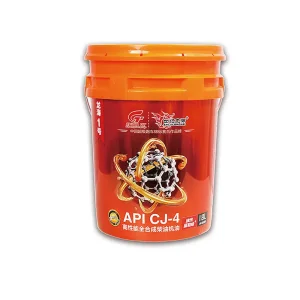
| API CJ-4 | Soot control, high-temperature deposit prevention, exhaust aftertreatment compatibility. | Limits catalyst poisoning and filter plugging in medium to heavy duty configurations. |
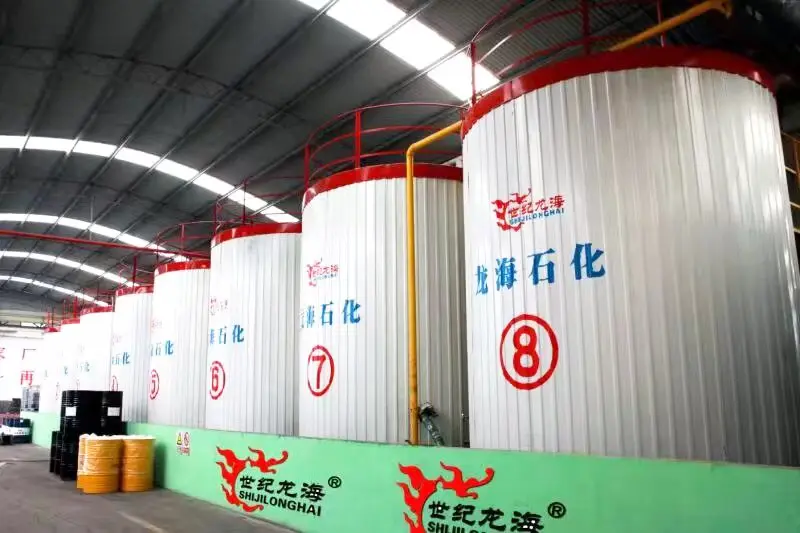
Longhai Technology invests over 5% of annual revenue into structural tribological R&D, collaborating with leading research institutions to continuously pioneer low-friction lubrication breakthroughs.
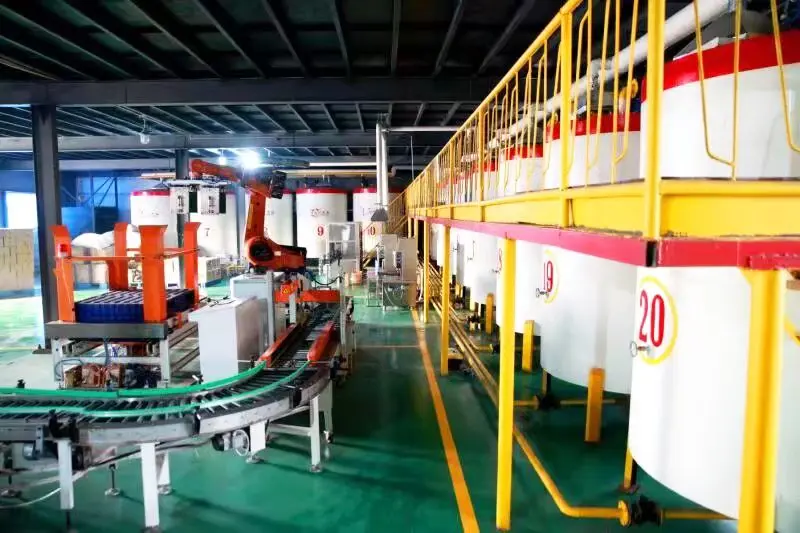
Utilizing high-precision metering systems, our automated filling lines guarantee a volume accuracy tolerance of 1‰-2‰, whilst boosting production speed by 20%-35% compared to standard configurations.
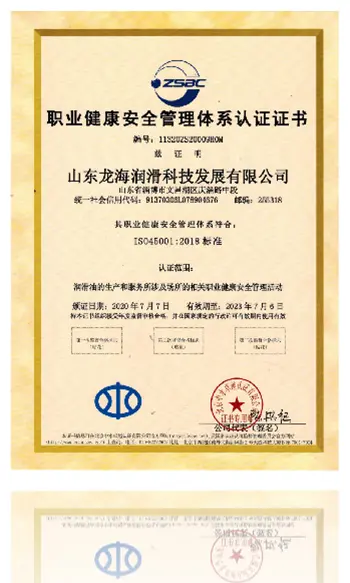
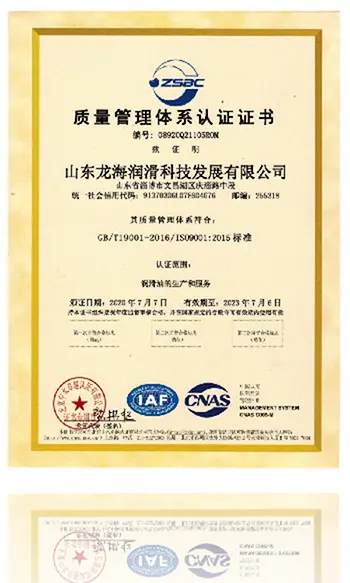
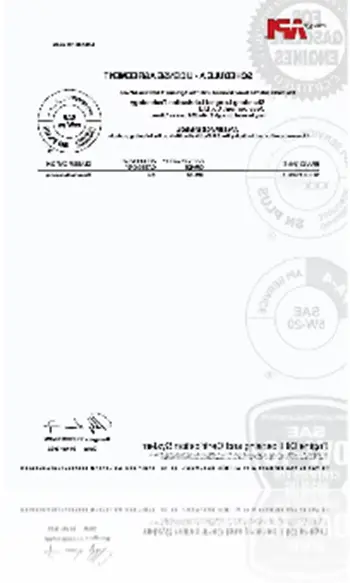
We strictly comply with international production systems, having attained ISO 9001:2015, ISO 14001, and ISO 18001 certifications. Our products boast Mercedes-Benz approvals and full quality backing from PICC.
Every commercial application has distinctive operation profiles. Environmental factors, duty cycle, regional fuel quality, and regional regulatory compliance determine the exact chemical blueprint of your engine oil. Longhai Technology provides comprehensive OEM and ODM support, translating requirements into stable, high-performance fluid packages.
Custom Formulation Matrix: Fully synthetic, semi-synthetic, and premium mineral oil configurations tailored to match viscosity ratings (SAE 0W-20 through 20W-50) and target performance classifications.
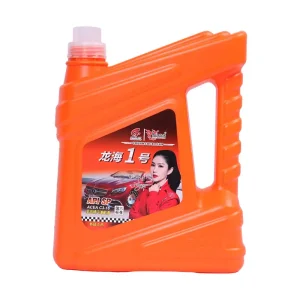
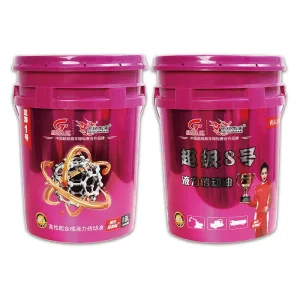
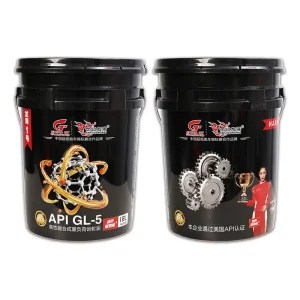
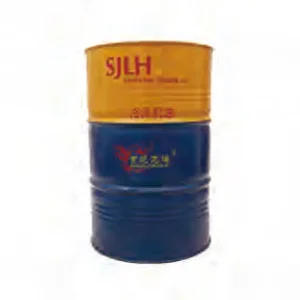
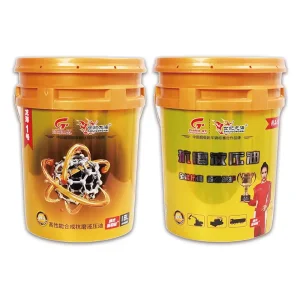
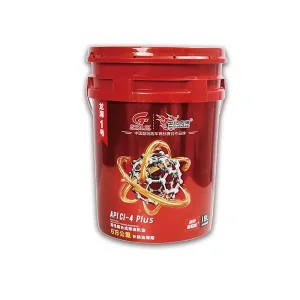
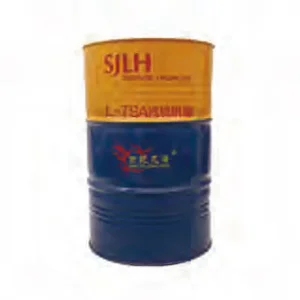
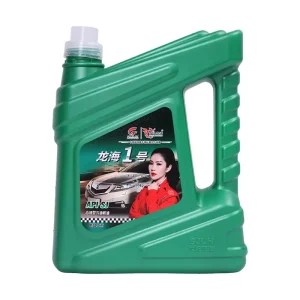
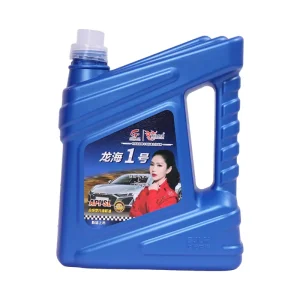
Package Customization: Offering structural flexibility across packaging volumes from 1-liter consumer packaging to industrial 200-liter drums and large bulk intermediate bulk containers (IBC).
Demand Analysis

Formula Development
Sample Testing
Production Delivery
After-Sales Support
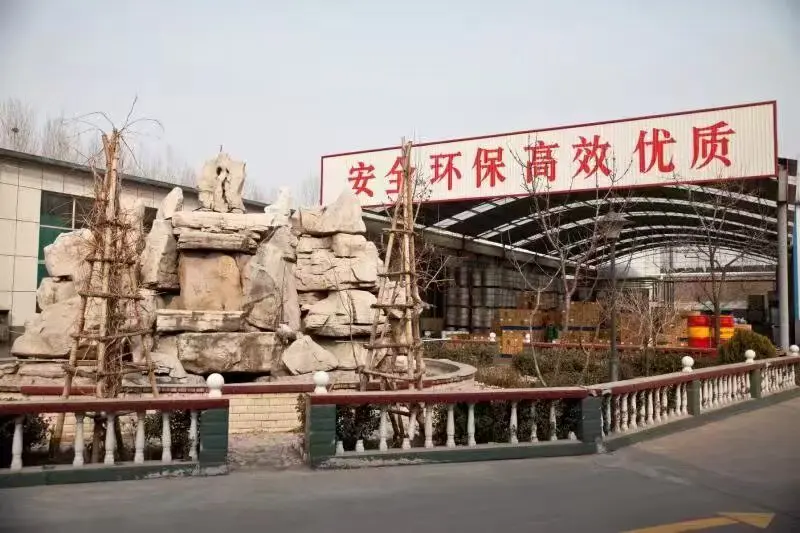
In addition to our corporate ISO systems, our plant features active, high-resolution laboratories to inspect physical and chemical metrics for every production run, including viscosity at 40°C/100°C, Flash Point, Pour Point, CCS (Cold Cranking Simulator), and elemental concentration via optical emission spectrometry.
This allows us to maintain the strict consistency required by global partners operating in extreme mining environments, long-haul trucking operations, and high-precision marine transmissions.
 Longhai