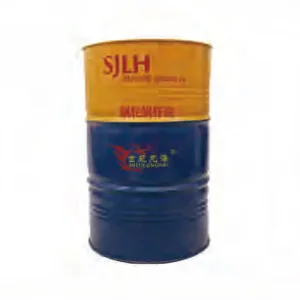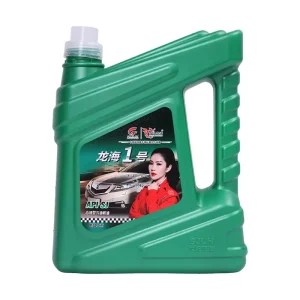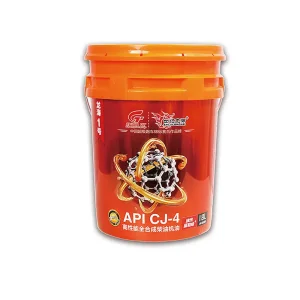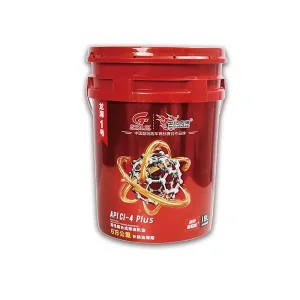
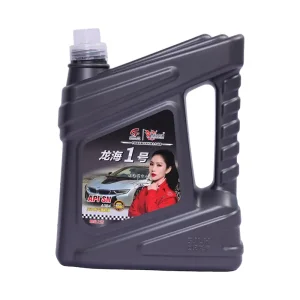
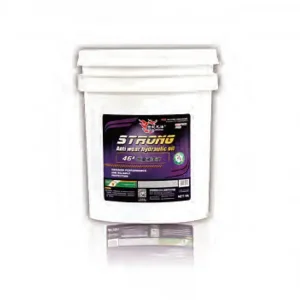
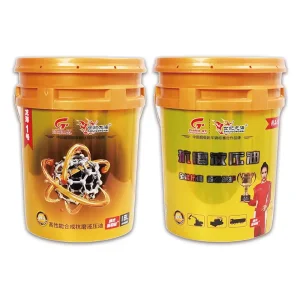
In modern industrial facilities, the rotary air compressor serves as the mechanical heart, powering critical pneumatic operations. The performance, lifespan, and operating efficiency of these machines are inextricably linked to the quality of the lubricants applied. Superior rotary compressor oils do not merely lubricate; they act as heat transfer fluids, sealants for the rotor profiles, and chemical barriers against corrosion and oxidation.
Understanding the molecular properties of these specialized lubricants is crucial for procurement managers. Standard mineral formulations are often insufficient under the heavy thermal stresses and continuous cycles of modern manufacturing. Selecting the correct synthetic or semi-synthetic base oil chemistry prevents varnish deposition, carbon buildup, and costly downstream system downtime.
At Shandong Longhai Lubrication Technology Development Co., Ltd., we build on 15+ years of specialized lubricant development to deliver rotary compressor oils that withstand these harsh conditions, lowering maintenance budgets and boosting equipment productivity.
The industry is transitioning from Group II hydro-treated oils to polyalphaolefins (PAO), polyalkylene glycols (PAG), and custom synthetic ester formulations. These compounds possess exceptional viscosity indexes, superior thermal stability, and low volatility, maintaining their shear strength and sealing abilities at temperatures exceeding 100°C.
Environmental standards increasingly demand readily biodegradable lubricants. Future formulations incorporate saturated and unsaturated synthetic esters that decompose rapidly in the event of an accidental leak, meeting stringent regulations such as the EU Ecolabel and US EPA VGP requirements without sacrificing anti-wear protection.
Modern lubricants are engineered to align with predictive maintenance sensors. By monitoring real-time viscosity shift, oxidation levels, and water content via micro-sensors placed directly in the oil reservoir, plants can extend service intervals up to 8,000+ hours while preventing unexpected component wear.
Different industrial applications subject rotary air compressors to unique working hazards. Shandong Longhai designs tailored fluid strategies to mitigate specific sector risks.
| Industry Vertical | Critical Operational Challenge | Lubricant Technology Solution | Primary Benefit |
|---|---|---|---|
| Power Generation | High running temperatures, continuous peak output, and electrostatic varnish risks. | High-demulsibility synthetic PAO formulations with advanced antioxidant packs. | Eliminates valve sticking; extends fluid life up to 8,000 operational hours. |
| Heavy Manufacturing & Steel | Fine iron dust, high ambient particulate contamination, and high mechanical loads. | Heavy-duty anti-wear additives containing non-reactive zinc compounds. | Prevents abrasive wear on rotor lobes, protecting expensive air-ends. |
| Pharmaceuticals & Food Processing | Risk of trace contact with end products, requiring non-toxic ingredients. | NSF H1 registered, odor-free, pure synthetic food-grade compressor oil. | Full compliance with food safety regulations and zero biological contamination hazard. |
| Chemical & Textile Plants | High humidity, presence of acidic/alkaline vapor, and risk of severe emulsification. | Hydrolytically stable PAG synthetic blends with specialized rust inhibitors. | Maintains robust film strength under damp conditions; resists vapor attacks. |
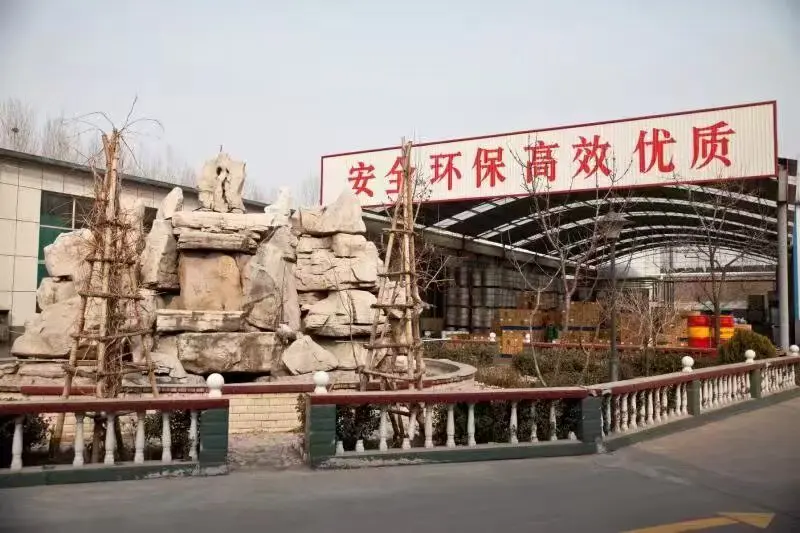
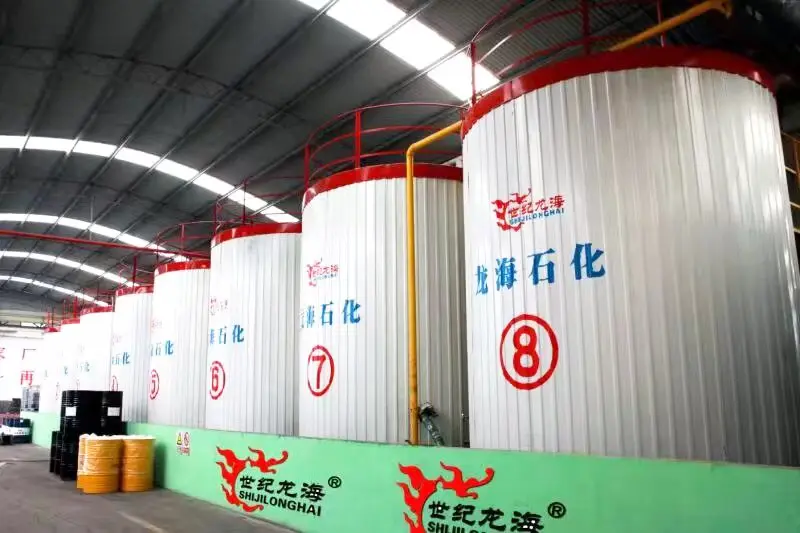
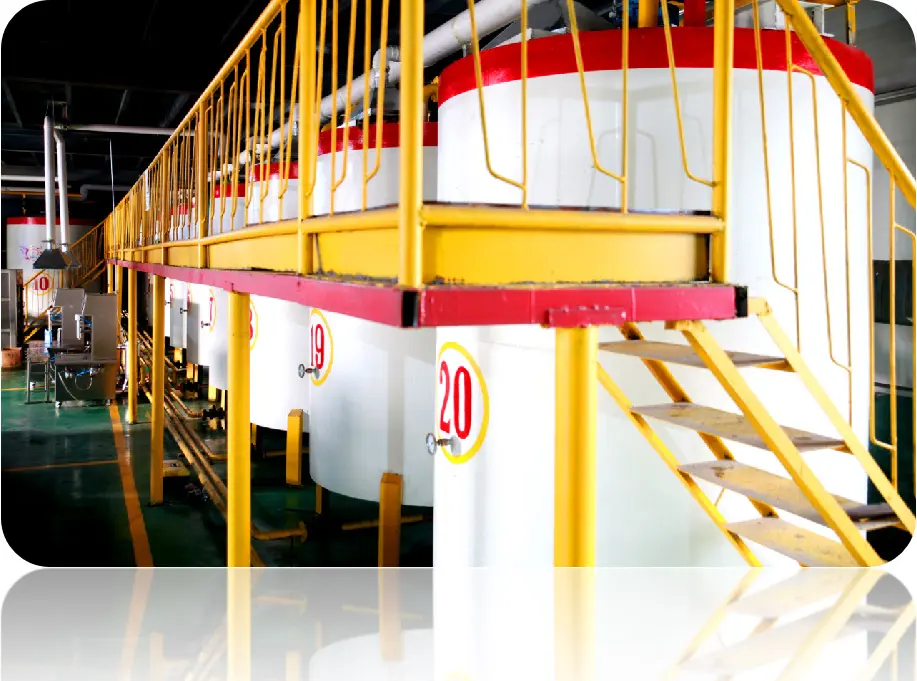
Our manufacturing base, Shandong Longhai Lubrication Technology Development Co., Ltd., is an advanced high-tech enterprise integrating R&D, production, and sales. Located in Zibo, Shandong, our facility spans 131 acres, achieving an annual output capacity of 200,000 tons of premium lubricants.
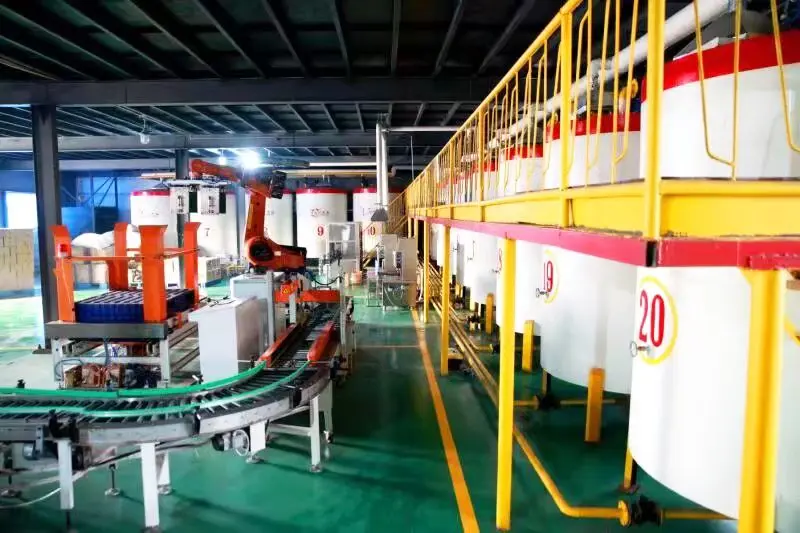
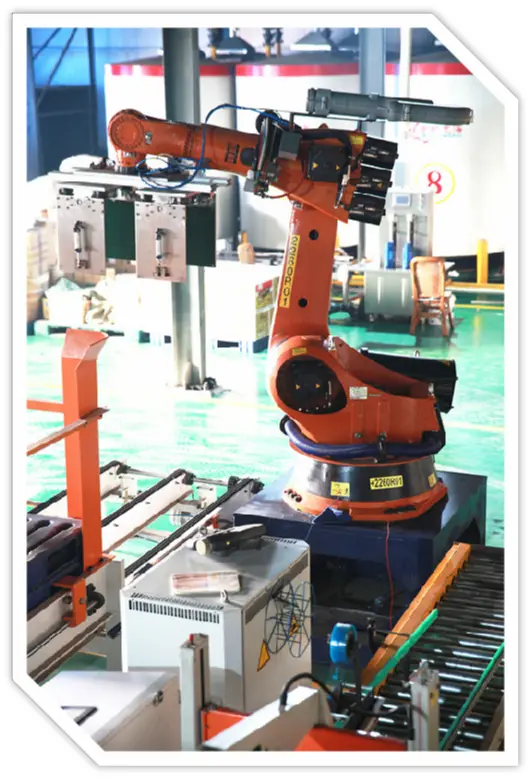
To guarantee quality across our extensive product line—which includes diesel and gasoline engine oils, industrial gear oils, transmission fluids, and special agricultural formulations—we deploy fully automated, state-of-the-art blending and packaging facilities. By investing over 5% of our annual revenue into R&D, we continuously refine our formulas and processes.
Our packaging systems use high-precision metering technologies, ensuring accurate fills within a 1‰ to 2‰ tolerance. This automated line increases efficiency by 20% to 35%, ensuring prompt fulfillment of large-volume export orders without sacrificing quality control.
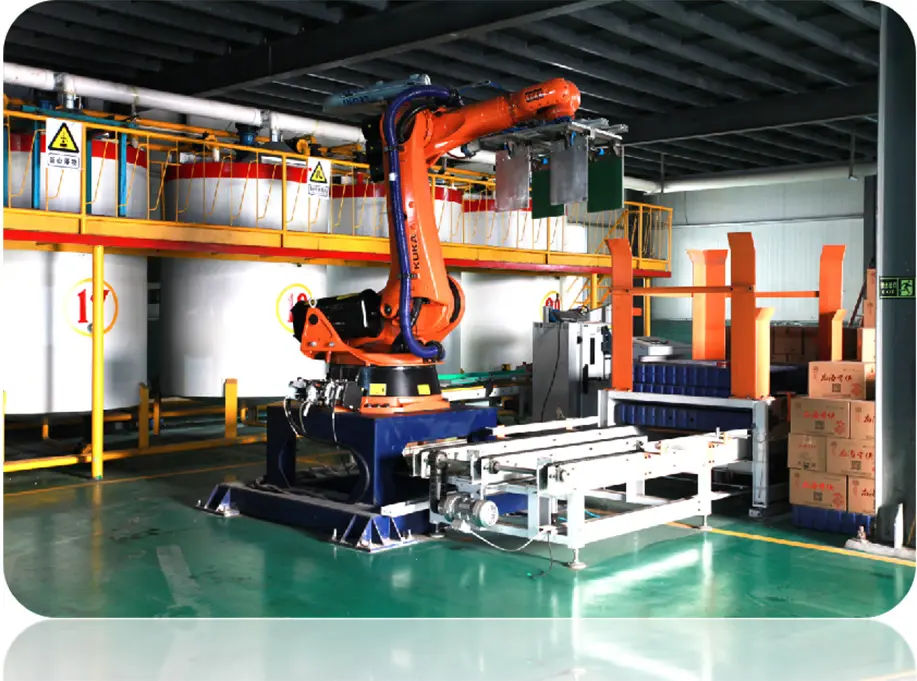
We offer flexible packaging, tailored chemical compositions, and custom viscosity indexes to match your machinery’s requirements, local climate conditions, and market expectations.
We review your technical specifications, climate zone considerations, and viscosity requirements (ISO VG 32, 46, 68).

Our engineers formulate custom synthetic or mineral blends to optimize shear stability and anti-wear protection.
Formulations undergo strict ASTM laboratory checks for demulsibility, oxidation resistance, and foaming limits.
Large-scale production and packaging on our automated filling lines with 1‰-2‰ accuracy.
We assist with international logistics, custom clearances, technical documentation, and oil analysis support.
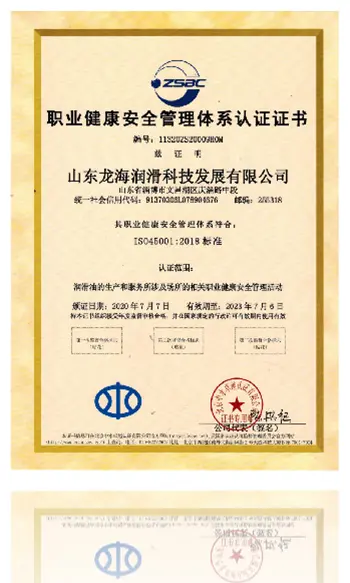
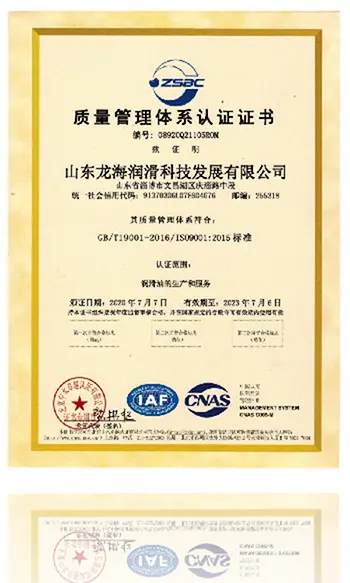
Procuring industrial oils from overseas requires careful attention to regional standards, transport safety regulations, and technical compliance. At Shandong Longhai, we simplify this process for our global partners by providing comprehensive regulatory support.
Our materials comply with major global frameworks, including REACH, RoHS, and GHS labeling requirements. We verify that all shipments include up-to-date Safety Data Sheets (SDS) and clean Bills of Lading, facilitating smooth customs clearance at your local port.
Additionally, our products are backed by PICC (China People's Insurance Company), providing liability insurance for added peace of mind. With products active in 139 cities across 29 provinces in China and multiple export markets, we manage complex logistics chains to deliver your lubricants on time, every time.
 Longhai