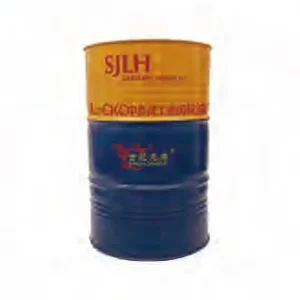
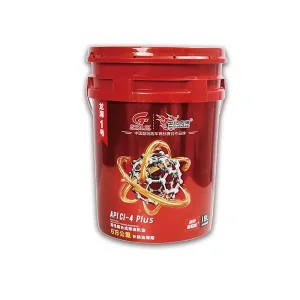
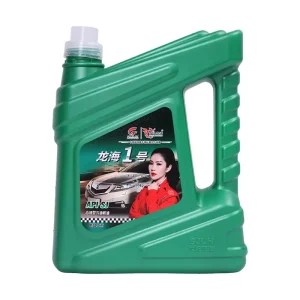
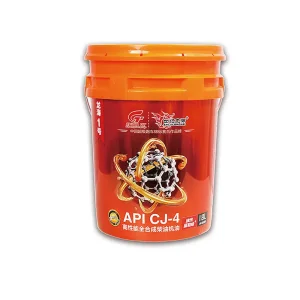
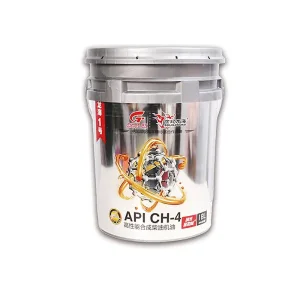
Explore our premium grade fully synthetic motor oils, heavy-duty gear systems, and professional-grade wear resistant industrial hydraulic fluids tailored for extreme operation parameters.
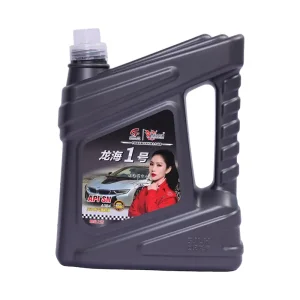
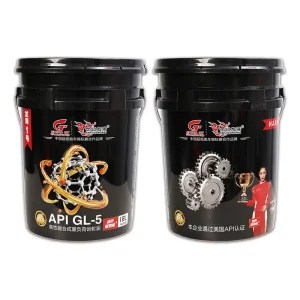
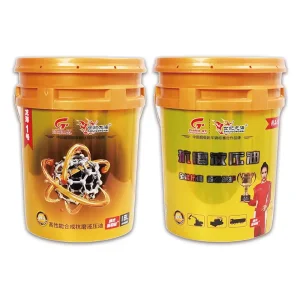
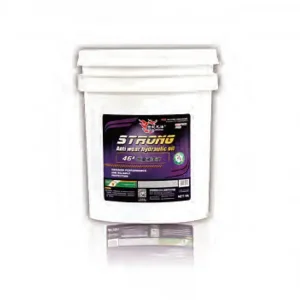
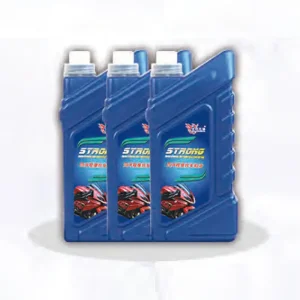
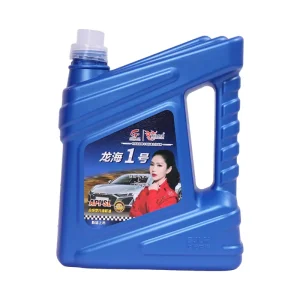
An in-depth analysis of tribological innovations, molecular developments, and macro-industrial dynamics driving efficient operation in high-load mechanical interfaces.
Industrial lubricants serve as the lifeblood of global heavy machinery, manufacturing infrastructures, and transportation systems. In the modern era, the dynamics of lubrication have evolved from simple surface friction reduction to complex molecular engineering. Factors such as extreme-pressure (EP) resistance, thermal oxidation stability, and shear performance under intense mechanical loads now define the criteria for choosing lubricant suppliers. Globally, the industrial sector accounts for over 45% of total lubricant consumption. Industries such as steel production, marine logistics, deep-well mining, and automatic production lines operate under demanding environments where component failures result in catastrophic losses.
Furthermore, international regulatory frameworks, including European Stage V emission norms and US EPA mandates, have accelerated the demand for high-performance synthetic lubricants. The transition from API Group I mineral base oils to API Group III hydrocracked oils and Group IV polyalphaolefins (PAOs) is no longer just an environmental goal; it is a mechanical necessity. By adopting high-tier formulations, operators can extend oil drain intervals (ODI), reduce energy-dissipating friction by up to 3.5%, and prevent premature component failure due to micro-pitting and hydrogen embrittlement.
"Tribological efficiency directly correlates with industrial uptime. The application of premium additive chemistries, such as sulfur-phosphorus complexes and nano-ceramic friction modifiers, represents the frontier of modern machinery asset protection."
Optimal lubrication strategies are inherently application-specific. A standard formulation cannot meet the demands of different machinery classes. Below, we examine the typical operational conditions and requirements across critical industrial sectors:
Looking to the future, the industrial lubrication market is driven by three distinct pillars: Sustainability, Intelligent Fluid Management, and Advanced Synthetic Blending. As global manufacturing targets net-zero carbon footprints, bio-based biodegradable lubricants derived from synthetic esters are emerging as a viable alternative for ecologically sensitive operations (such as marine shipping and offshore wind power).
Simultaneously, the industry is witnessing the integration of IoT-based oil condition monitoring. Sensors embedded within machinery gearboxes measure real-time viscosity fluctuations, total acid number (TAN), and metallic wear debris, feeding data back to predictive maintenance systems. This digital transformation changes the role of a lubrication supplier from a bulk fluid vendor to an integrated operational partner.
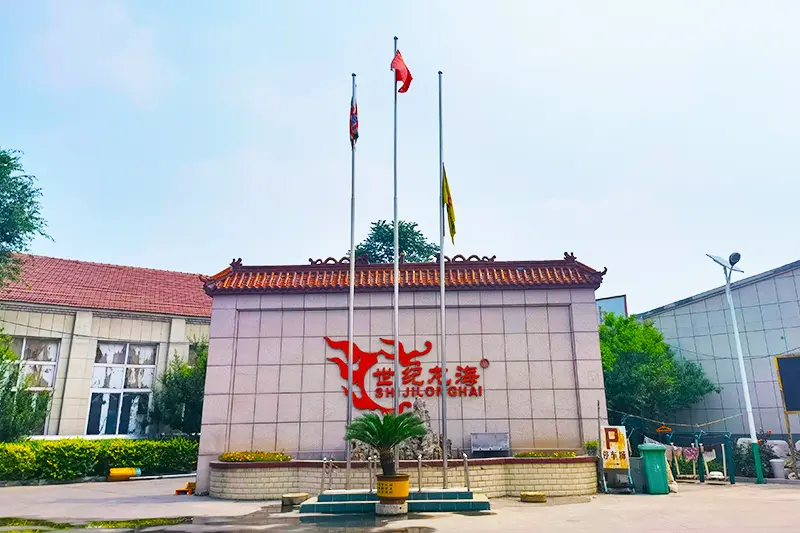
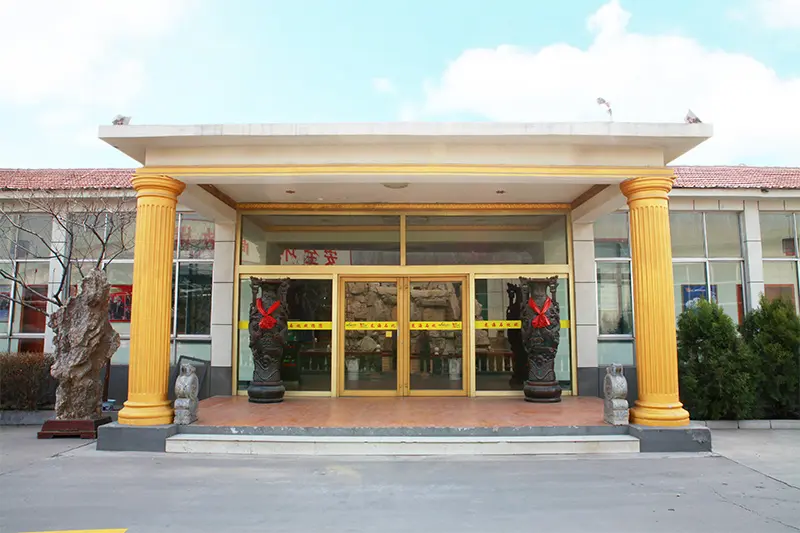
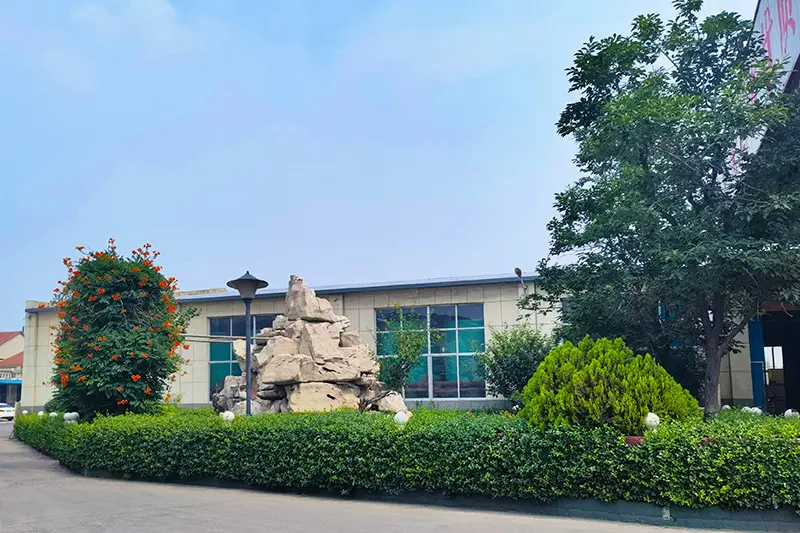
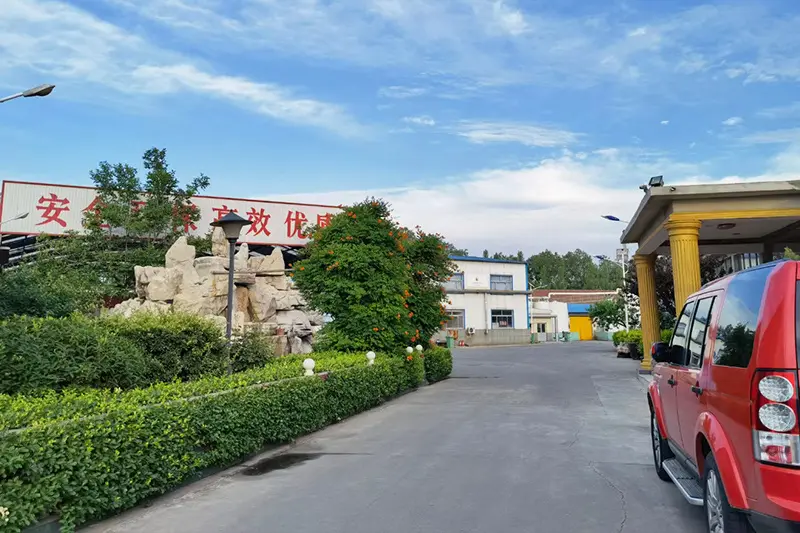
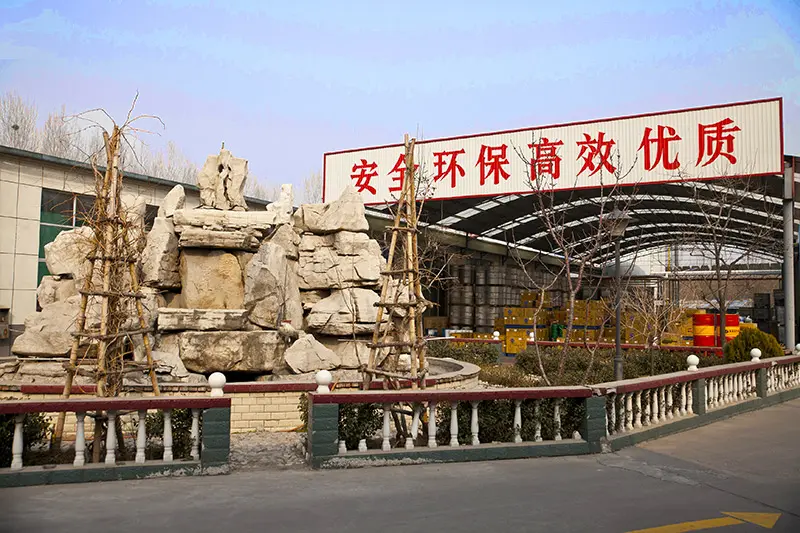
Shandong Longhai Lubrication Technology Development Co., Ltd. was established in 2009 and is headquartered in Zibo, Shandong. As a high-tech enterprise integrating R&D, production, and sales, the company has been deeply involved in the lubricant industry for more than 15 years, building a complete industrial chain system dedicated to providing high-quality lubrication solutions for global industrial and transportation fields.
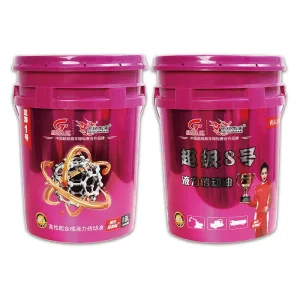
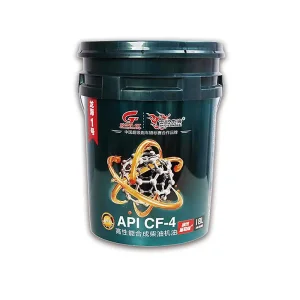
We own the domestic brand "Century Longhai" alongside the international strategic cooperation brand, British "A Ba" series. The products cover diesel engine oil, gasoline engine oil, gear oil, hydraulic transmission oil, anti-wear hydraulic oil, special engine oil for engineering machinery, special oil for natural gas, full synthetic oil, automotive urea solution, antifreeze, special engine oil for motorcycles, industrial oil, automatic transmission oil, and many other lubricant varieties. The brand is fully insured by PICC China People's Insurance Company, ensuring maximum quality assurance.
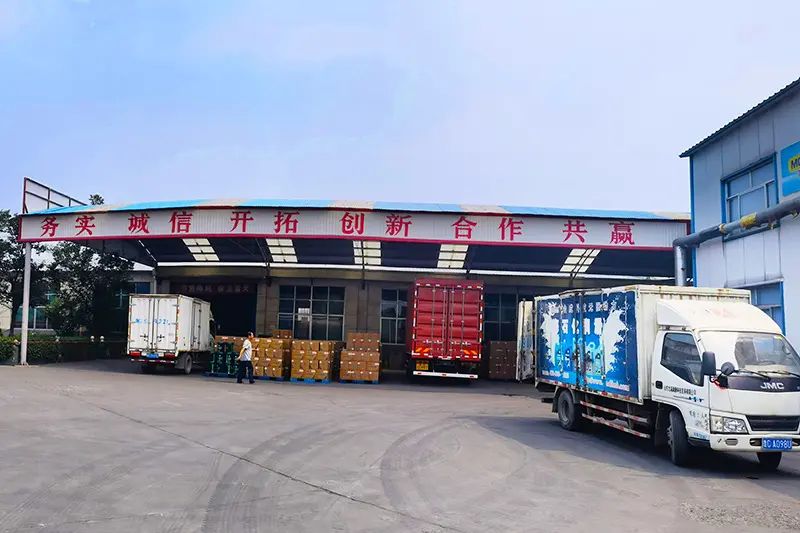
Insisting on innovation-driven development, our annual R&D investment accounts for more than 5% of annual revenue. With a production base covering 131 acres, we operate automated blending and filling equipment that ensures a filling accuracy of 1‰-2‰, while increasing production speed by 20%-35% compared to conventional manufacturing units.
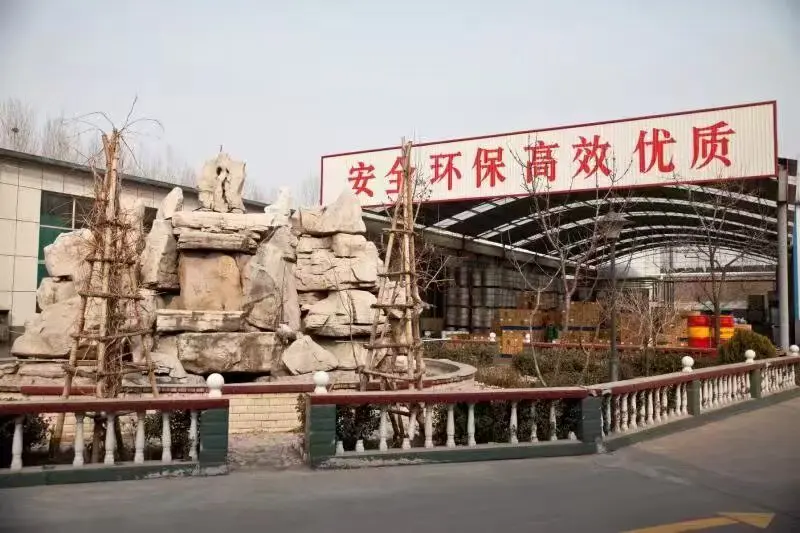
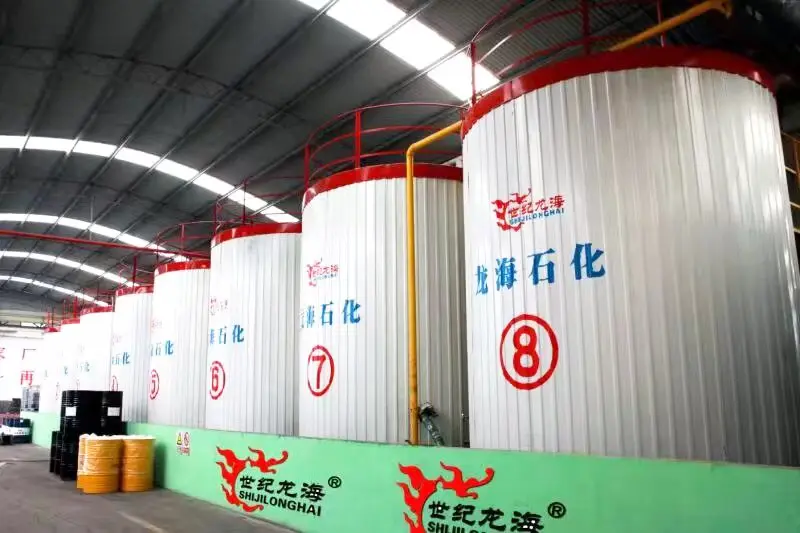
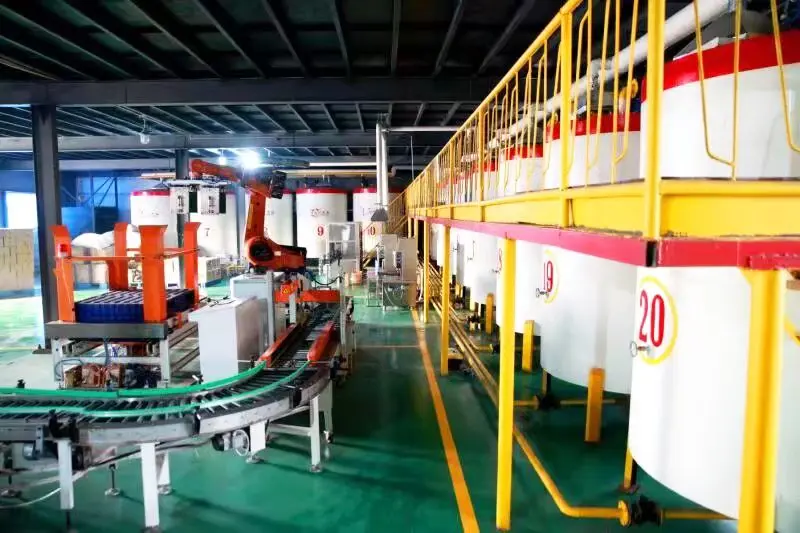
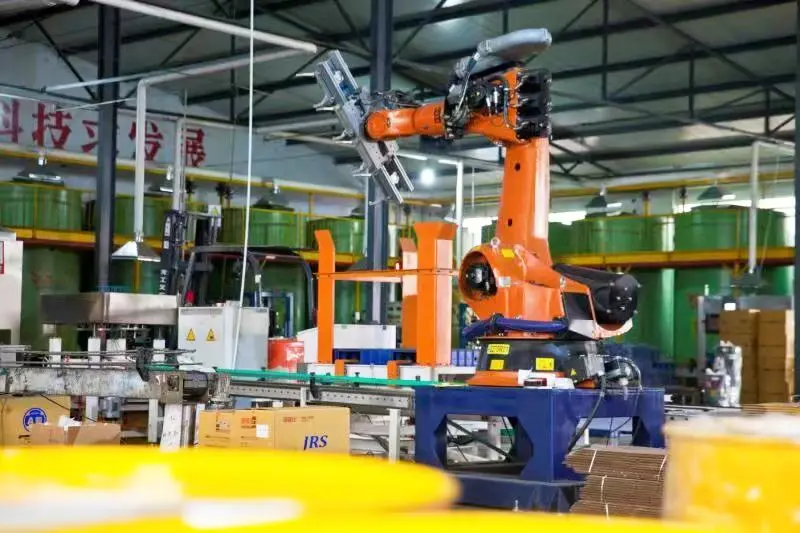
A combination of raw material purity, strict European standard testing, and state-of-the-art automated logistics systems.
Equipped with modern intelligent labs, we offer customized chemical adjustment of additive packages (anti-wear, viscosity index improvers, friction modifiers) to suit your unique climate and machinery profile.
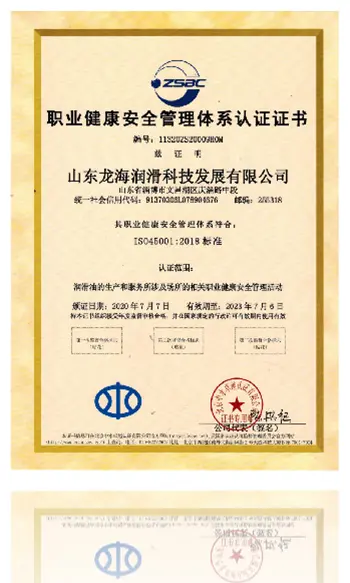
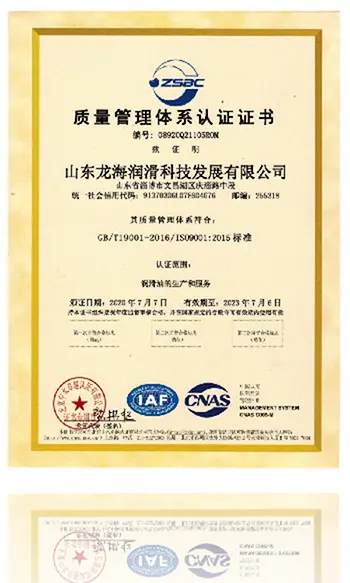
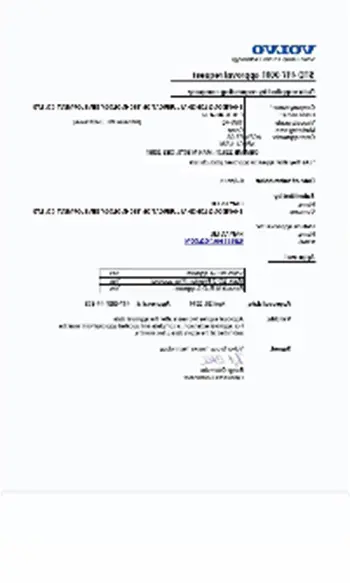
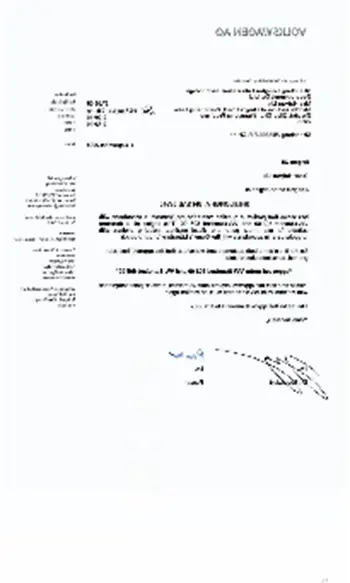
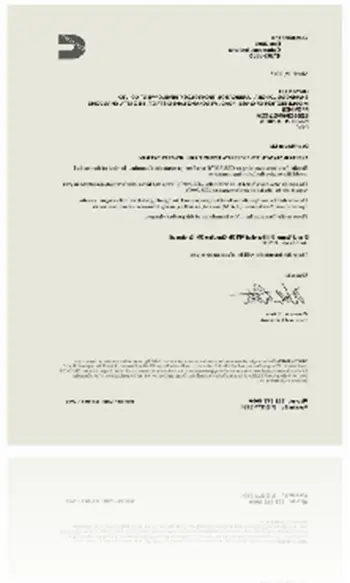
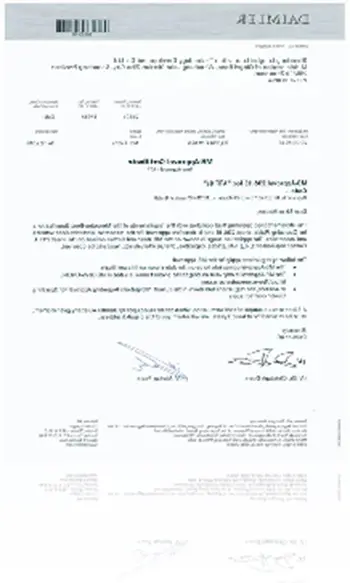
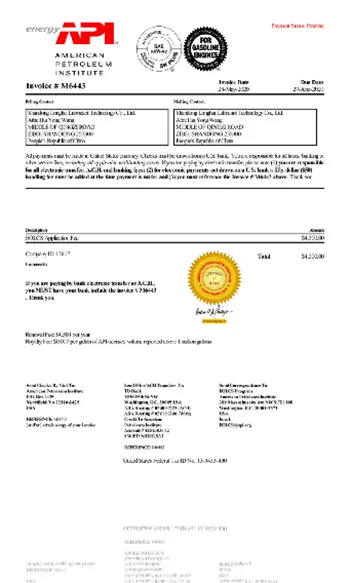
Certified in ISO 9001-2015 Quality Management, 14001 Environmental System, and 18001 Health Management. Our automatic transmission fluid meets Mercedes-Benz certification standards.
Advanced high-speed automated metering and filling lines ensure an exact filling rate within 1‰ to 2‰ deviation, speeding up lead times by 20% to 35% across high-volume orders.
From conceptual formula development to international standard compliance testing, we build custom brands from the ground up.

Define dynamic viscosity, shear requirements, base oil classes, and operational limits.
Our lab designs specialized additive packages (anti-oxidant, EP, detergent agents).
Simulating severe industrial environments to verify viscosity stability and wear indexes.
Execution of high-accuracy blending, strict filling procedures, and rapid global logistics.
Providing technical fluid analysis, field engineering guidance, and subsequent product optimization.
Our production conforms to rigorous manufacturing audits, guaranteeing that our lubricants stand up to intense operational demands.
Professional answers to common engineering questions concerning fluid specifications, performance parameters, and selection strategies.
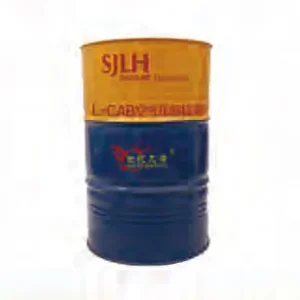
L-CKC and L-CKD are classification grades designated for industrial closed gear lubrication systems under varying loads. L-CKC is formulated for medium-load gear operations, providing basic extreme-pressure, anti-wear, and anti-oxidation protection. In contrast, L-CKD is engineered for heavy-duty systems subjected to severe contact stress, continuous shock loads, and elevated ambient temperatures. L-CKD utilizes high-tier base oils and specialized sulfur-phosphorus EP additives that form a highly resilient tribological film. This design prevents micro-pitting, gear tooth scuffing, and thermal-oxidative sludge formation in heavy-duty machinery.
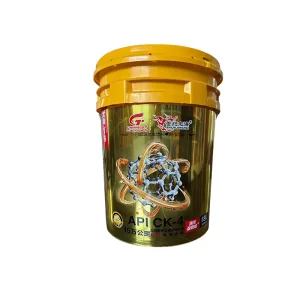
These classifications trace the evolution of heavy-duty diesel engines and emissions requirements. API CI-4 was introduced for engines utilizing exhaust gas recirculation (EGR). CJ-4 upgraded this chemistry, implementing lower levels of sulfated ash, phosphorus, and sulfur (SAPS) to protect exhaust aftertreatment systems like Diesel Particulate Filters (DPF). The latest standard, API CK-4, is designed for modern high-performance engines. It provides superior oxidation resistance, improved shear stability, and enhanced aeration control compared to CJ-4 and CI-4, making it compatible with older engines while protecting new emissions control systems.
In global industrial procurement, volume consistency is critical for cost control and system balance. Minor variations in filling volume can lead to supply discrepancies and shipping issues. Our automated lines utilize mass-flow metering systems that guarantee deviation within 1‰ to 2‰. This precision eliminates product loss during packaging, ensures consistency in batch production, and speeds up the delivery process by 20% to 35% compared to manual volumetric filling methods.
Modern hydraulic pumps, such as piston and vane pumps, operate under high pressures (above 20 MPa) and tight clearances. Without adequate lubrication, boundary friction leads to rapid metal-to-metal wear, internal leakage, and system failure. Premium anti-wear hydraulic oil contains active zinc dialkyldithiophosphate (ZDDP) additives. Under localized high temperatures, these additives react with the metal surfaces to form a protective boundary layer. This layer prevents wear, maintains system efficiency, and extends the service life of control valves and pumps.
Explore our industrial transmission fluids, specialized diesel oils, and refrigeration lubricants designed for consistent performance under extreme temperatures.
 Longhai