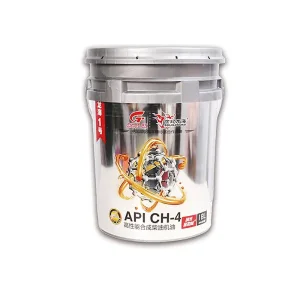
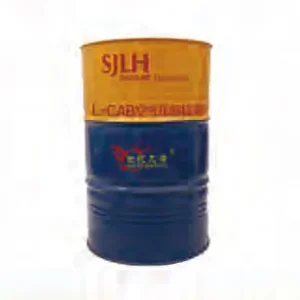
Explore our wholesale selection of high-performance automotive and industrial lubricants manufactured to strict international standards.
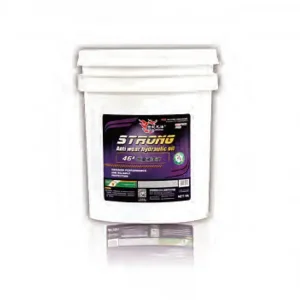
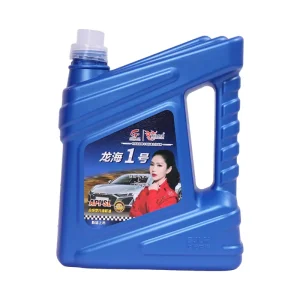
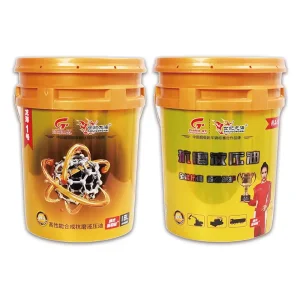
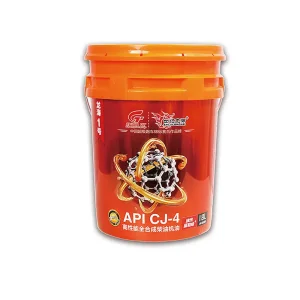
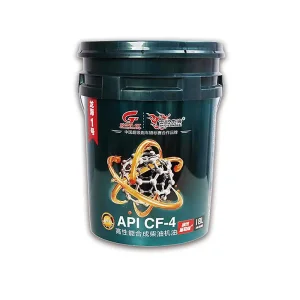
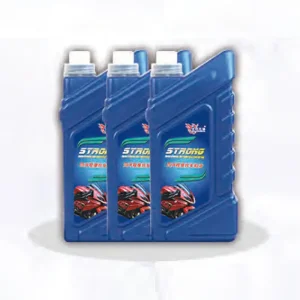
Within complex HVAC/R (Heating, Ventilation, Air Conditioning, and Refrigeration) configurations, the compressor lubricant is not merely a friction reducer; it is a foundational component that determines the system’s thermodynamics, reliability, and lifespan. The global phase-out of traditional ozone-depleting substances has driven the adoption of modern hydrofluorocarbon (HFC), hydrofluoroolefin (HFO), and natural refrigerants (such as R-290, R-744, and R-717). This evolution requires advanced synthetic lubricants specifically formulated to maintain miscibility, chemical stability, and viscosity under extreme high-pressure and low-temperature conditions.
Choosing the correct AC compressor oil requires understanding the chemical interactions between the refrigerant gas and the lubricant base fluid. For automotive applications transitioning from R-134a to low-GWP R-1234yf, customized Polyalkylene Glycol (PAG) lubricants are essential to protect the mechanical components. In commercial, industrial, and residential settings utilizing R-410A, R-32, or CO2, Polyol Ester (POE) or Polyvinyl Ether (PVE) oils provide the thermal resistance and system miscibility required to prevent oil logging in the evaporator and ensure efficient heat transfer.
How procurement directors, global distributors, and HVAC OEMs manage risk, ensure performance stability, and lower total cost of ownership (TCO).
Industrial operations and commercial refrigeration fleet managers require reliable suppliers capable of shipping bulk orders under strict quality control. Supply delays can lead to costly down-time in cold-chain logistics, food storage, or manufacturing lines. Our manufacturing facilities address this need by producing bulk shipments that meet international distribution schedules without quality variations between batches.
Modern HVAC compressors from global OEMs feature precise tolerances. Using a lubricant with incorrect viscosity, high moisture levels, or incompatible chemistry can cause premature bearing failure, valve wear, and seal deterioration. Large-scale procurement demands certified compliance with OEM specifications to protect equipment investments.
Regulatory frameworks such as the Kigali Amendment and European F-Gas regulations are driving the phase-down of high-GWP refrigerants. This transition is accelerating the demand for synthetic lubricants optimized for HFOs and natural gases like R-290 (propane) and R-744 (CO2). Forward-looking procurement plans prioritize suppliers with advanced synthetic R&D programs.
Note for Procurement Specialists: A lubricant’s compatibility with elastomers, moisture resistance, and chemical stability in the presence of modern refrigerants are critical factors. Substandard oils can lead to acid formation, copper plating, and system blockage, causing compressor failure.
A comparative analysis of synthetic base fluids for refrigeration and mobile air conditioning systems.
Highly polar synthetic lubricants designed primarily for mobile air conditioning (MAC) systems using R-134a and R-1234yf. PAGs offer excellent lubricating properties, high viscosity index, and strong thermal stability. However, they are highly hygroscopic and require careful handling to prevent moisture contamination.
The standard synthetic lubricant choice for stationary commercial, industrial, and residential AC systems operating with HFCs (such as R-410A, R-407C, R-134a) and modern HFOs. POE oils feature excellent miscibility with refrigerant gases, ensuring proper oil return to the compressor.
An alternative synthetic chemistry that performs well with HFC and HFO systems. PVE lubricants do not hydrolyze in the presence of moisture (unlike POEs), reducing the risk of acid formation in the refrigeration loop. They provide strong wear protection and solubility characteristics.
A leading high-tech enterprise integrating R&D, production, and sales of high-performance lubricants since 2009.
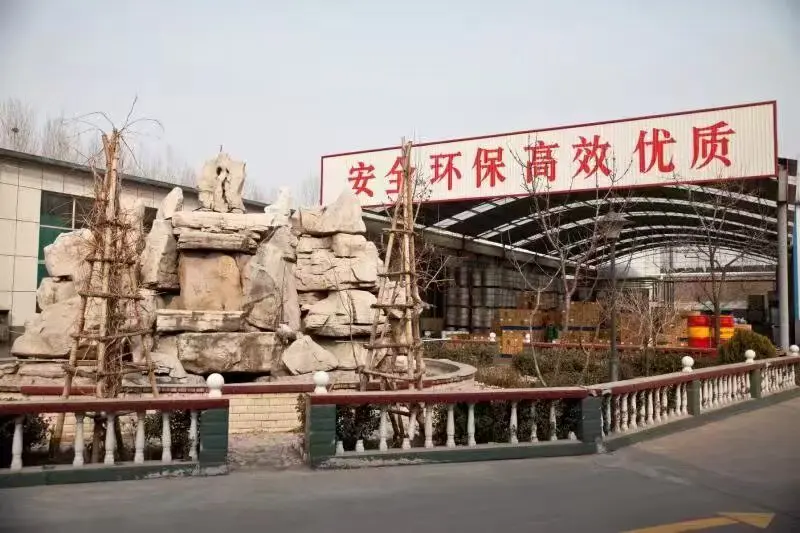
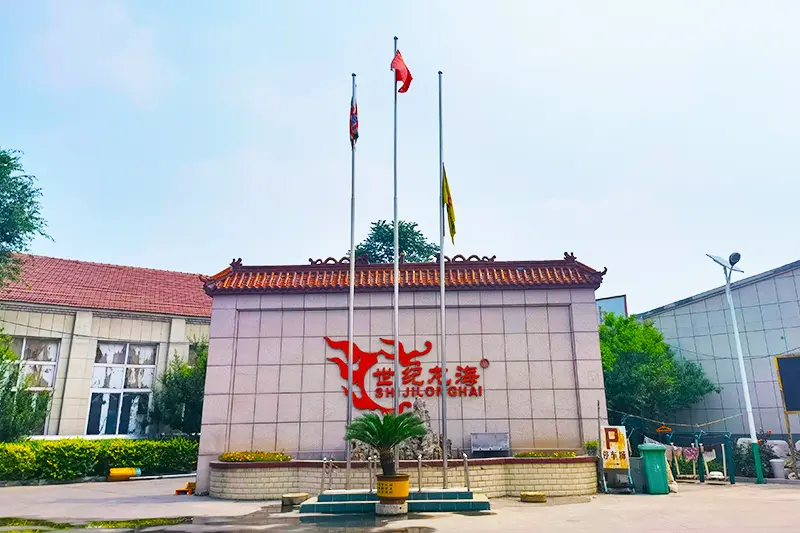
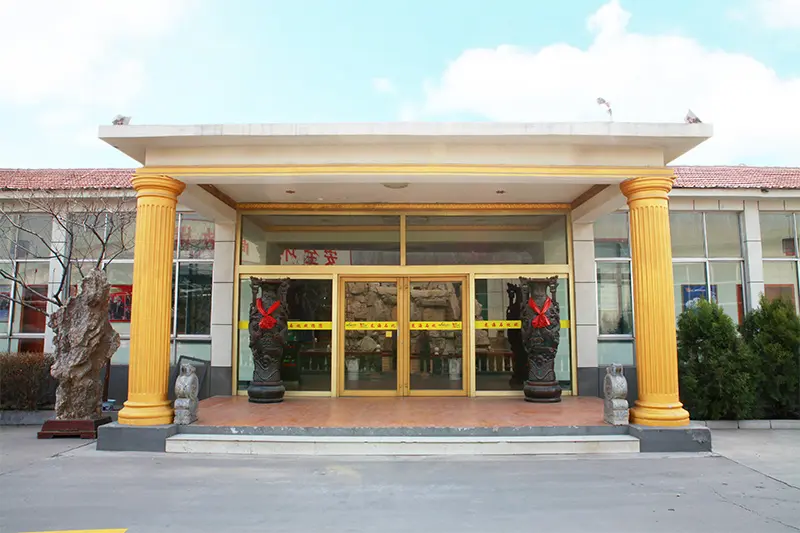
Established in 2009 and headquartered in Zibo, Shandong, Shandong Longhai Lubrication Technology Development Co., Ltd. is a high-tech enterprise integrating research and development, production, and sales. With over 15 years of experience in the lubricant industry, the company has built a complete industrial chain system dedicated to providing high-quality lubrication solutions for global industrial and transport applications.
As a reliable industry manufacturer, Longhai Technology operates its proprietary brand "Century Longhai" and manages the international strategic brand, the British "A Ba" series. Our comprehensive product portfolio includes diesel engine oils, gasoline engine oils, gear oils, hydraulic transmission fluids, anti-wear hydraulic oils, engineering machinery lubricants, natural gas engine oils, full synthetic oils, automotive urea solutions, antifreeze, motorcycle oils, industrial oils, and automatic transmission fluids. To guarantee reliability and quality, our brand is insured by PICC (China People's Insurance Company).
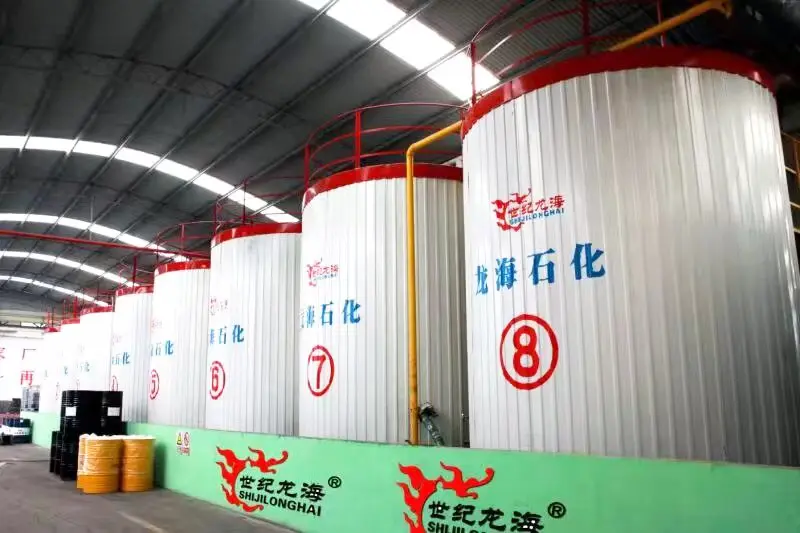
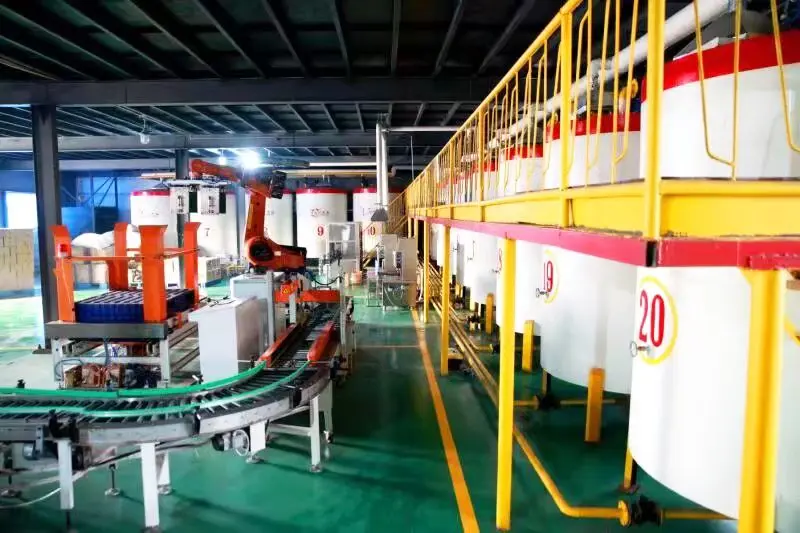
Longhai Technology prioritizes technological innovation, allocating over 5% of annual revenue directly to R&D. We maintain active partnerships with universities and research institutions to continually optimize lubricant chemistry and manufacturing efficiency.
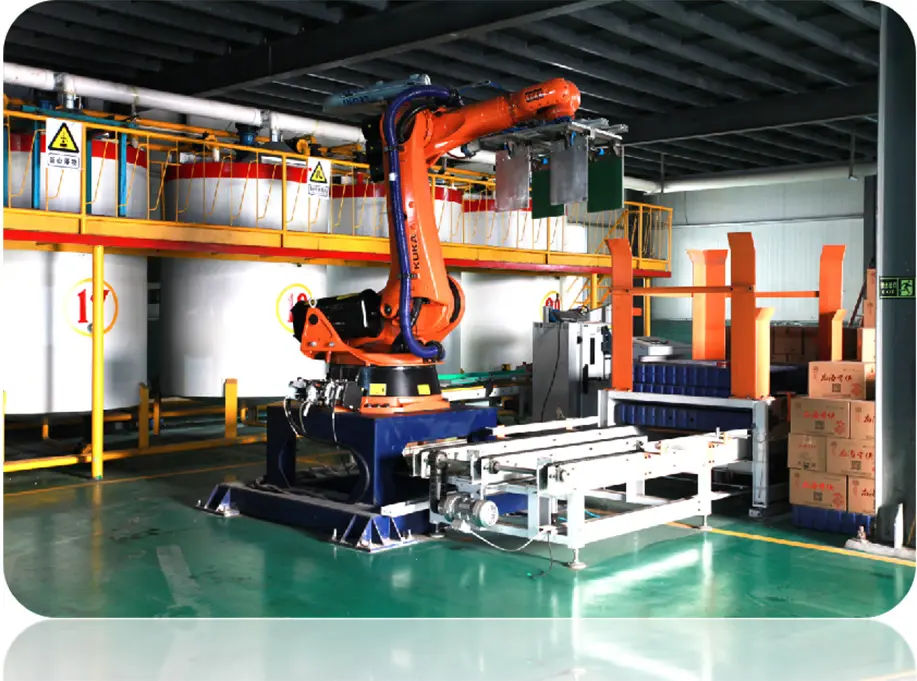
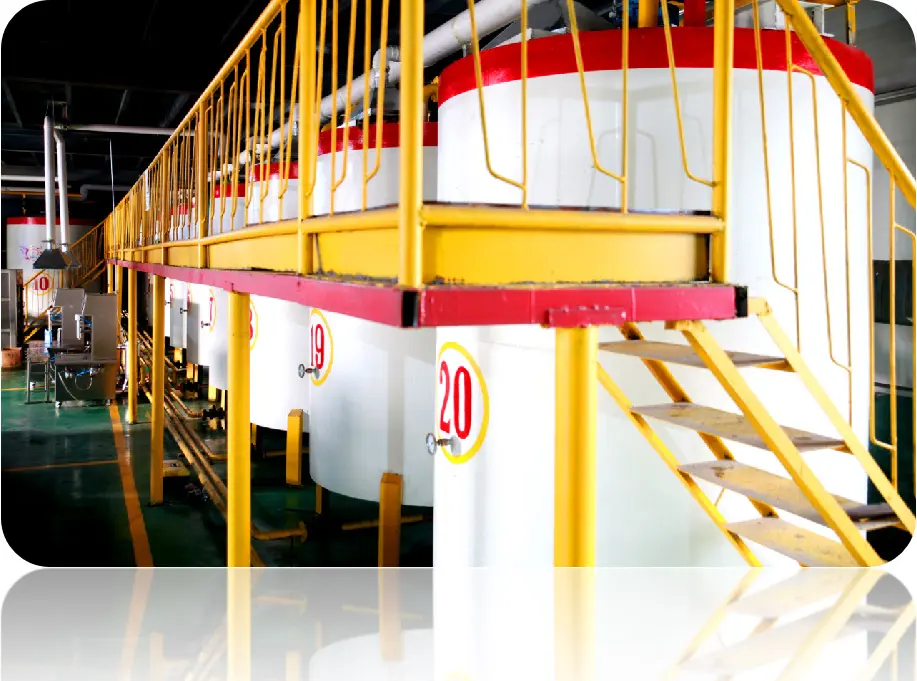
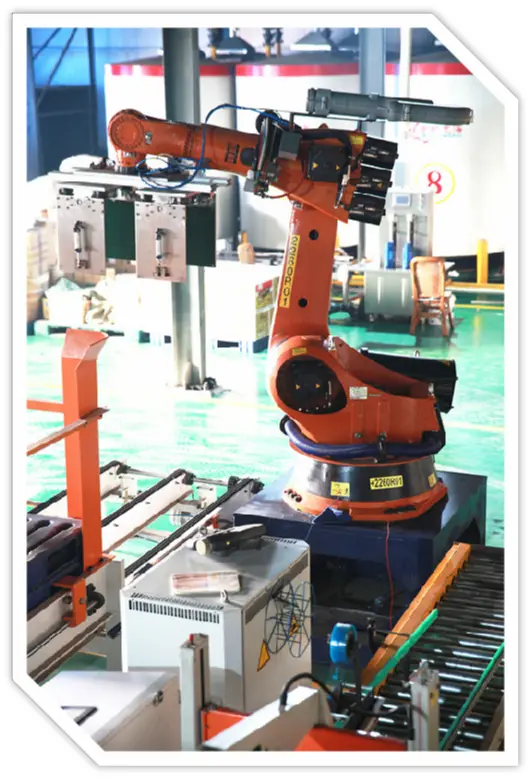
Our production facilities feature advanced blending technology and fully automated filling equipment. The filling systems use metering principles suitable for diverse lubricant viscosities, maintaining a filling precision of 1‰-2‰. This automated line increases filling speed by 20% to 35%, supporting consistent product quality, stable lead times, and prompt delivery for high-volume wholesale orders.
Our commitment to environmental management, health safety, and automotive OEM specifications.
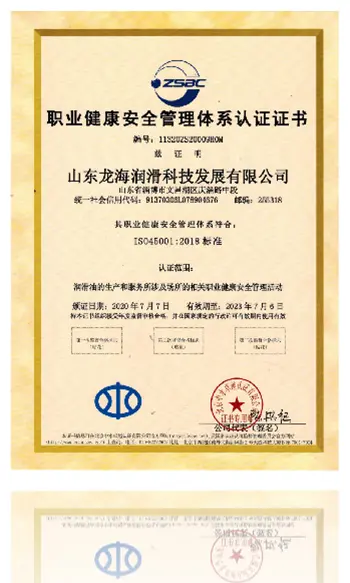
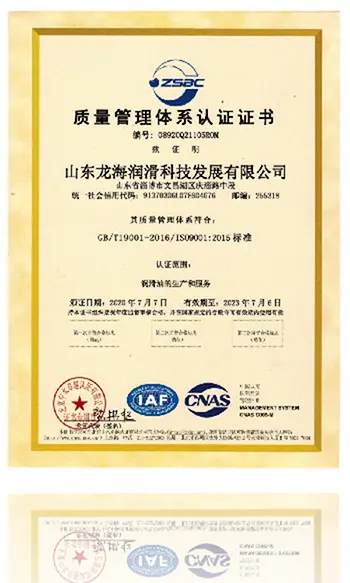
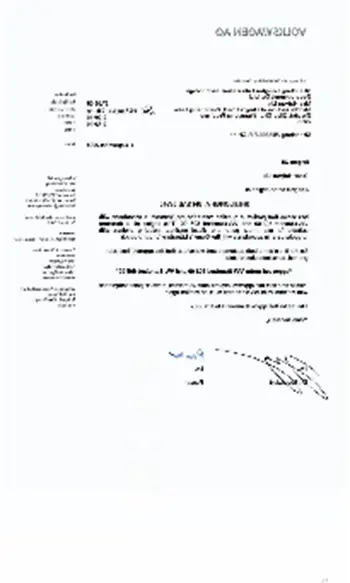
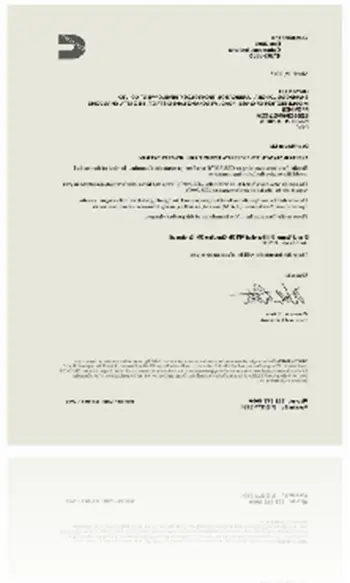
Shandong Longhai Lubrication Technology operates under certified quality and safety management systems. We have passed ISO-9001-2015 quality system certification, ISO-14001 environmental management system certification, and ISO-18001 occupational health and safety management certification. Additionally, our automatic transmission lubricants carry formal Mercedes-Benz certification, demonstrating compliance with international automotive specifications.
We source premium additives and base stocks, using advanced production processes and laboratory testing to ensure reliable performance under high temperatures, heavy loads, and extreme operating conditions. This focus helps our clients minimize equipment wear, reduce downtime, and lower maintenance costs.
Tailor-made industrial, automotive, and refrigeration lubricant solutions optimized for specific target markets and environmental requirements.
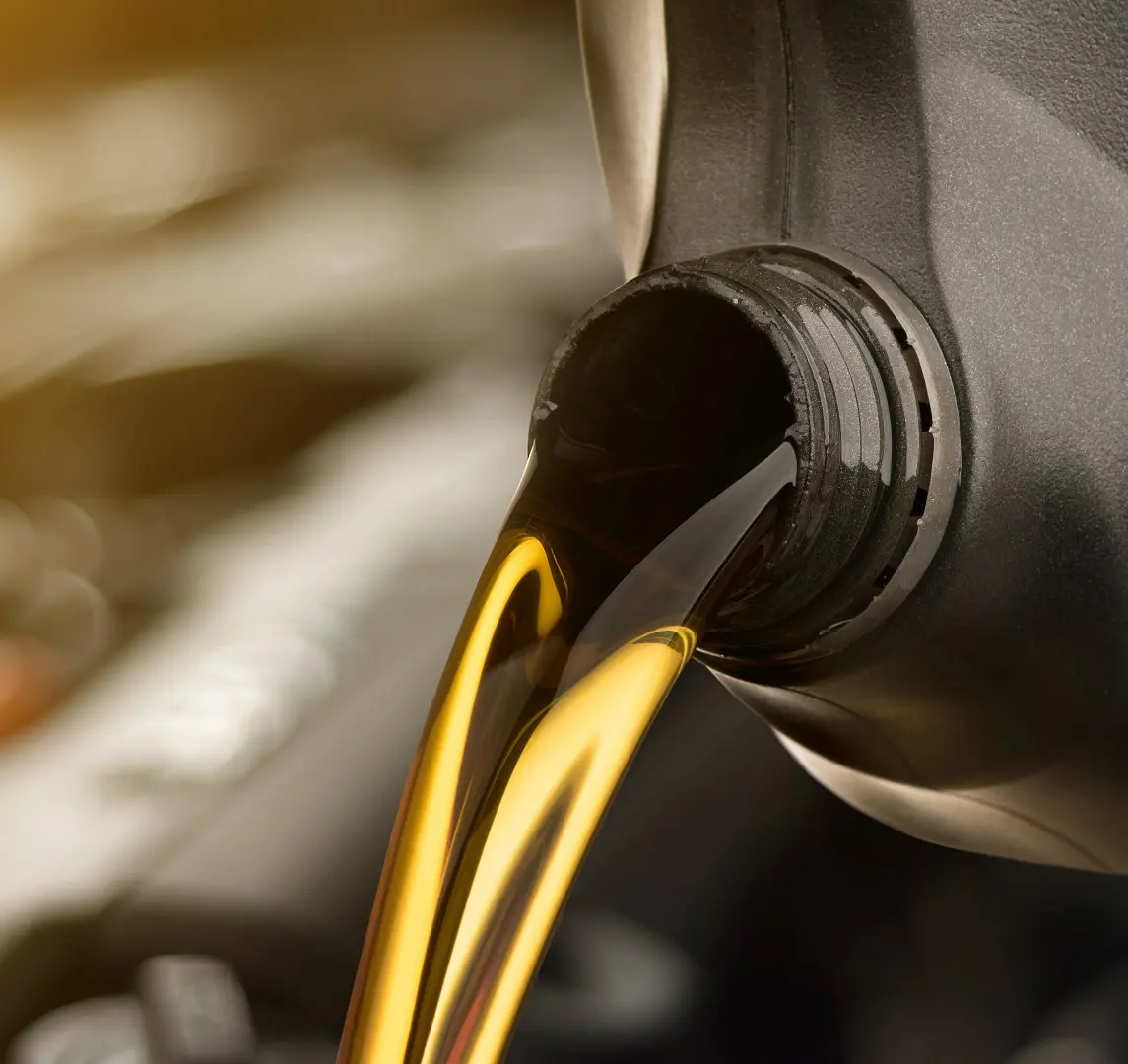
Our technical team designs custom semi-synthetic and fully synthetic formulations tailored to specific equipment requirements, operating temperatures, and target market conditions. We ensure product characteristics align with global standards such as API, ACEA, and relevant ISO viscosity grades.
We work with clients to develop formulations optimized for local regulatory limits, cost targets, and equipment designs. This includes adjusting additive levels to improve anti-wear properties, low-temperature flow, and refrigerant compatibility.
From initial inquiry to final product delivery, we follow a structured approach to ensure quality, performance, and efficiency at every stage.
Evaluating technical specifications, viscosity profiles, and packaging requirements.
Developing customized formulas utilizing premium base-oils and advanced additives.
Conducting rigorous laboratory testing to verify chemical stability and physical properties.
Automated blending and high-accuracy packaging under strict quality control.
Arranging safe international shipping, customs documentation, and delivery.
Take a virtual look inside our automated production floor, storage warehouse, and precision testing laboratories.

Technical guidance for HVAC engineers, industrial procurement managers, and global commercial distributors.
PAG (Polyalkylene Glycol) lubricants are polar synthetic fluids used primarily in mobile air conditioning (MAC) systems using R-134a and R-1234yf refrigerants. They offer high shear stability and thermal performance but are highly hygroscopic (moisture-absorbent). POE (Polyol Ester) oils are the standard choice for stationary refrigeration systems running HFCs (like R-410A) and modern HFO blends. They provide high chemical stability and mix well with refrigerants, though they can hydrolyze to form acids if exposed to excess moisture. PVE (Polyvinyl Ether) oils perform a similar role to POEs but do not react with moisture to form acids, offering a robust alternative for ductless mini-splits and commercial installations.
During normal operation, a small portion of compressor oil is carried out of the compressor by the hot refrigerant vapor. To maintain heat transfer efficiency, the oil must remain fully miscible (soluble) with the refrigerant as it flows through the condenser and evaporator. If the oil is not miscible, it can separate and pool in the cold evaporator coils, creating a thermal barrier that reduces cooling efficiency. This oil pooling also deprives the compressor of proper lubrication, risking component wear and potential mechanical failure.
Procurement teams should verify that the manufacturer maintains certified ISO management standards (specifically ISO 9001 for quality, ISO 14001 for environmental management, and ISO 18001 for safety). Crucial physical specifications to confirm include the Viscosity Index (ASTM D2270), Total Acid Number (TAN, ASTM D974) to check for pre-existing degradation, Pour Point (ASTM D97) for low-temperature flow reliability, and Flash/Fire Points (ASTM D92) to verify thermal limits. Requesting independent laboratory test reports for each production run is also recommended.
Synthetic lubricants like POEs and PAGs are inherently hygroscopic. Shandong Longhai maintains low moisture levels by blending in sealed, nitrogen-purged reactor vessels. Finished oils are transferred directly to automated, nitrogen-shielded filling lines. We package products in moisture-resistant containers to prevent ambient humidity absorption during storage, transit, and distribution, ensuring chemical stability upon arrival.
No, they are generally not backward-compatible. Mineral oils (often used with HCFCs like R-22) do not mix with modern HFC and HFO refrigerants. If a system is retrofitted from an HCFC to an HFC, the old mineral oil must be flushed from the loop. Residual mineral oil in a POE or PAG system should not exceed 1% to 5% (depending on the compressor design), as excess mineral oil can separate and cause compressor wear or system blockages.
Explore our additional wholesale lubricants, including diesel engine oils, turbine lubricants, and specialty gear oils.
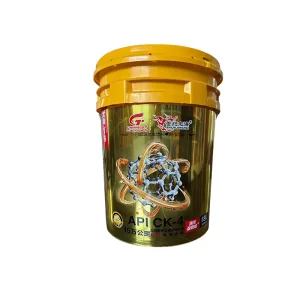
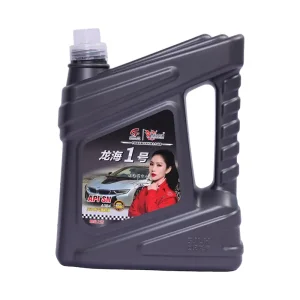
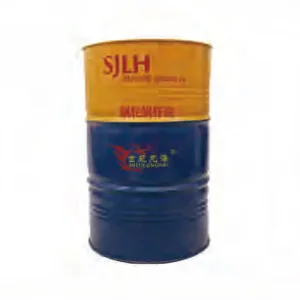
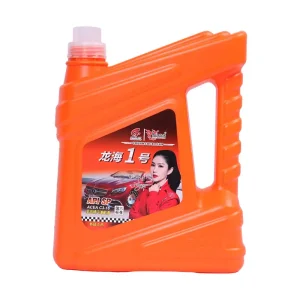
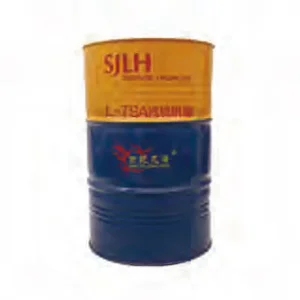
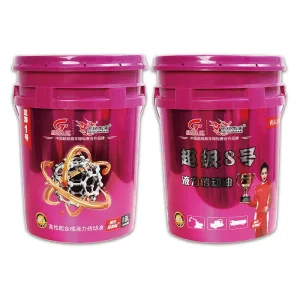
Whether you require a custom formulation for extreme climates, bulk packaging options, or detailed technical data sheets (TDS) and safety data sheets (SDS) for global compliance, our team of chemical engineers and export specialists is here to assist.
Our business philosophy is built on technical innovation, product quality, and reliable service. We support global partners with quality-insured formulations, technical assistance, and stable supply networks.
Contact our engineers to discuss your technical specifications, request product samples, or ask for a commercial quotation.
 Longhai