The modern global power generation and mechanical engineering landscape is undergoing a critical transition. As steam and gas turbine systems increase operational temperatures to optimize thermodynamic efficiency, the thermal and oxidative loads on Turbine Engine Oil have mounted exponentially. Traditional Group I mineral base stocks are no longer sufficient to sustain long-life expectations and mitigate varnish formation. Today's turbine lubrication technology is heavily driven by the development of highly refined Group II hydrocracked and Group III hydroisomerized base oils, along with synthetic Group IV (Polyalphaolefins - PAO) configurations.
Understanding the core performance requirements of turbine lubricants requires focusing on key parameters: Oxidation Stability (evaluated via ASTM D2272 Rotary Pressure Vessel Oxidation Test - RPVOT), Varnish Propensity (evaluated via Membrane Patch Colorimetry - MPC according to ASTM D7843), and Water Separability (ASTM D1401 demulsibility tests). Leading China turbine engine oil exporters are integrating advanced ashless antioxidant additives—primarily hindered phenols and alkylated diphenylamines—to ensure that high-temperature operations do not result in radical chain reactions that degrade the fluid, form sludge, or block filter lines.
Formulated to resist oxidative degradation, providing extreme operational run times exceeds 2,000+ hours in rigorous RPVOT testing parameters.
Ultra-low MPC values prevent the electrostatic and thermal breakdown products that result in harmful varnish deposition on servo valves.
Rapid separation of water contamination, protecting the systems from catalytic rust formation and premature hydrolytic decomposition.
Industrial procurement heads are no longer evaluating turbine engine oil simply by wholesale cost. Total Cost of Ownership (TCO) models mandate analyzing oil service intervals, equipment downtime risk, compatibility with existing mechanical systems, and supply chain predictability. The demand from thermal power plants, hydroelectric dams, and oil and gas compressor stations focuses on three core facets:
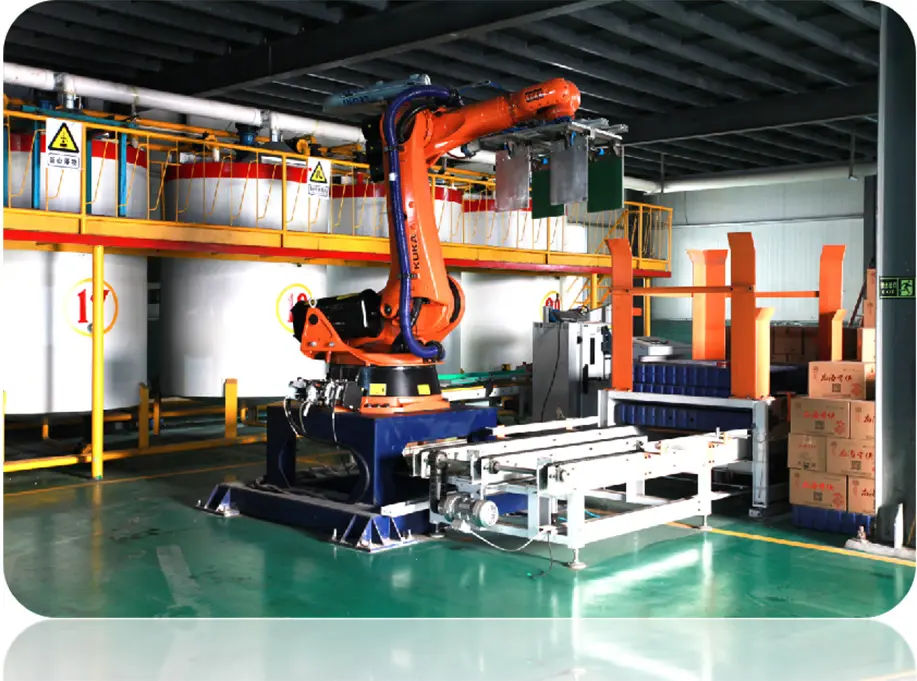
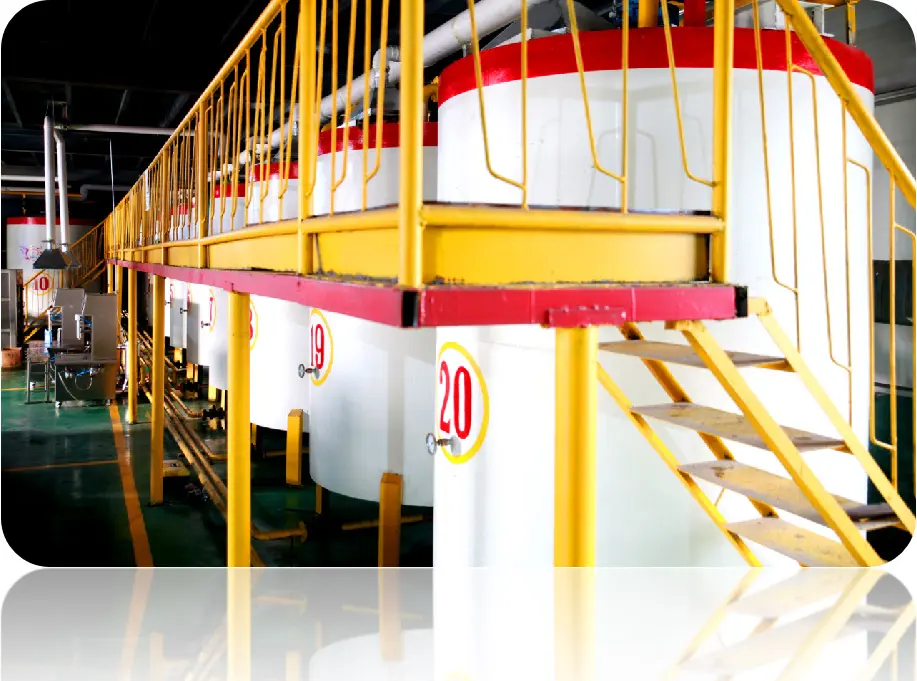
Modern manufacturing facilities in China have transitioned into highly automated Industry 4.0 centers. The combination of local chemical engineering ecosystems, smart automated blending plants, and nearby ports delivers exceptional supply chain resilience. Utilizing massive raw material storage terminals and fully digitized metering systems, Chinese blending plants reduce production cycle times by 20% to 35% compared to conventional operations.
By applying high-accuracy automatic batch blending controls, companies achieve consistent additive distribution. This precision blending capability ensures that batches scale from trail quantities to thousands of metric tons with precise chemical homogeneity. Standardized digital testing protocols monitor parameters at every stage of synthesis, offering international buyers peace of mind regarding batch-to-batch consistency.
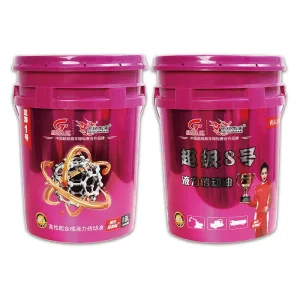
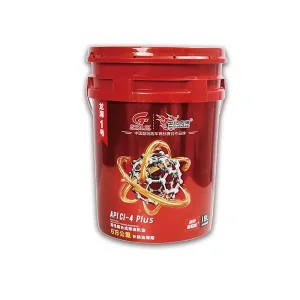
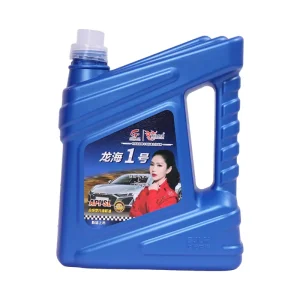
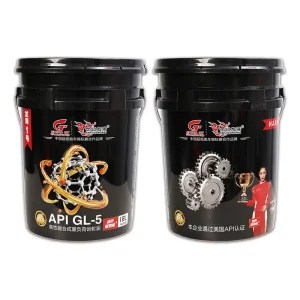
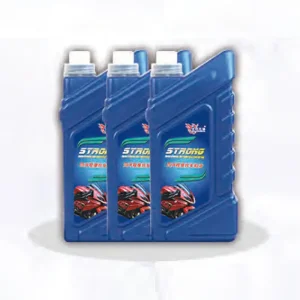
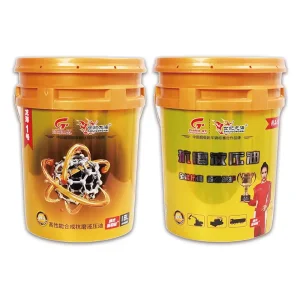
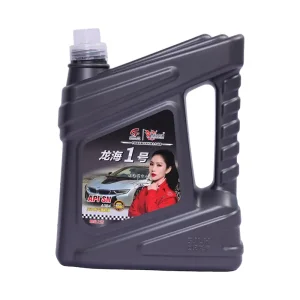
Established in 2009 and headquartered in Zibo, Shandong, Shandong Longhai Lubrication Technology Development Co., Ltd. is a high-tech enterprise integrating R&D, production, and sales. Deeply involved in the lubricant industry for over 15 years, the company has built a complete industrial chain system. Longhai owns the domestic brand "Century Longhai" alongside the international strategic brand "A Ba" series. Our products span a vast spectrum: diesel engine oil, gasoline engine oil, gear oil, hydraulic transmission oil, anti-wear hydraulic oil, special engineering machinery oil, natural gas engine oil, synthetic oil, automotive urea solutions, antifreeze, industrial oils, and high-performance turbine lubricants.
Longhai has constructed a state-of-the-art production base spanning 131 acres with an annual production capacity of 200,000 tons. Equipped with intelligent production lines and precision laboratories, we meet custom fluid formulations for diverse industrial markets. The brand is fully insured by PICC (China People's Insurance Company), providing absolute financial security and quality assurance.
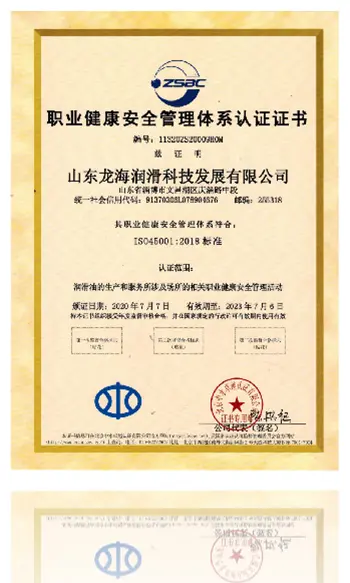
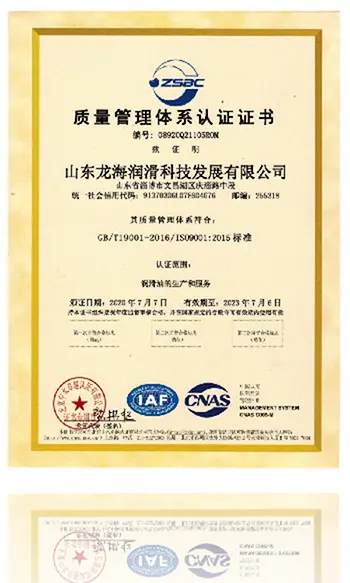
Reliability in the critical infrastructure lubrication market must be backed by authoritative quality credentials. Shandong Longhai Lubrication Technology has passed rigorous quality, environmental, and occupational safety system audits, obtaining ISO 9001:2015, ISO 14001, and ISO 18001 certifications. Our automatic transmission formulations have earned Mercedes-Benz approval, laying a foundation of technical credibility.
Our R&D team collaborates with top academic institutions and chemical research laboratories to develop specialized lubricants. Every batch of turbine oil is subjected to rigorous testing, including ICP element analysis, particle counting, and demulsibility checks. The results ensure compliance with equipment requirements and provide customers with comprehensive test reports to minimize operational risks.
Understanding environmental influences is key to designing high-performance formulations. Turbine oils must operate under different conditions based on location and application:
Tailored synthetic/semi-synthetic mixtures
Small scale to bulk packaging orders
ISO and laboratory verified test reports
Packaging design and technical support
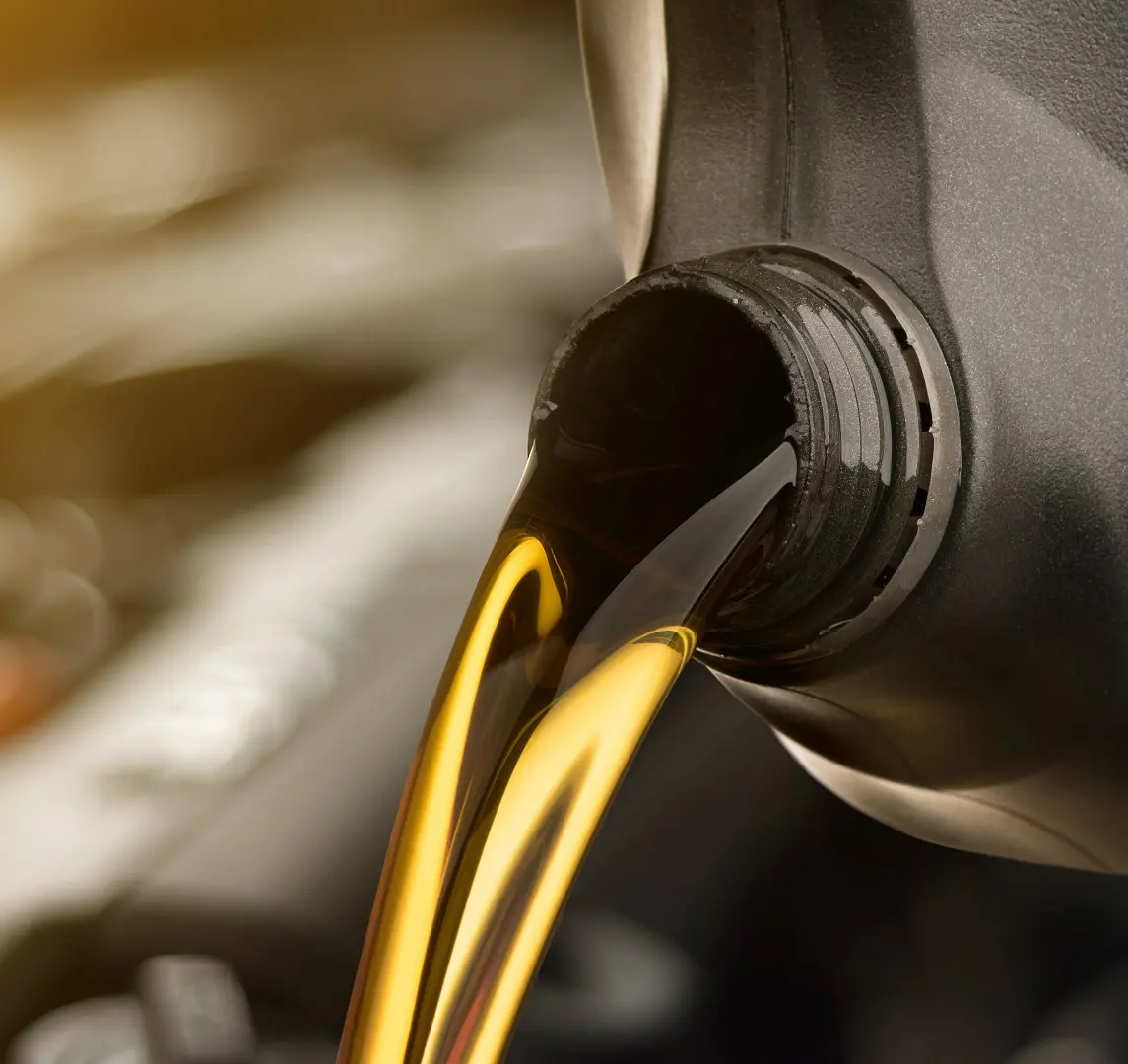
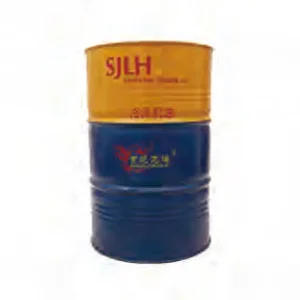
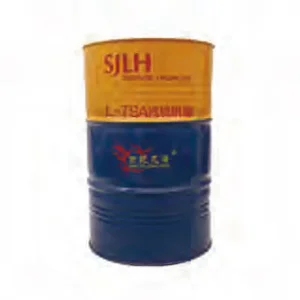
We develop tailor-made lubricant solutions that match the specific operating parameters, climate conditions, and local market targets of our international buyers. Our OEM/ODM service supports packaging size customization from 1L to 200L drums, with private labeling and documentation assistance to speed up your local product launches.
Whether you need turbine lubricants for steam generator units or custom diesel and motor oils, our engineering team is here to assist with formulation adjustment, testing, and production.

Consultation & specifications
Lab scale customization
Independent laboratory test
Automated mass production
Logistics & oil monitoring
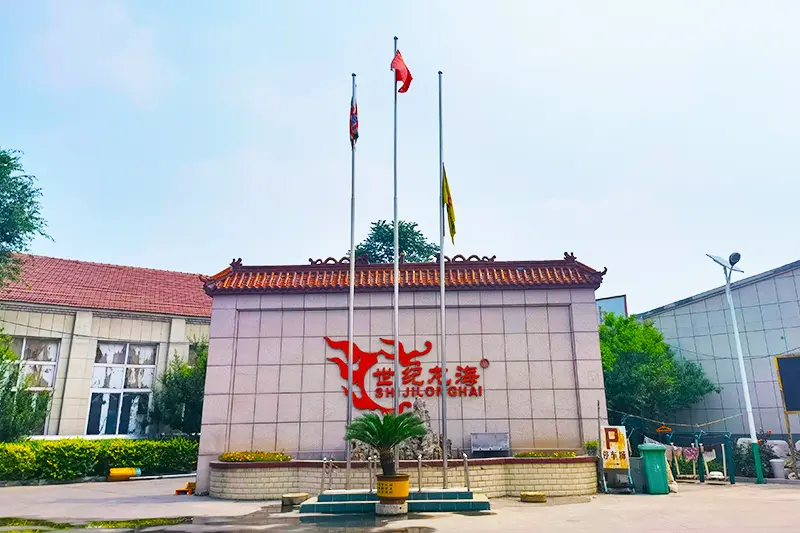
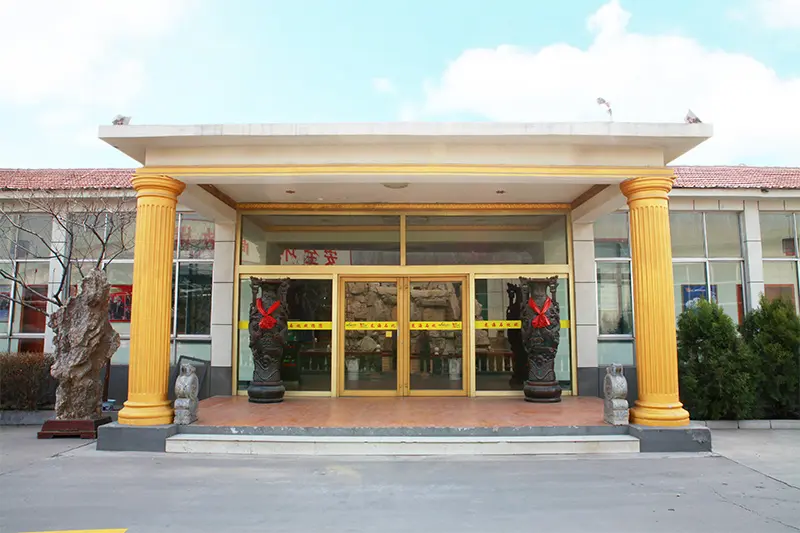
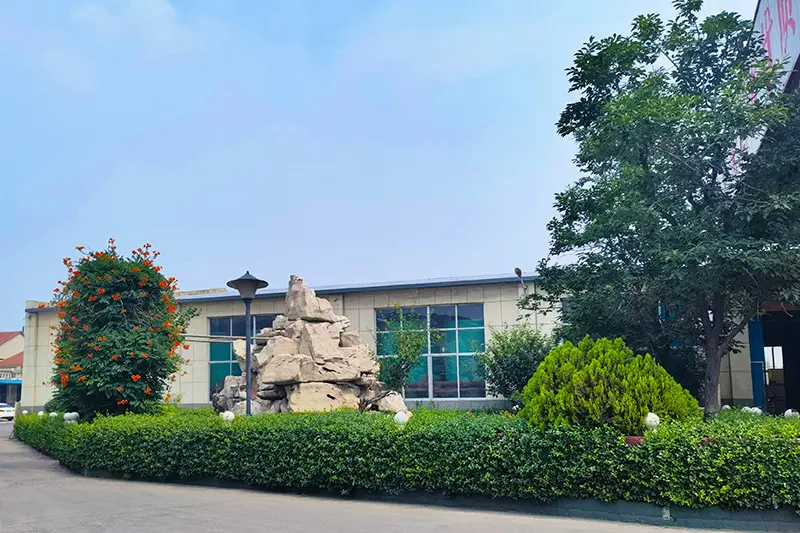
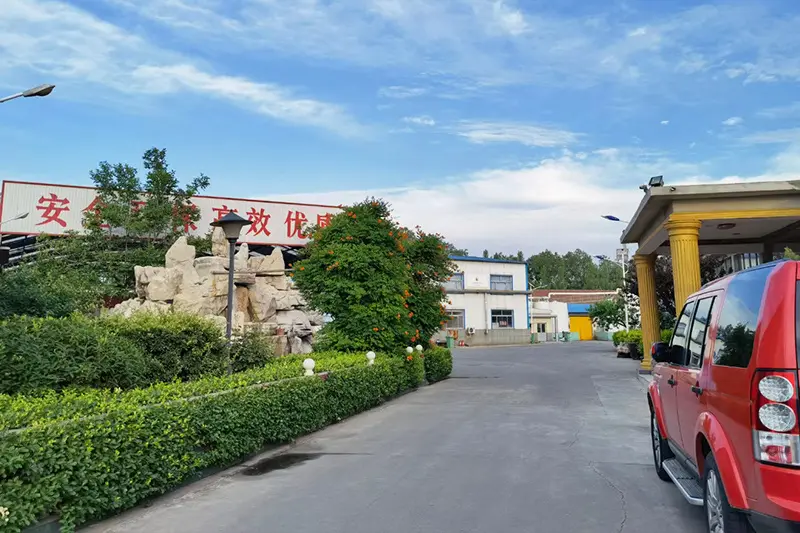
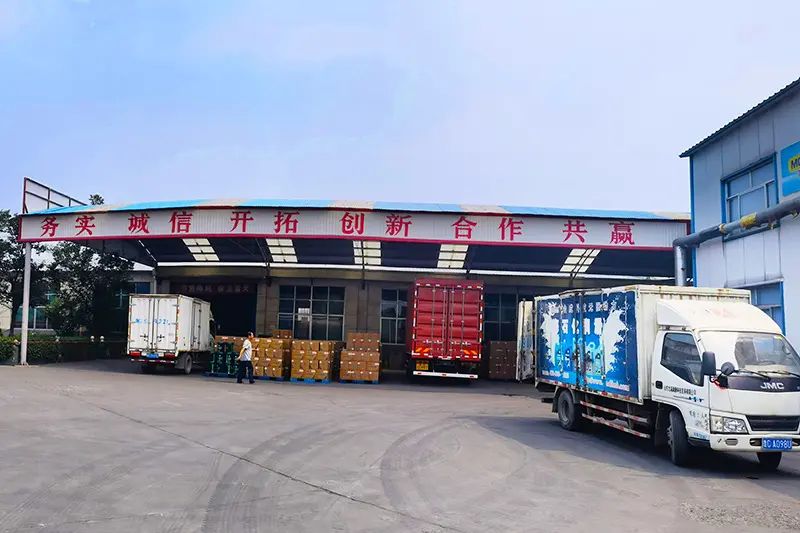
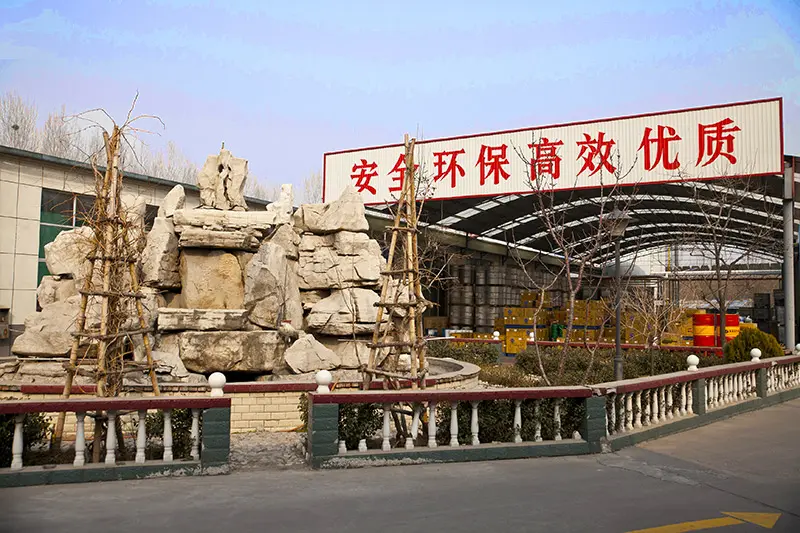
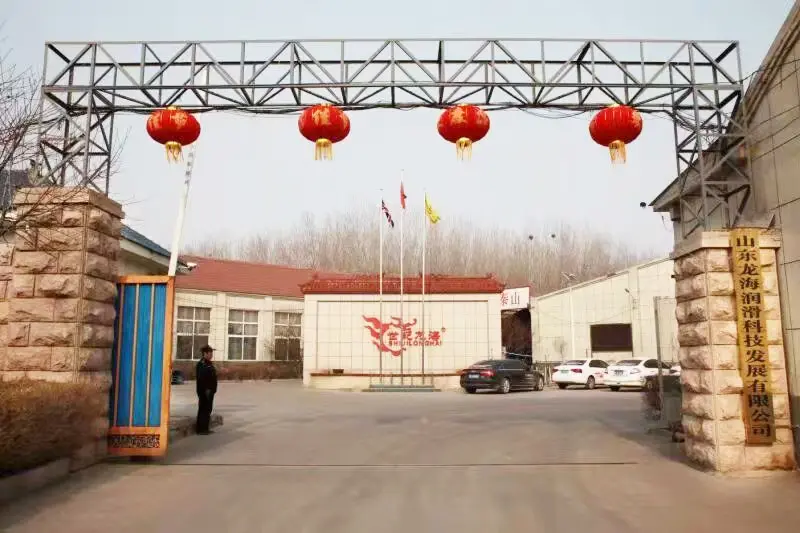
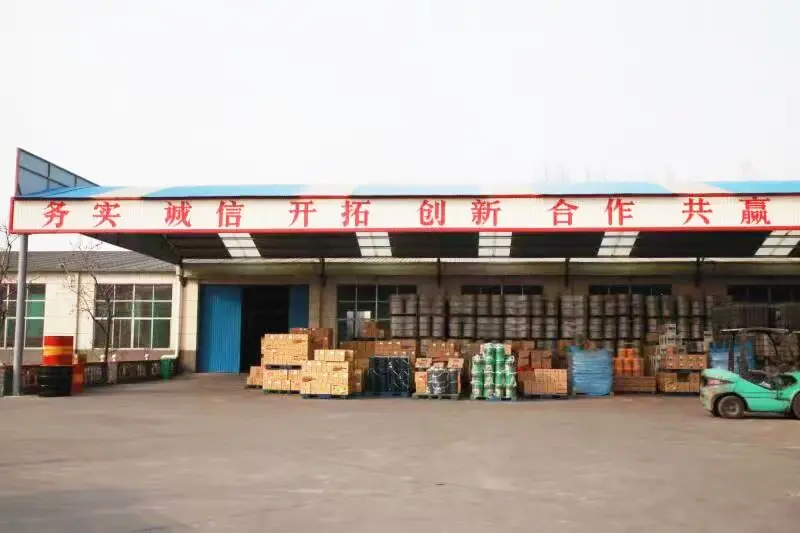
Transparency build trust. Below are actual views of our industrial facilities, testing equipment, and warehousing units in Zibo, Shandong.
A: Varnish is caused by the thermal and oxidative degradation of lubricants. Modern turbines expose lubricants to high heat and local hot spots, which leads to degradation products that are insoluble in Group II and III base oils. Over time, these breakdown products deposit on servo valves, filters, and bearing surfaces, causing system stiction and component wear. Our formulations utilize advanced ashless antioxidants to extend oil lifespan and reduce deposit formation.
A: Our Industry 4.0 plant in Zibo features highly automated batching systems that control ingredient weight and distribution within a 1‰ to 2‰ accuracy tolerance. Every production run undergoes physical-chemical parameter validation in our on-site laboratories, and retention samples from each batch are kept for quality tracking.
A: Yes, our technical team modifies synthetic and mineral-based formulations to meet international requirements, including DIN 51515, GEK 32568, and Siemens TLV 9013 specifications, ensuring compatibility with major turbine systems.
A: We test demulsibility according to ASTM D1401, tracking the oil's ability to separate from water at 54°C or 82°C. Fast separation prevents water from remaining emulsified in the oil, protecting the system from rust and maintaining reliable lubrication.
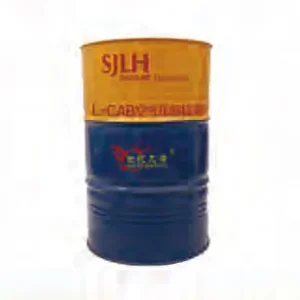
A: We offer flexible packaging options, including 200L steel drums and 1000L IBC tanks. Backed by Shandong's integrated logistics network, we ensure reliable delivery from Qingdao Port to global destinations.
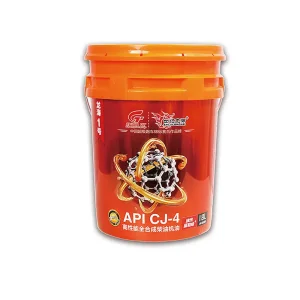
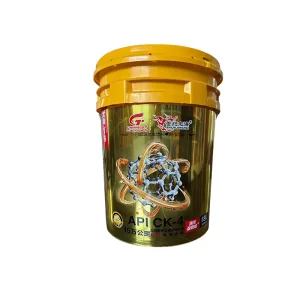
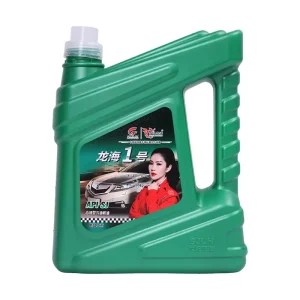
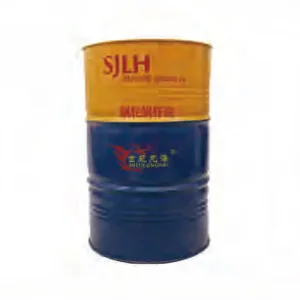
The corporate philosophy of Shandong Longhai is built on technical exploration, quality-driven growth, and efficiency. We recognize that high-performance lubricants are critical to keeping industrial systems running. In the future, we will continue to use technological innovation as our primary engine, work with partners worldwide, and deliver reliable lubrication products to power global industry.
For custom formulations, wholesale pricing, or direct technical support from our engineering department, contact our Zibo sales office to discuss specifications and delivery schedules.
 Longhai