Advanced formulated solutions engineered to reduce friction, extend overhaul intervals, and ensure maximum mechanical uptime across demanding global industries.
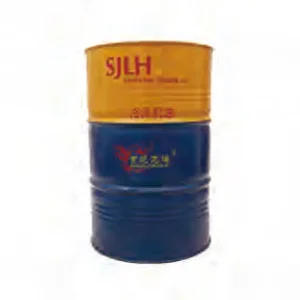
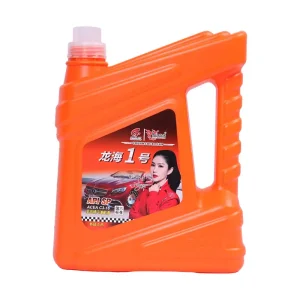
Understanding the critical engineering requirements of high-capacity turbine systems and the foundational chemistry required for continuous, reliable power generation.
Turbine engine oils operate under some of the most punishing thermal and physical stresses found in heavy industry. Unlike standard reciprocating engine oils, turbine oils must provide sustained lubrication over years, or even decades, of continuous service without breaking down. The baseline formulation relies heavily on ultra-pure base oils (API Group II, Group III, or synthetic Group IV PAO and Group V Esters) combined with highly specialized additive chemistries.
Key among these additives are ashless antioxidants (primarily alkylated diphenylamines and phenyl-alpha-naphthylamines), which inhibit the oxidation chain reactions that produce sludge and varnish. Rust and corrosion inhibitors are added to protect metal surfaces from water ingress—a common challenge in steam turbines where condensate leaks are a persistent operational risk. Furthermore, demulsibility performance remains a cornerstone metric: the oil must rapidly separate from water to prevent water-in-oil emulsions that degrade load-carrying capacities and cause component failure.
In high-performance industrial gas turbines, oil is subjected to localized hot spots that can exceed 300°C. Under these intense conditions, standard oils experience thermal cracking, leading to the formation of sub-micron degradation products. As the oil cools down in reservoirs or control systems, these insolubles drop out of solution, depositing as a sticky brown film known as varnish on critical hydraulic control valves and bearings.
Shandong Longhai Lubrication Technology Development Co., Ltd. addresses this challenge by utilizing advanced base stocks with high thermal-oxidative stability and custom-engineered dispersant packages. By maintaining the degradation precursors in suspension, our high-tier turbine oils prevent varnish build-up, maintaining precise governor valve responsiveness and preventing costly unscheduled turbine trips.
How Shandong Longhai turbine formulations adapt to extreme environments, from coastal combined-cycle power facilities to high-altitude remote wind farms.
In thermal power stations using natural gas, gas turbines operate alongside steam recovery systems. The lubricant must withstand high thermal stresses in the gas turbine bearings while simultaneously shedding water condensate effectively in the low-temperature steam turbine section. Our formulations deliver dual-performance profiles to streamline inventory and optimize overall system efficiency.
Coal and nuclear-powered steam plants demand massive steam turbines spinning at 3000 to 3600 RPM. Extreme load dynamics and water wash-out risks require exceptional film strength. Shandong Longhai’s turbine oils incorporate specialized film-forming anti-wear agents that preserve hydrodynamic lubrication layers, ensuring structural bearing integrity under continuous high loads.
Offshore and high-altitude wind turbine installations present severe maintenance hurdles. Lubricants must operate across ultra-wide temperature spectrums (-40°C to +50°C) and resist salt-spray corrosion. Our high-viscosity-index fully synthetic formulations ensure immediate low-temperature startup lubrication while preventing high-temperature shear degradation.
Exploring Shandong Longhai's 15-year industrial legacy, smart manufacturing infrastructure, and strict quality control standards.
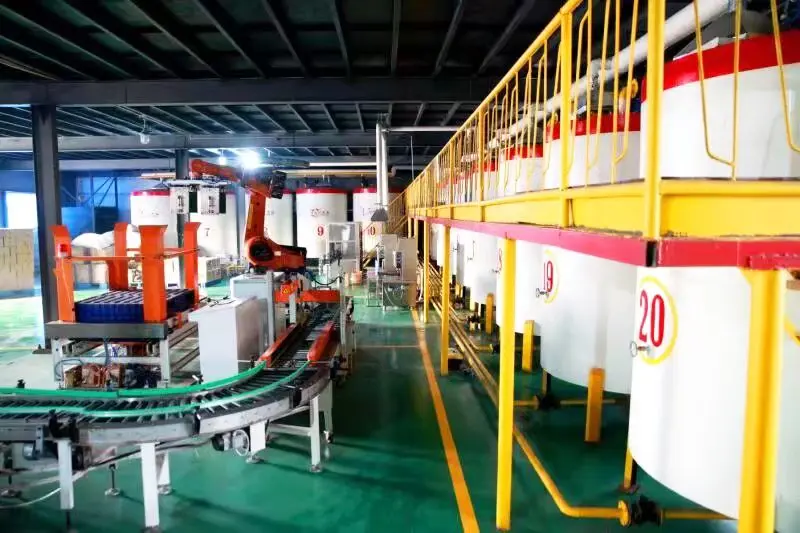
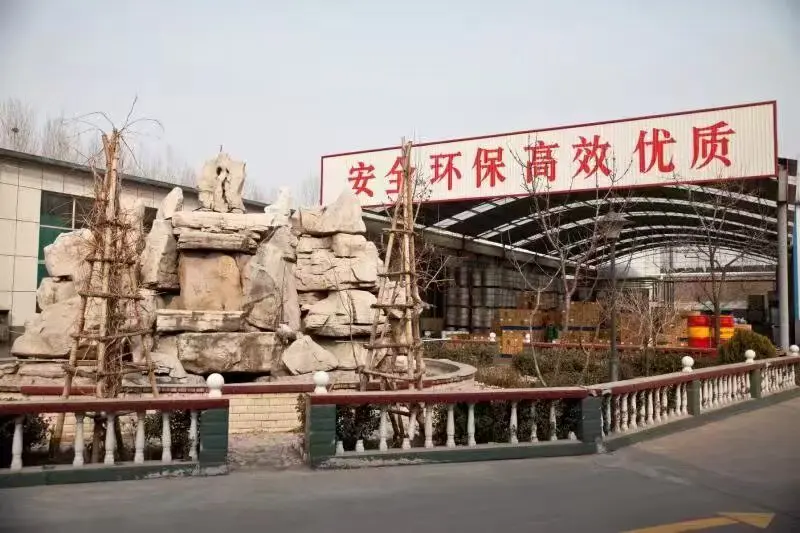
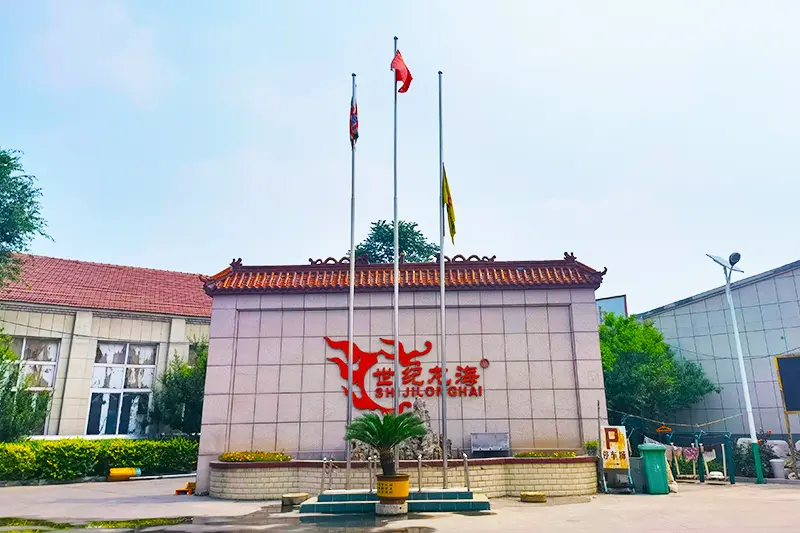
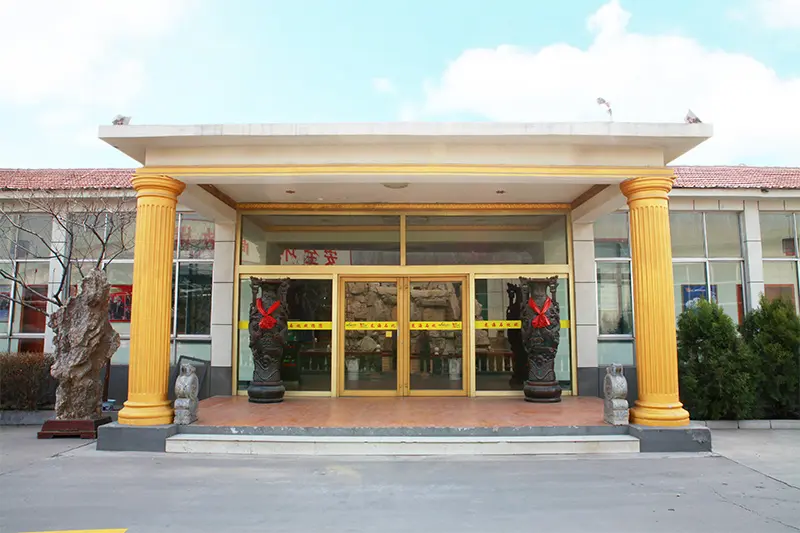
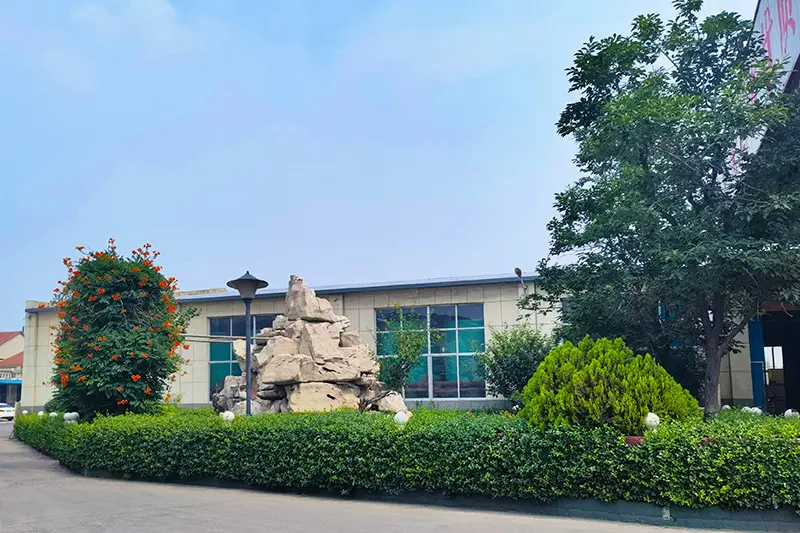
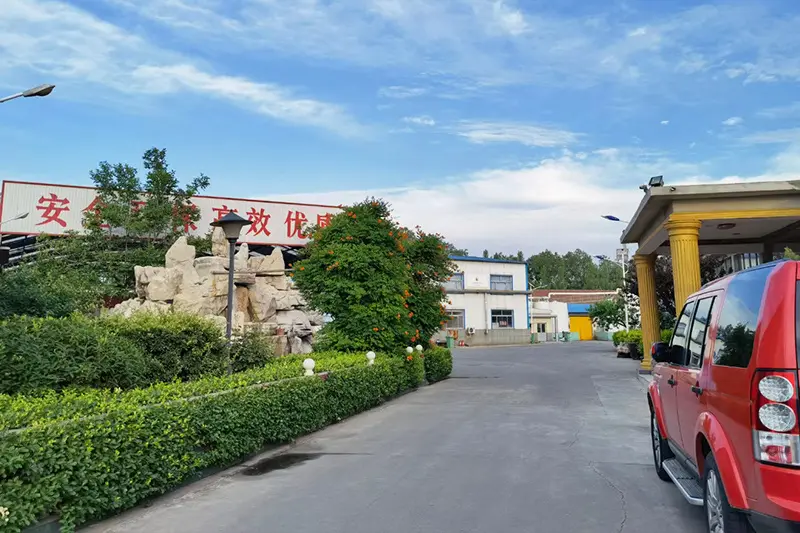
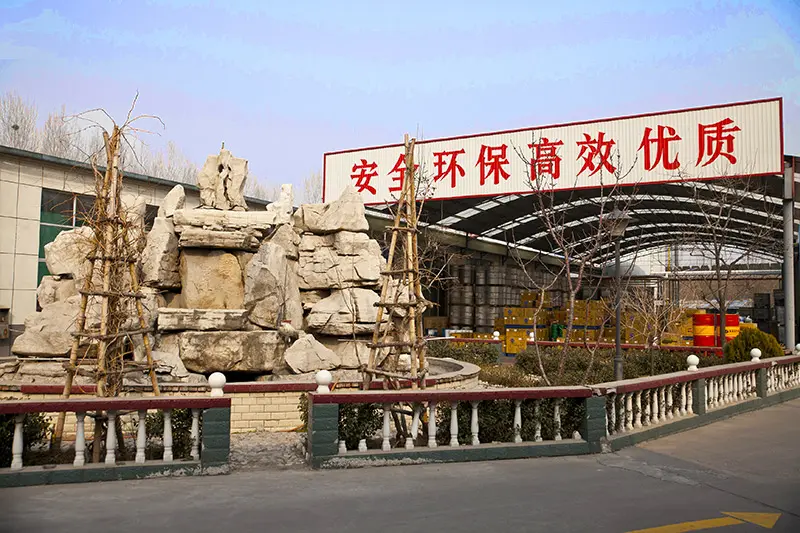
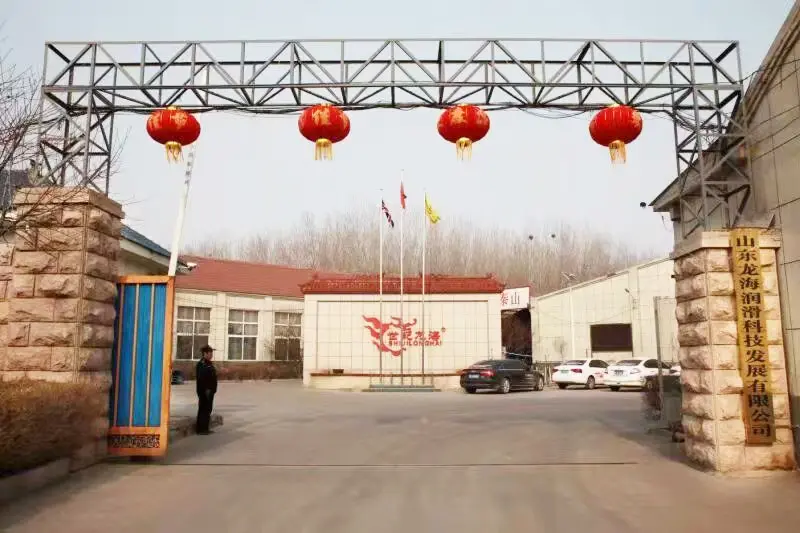
Established in 2009 and headquartered in Zibo, Shandong, Shandong Longhai Lubrication Technology Development Co., Ltd. has grown over more than 15 years into a leading high-tech enterprise integrating R&D, advanced blending, packaging, and international export logistics. Spanning an expansive production base of 131 acres, our facility holds a massive annual production capacity of 200,000 tons.
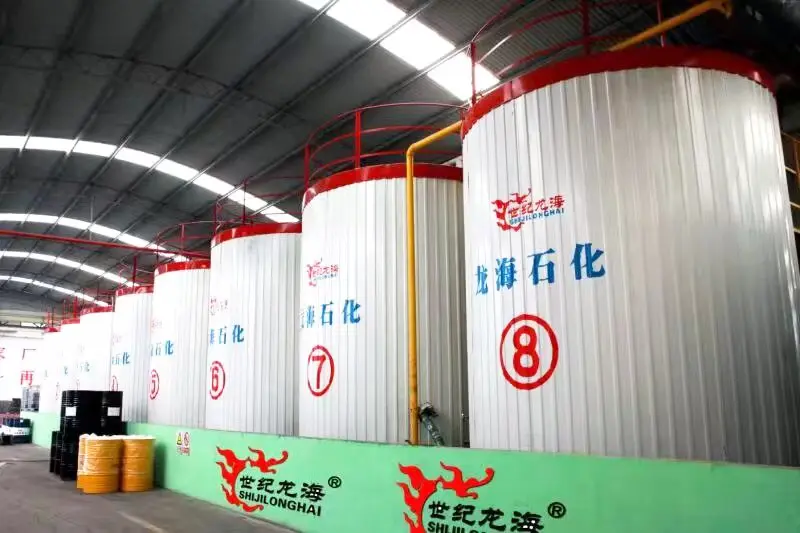
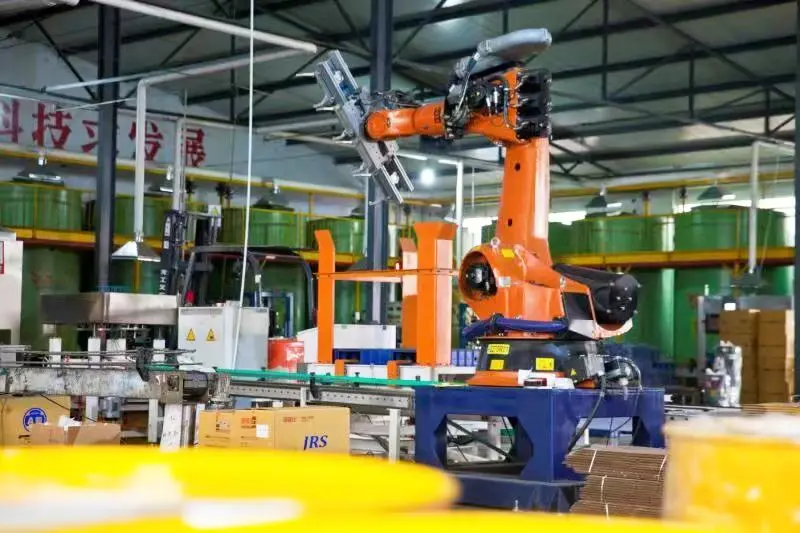
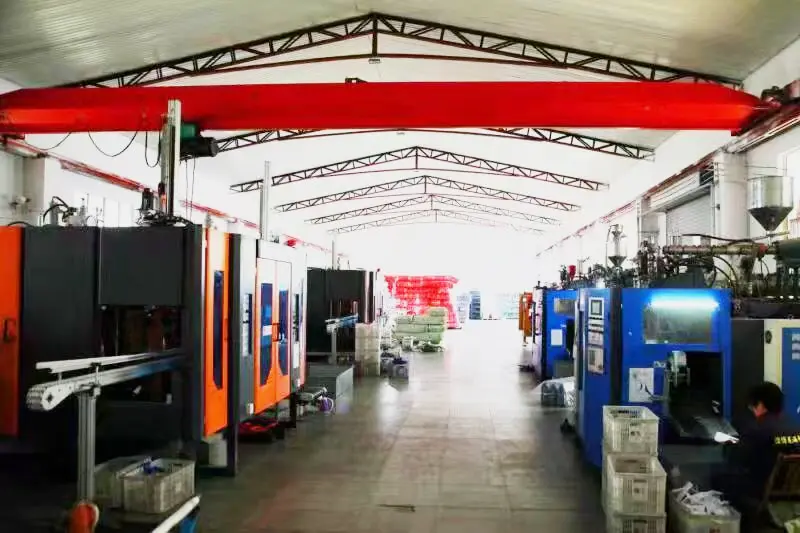
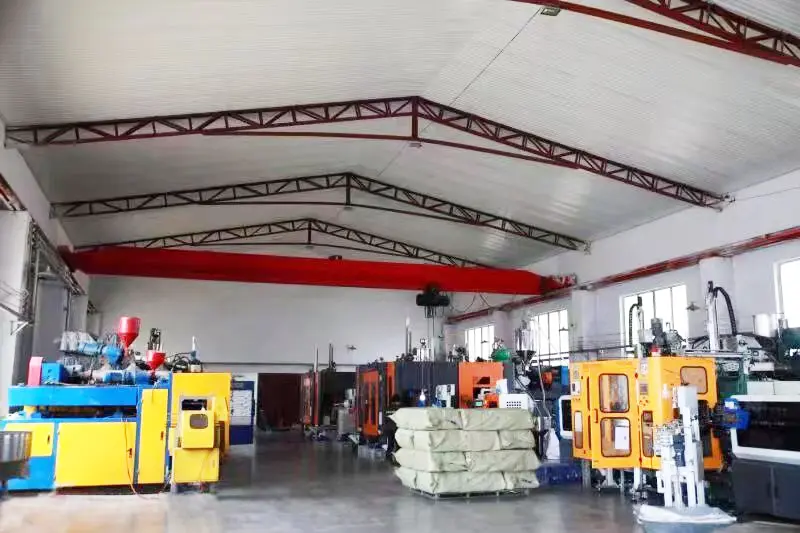
Our infrastructure is designed for high precision and zero-defect output. The fully automated blending plant features PLC-controlled dosing loops to ensure accurate ratio consistency down to 0.1% for additive concentrates. We service a national sales network spanning 139 cities across 29 provinces, alongside a dedicated international export pipeline shipping to global markets.
To support high-volume export contracts, our automated bottling and filling lines employ advanced volumetric metering principles. This system guarantees extreme filling precision of 1‰ to 2‰ deviation, protecting clients from volume discrepancies. Additionally, these automated systems improve filling speeds by 20% to 35% compared to conventional operations, guaranteeing prompt order fulfillment and minimizing supply chain lead times during global logistics crises.
Underwritten by premium global compliance structures to ensure dependable, high-performance operation in the field.
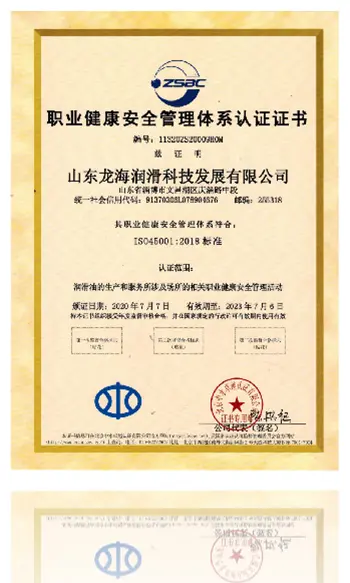
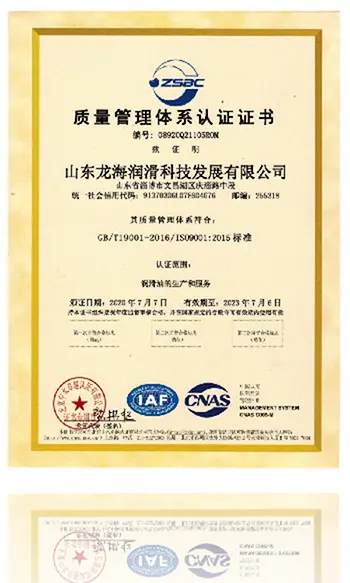
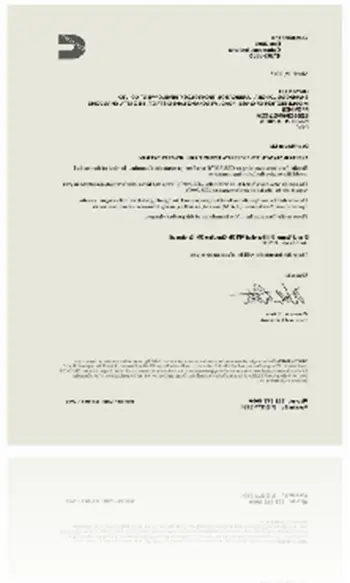
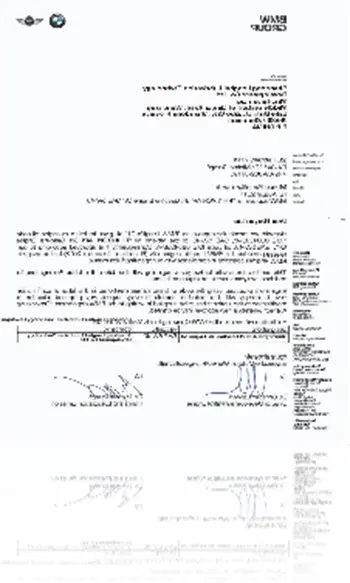
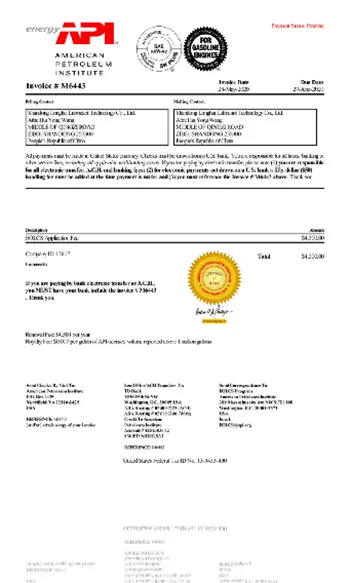
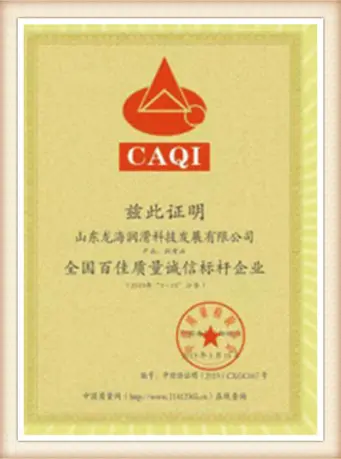
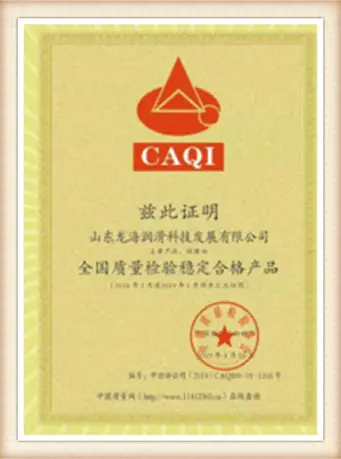
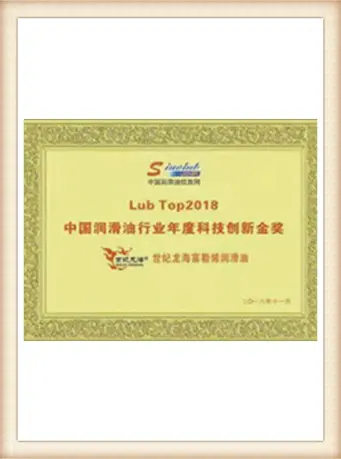
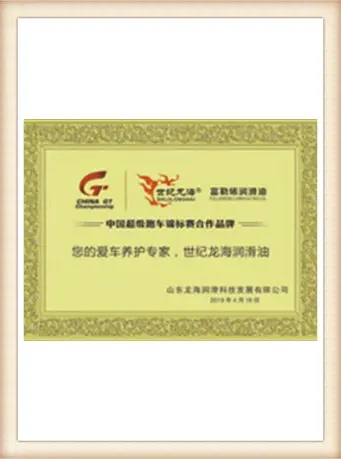
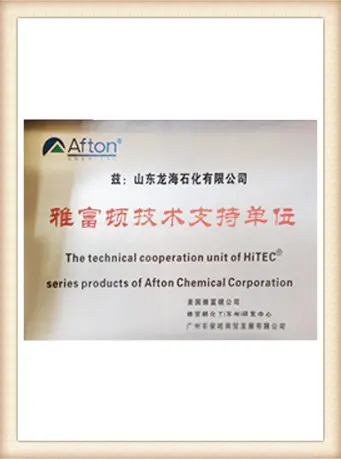
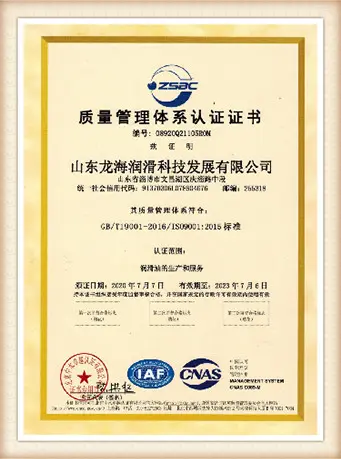
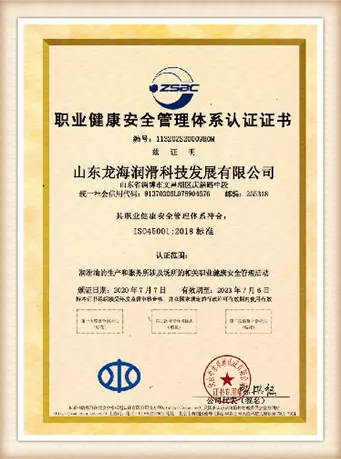
At Shandong Longhai, quality is the cornerstone of our manufacturing philosophy. The company operates under a strict Integrated Management System, having earned standard certifications including ISO 9001:2015 (Quality Management), ISO 14001:2015 (Environmental Management), and ISO 45001:2018 / OHSAS 18001 (Occupational Health & Safety).
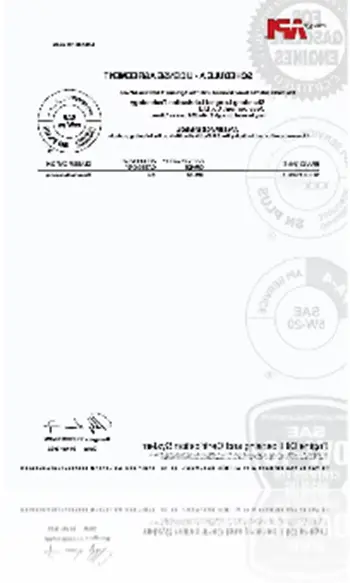
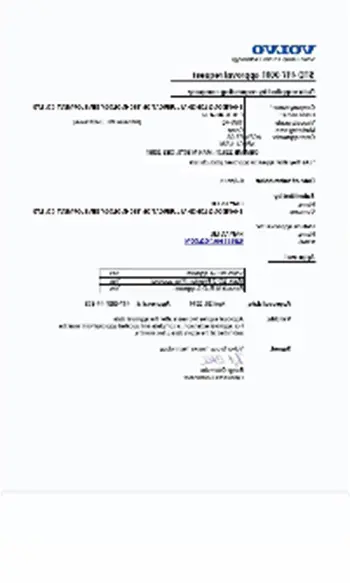
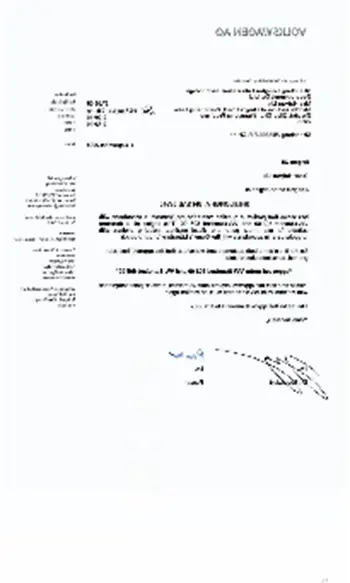
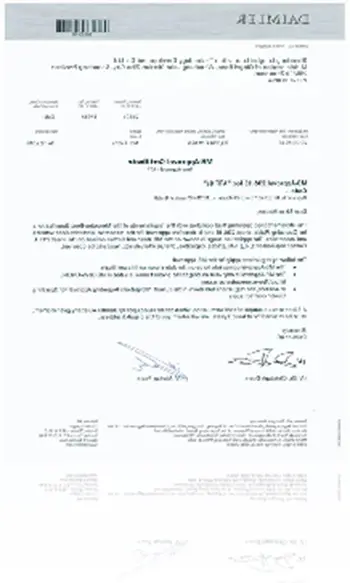
Furthermore, our automatic transmission products have received formal OEM approvals, including Mercedes-Benz certifications, validating our chemical engineering capability to meet strict global specifications. All products are insured by the People's Insurance Company of China (PICC), offering our international buyers an additional layer of transactional trust and risk mitigation.
From custom laboratory formulation to final bulk shipping, we provide end-to-end integration for global brands.
Every industrial market exhibits unique operational variables. Climatic profiles, specific fuel qualities, regional regulatory frameworks, and regional OEM preferences require customized lubricating formulations. Shandong Longhai provides deep OEM/ODM customization services to meet these specific needs.
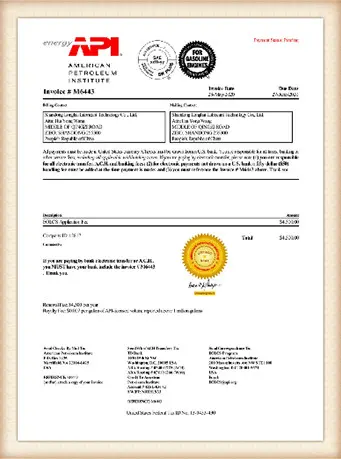
Our in-house Joint Innovation Center and fully equipped testing laboratories allow us to adjust viscosity index parameters, upgrade anti-wear profiles, adjust friction co-efficients, or customize color markers to align with your brand requirements. We supply both semi-synthetic and fully synthetic formulations compliant with global standards (API, ACEA, JASO, DIN, and ISO).
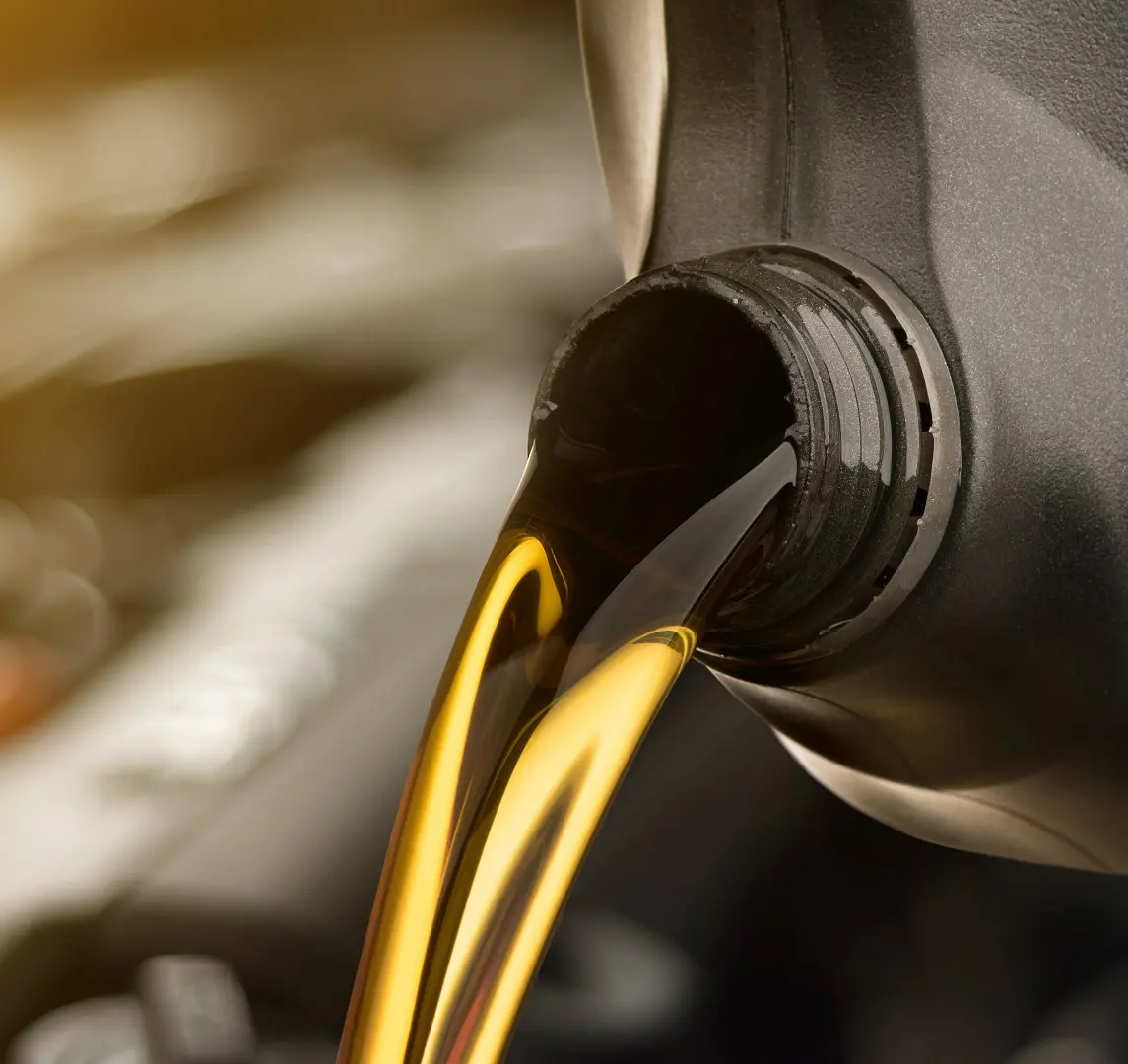
Fully synthetic and semi-synthetic lubricant formulations tailored to vehicle/equipment requirements, climatic conditions or market positioning to meet international standards such as API/ACEA.
Supports small-scale trial production to large-scale production, covering engine oil, transmission oil, industrial lubricants and other full categories, filling specifications are flexible and optional.
Certified by ISO 9001, IATF 16949, etc., provide authoritative third-party test reports to ensure product performance and compliance.
We offer packaging design, label printing and technical documentation support to help you build a premium brand image.
Demand Analysis

Formula Development
Sample Testing
Production Delivery
After-Sales Support
Showcasing our modern blending environment, research labs, and strict quality control stations.
Shandong Longhai allocates more than 5% of annual revenue to internal research and development. We collaborate with leading domestic universities and petrochemical research institutes to refine additive responses, enhance base oil purity, and engineer next-generation synthetic lubricants.
Our laboratory is outfitted with precision testing equipment, including inductively coupled plasma (ICP) spectrometers, gas chromatographs, automatic rotary bomb oxidation testers (RPVOT), and high-temperature high-shear (HTHS) viscometers. This testing suite allows us to analyze physical and chemical properties in real time, ensuring all outbound shipments meet or exceed international standards.
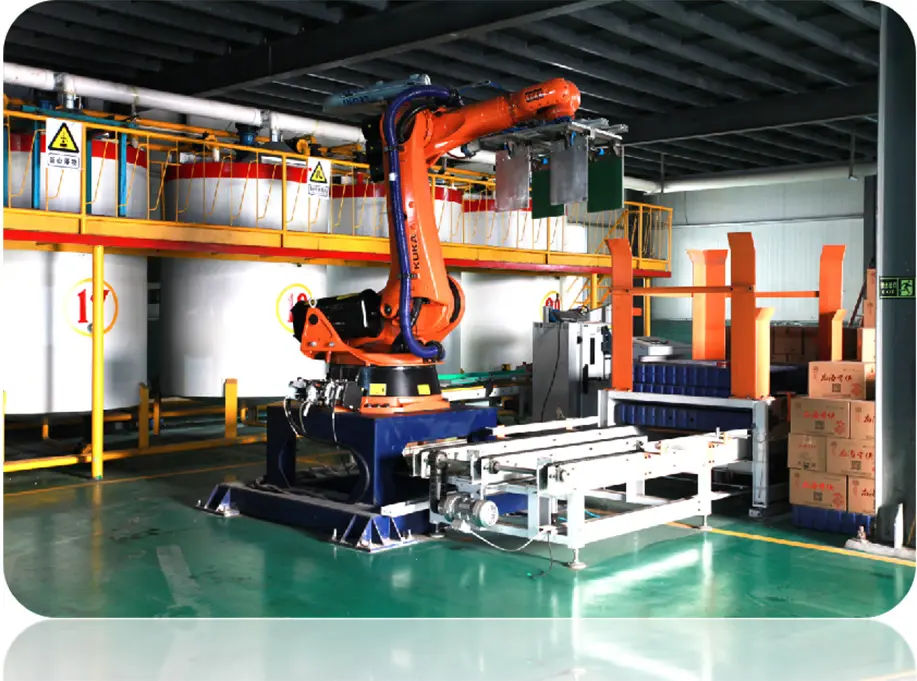
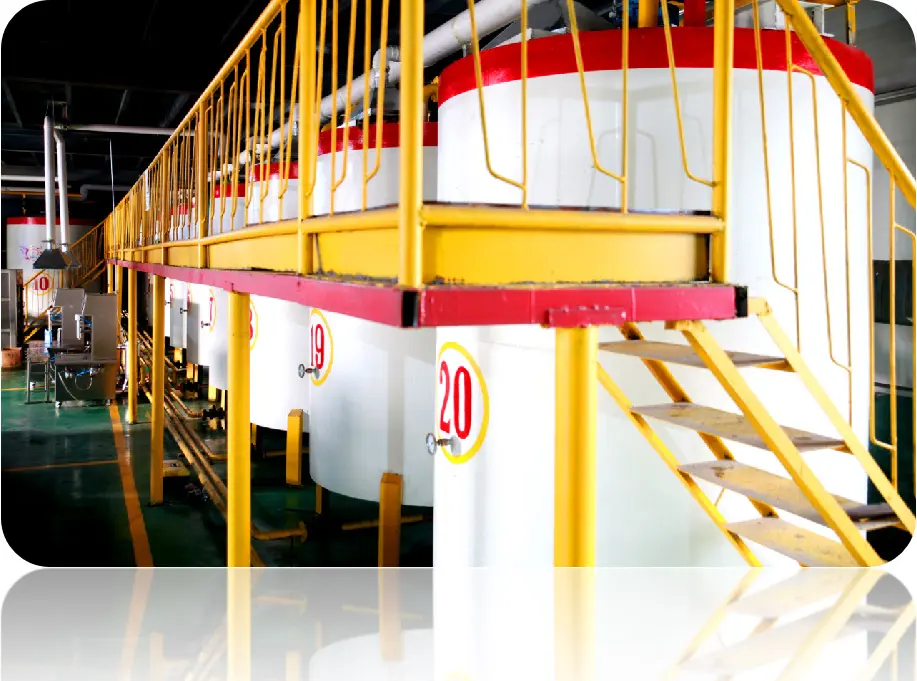
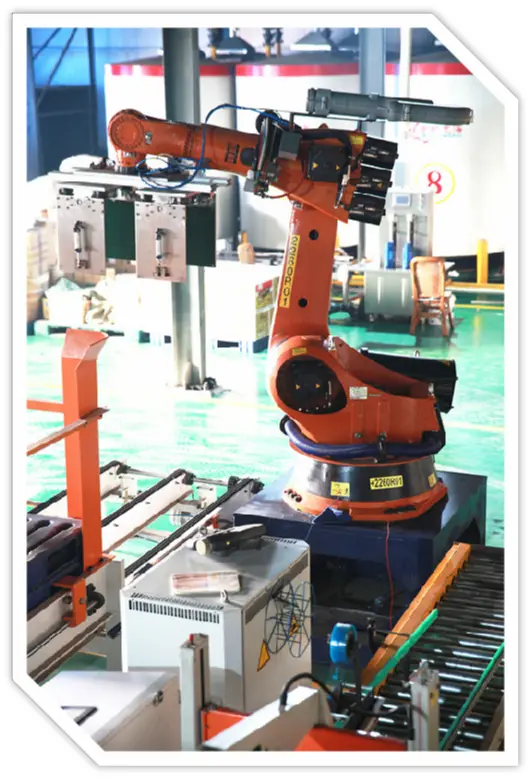
Navigating the changing regulatory and technical requirements of the international power generation and industrial sectors.
Global environmental mandates, such as the EU's REACH regulation and the EPA's VGP (Vessel General Permit), are driving the development of environmentally acceptable lubricants (EALs). For turbine operators near waterways or protected nature reserves, oil leaks present serious environmental and financial risks. Shandong Longhai is actively developing synthetic ester-based turbine fluids (HEES) that offer high biodegradability and low aquatic toxicity while maintaining the thermal and oxidative performance of mineral-based alternatives.
Additionally, we emphasize sulfur-free and low-ash chemistry, minimizing particulate generation in exhaust catalyst systems. This environmental focus helps industrial users satisfy both engineering specifications and strict national environmental standards.
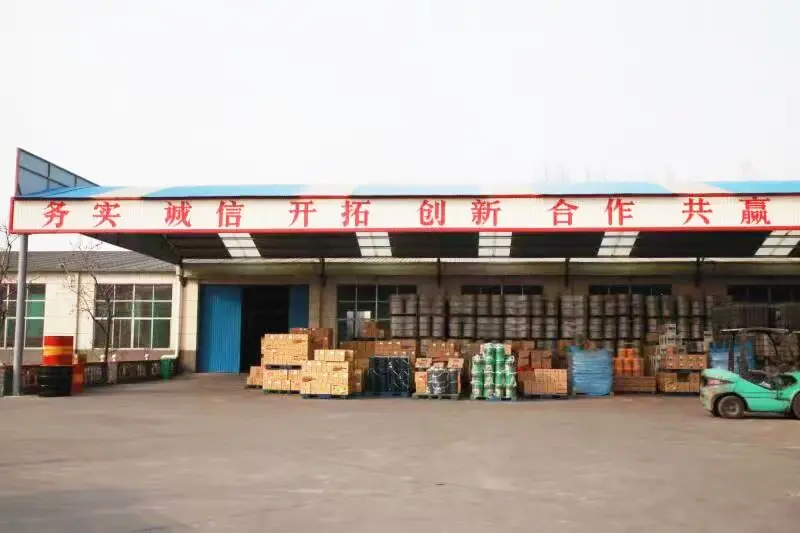
Industrial power facilities operate with tight supply schedules. A delay in receiving critical turbine lubricant refills can stall major construction or commissioning timelines. To prevent this, Shandong Longhai utilizes a streamlined export process. Situated in Shandong province, we benefit from direct access to major international deepwater ports like Qingdao, allowing for efficient container loading and reliable ocean shipping.
Our logistical systems integrate with modern ERP networks, offering real-time batch tracking and complete trace documents (including Certificates of Analysis and MSDS sheets) for every shipment. This system ensures consistent quality from our blending kettle directly to your plant reservoir.
Expert technical answers to common queries regarding turbine oil selection, varnish mitigation, and maintenance practices.
Varnish is caused by the thermal and oxidative degradation of the base oil, particularly under the localized hot spots common in high-efficiency gas turbines. To prevent it, select turbine oils formulated with high-purity Group II or Group III base stocks and advanced ashless antioxidants. Regular oil analysis using the Membrane Patch Colorimetry (MPC) test (ASTM D7843) is recommended to monitor varnish potential before deposits form on critical components.
Steam turbines are prone to water contamination from steam leaks and condensation. If the lubricant cannot shed water quickly, it forms an emulsion that reduces film strength, promotes rust, and accelerates oil oxidation. High demulsibility, measured via ASTM D1401, ensures that water quickly separates from the oil in the reservoir, allowing it to be drained off and preserving the oil's protective properties.
Group II and Group III base oils undergo hydroprocessing, which removes virtually all aromatics, sulfur, and nitrogen compounds. This results in higher thermal stability, better oxidation resistance, and longer service life compared to older Group I oils. While Group I oils are still used in older, lower-temperature systems, modern high-temperature turbines require the performance of Group II, Group III, or synthetic formulations.
Mixing different turbine oils is generally not recommended, as different additive packages may react and lead to issues like additive precipitation, increased foaming, or reduced demulsibility. If top-off or mixing is necessary, compatibility testing (such as ASTM D7155) should be performed by a qualified laboratory to ensure the mixture maintains its performance properties.
We provide full-service support, including custom formulation development in our laboratories, flexible packaging and labeling, quality certifications, and secure shipping logistics. This allows clients to receive customized lubricants tailored to their specific market requirements, climate conditions, and OEM standards, all backed by our ISO-certified facilities.
We utilize fully automated, PLC-controlled blending systems that measure and mix base oils and additives to precise weight tolerances (within 1‰ to 2‰). Every batch is tested in our quality control lab prior to packaging, and reference samples are retained to ensure full traceability and consistent quality for all shipments.
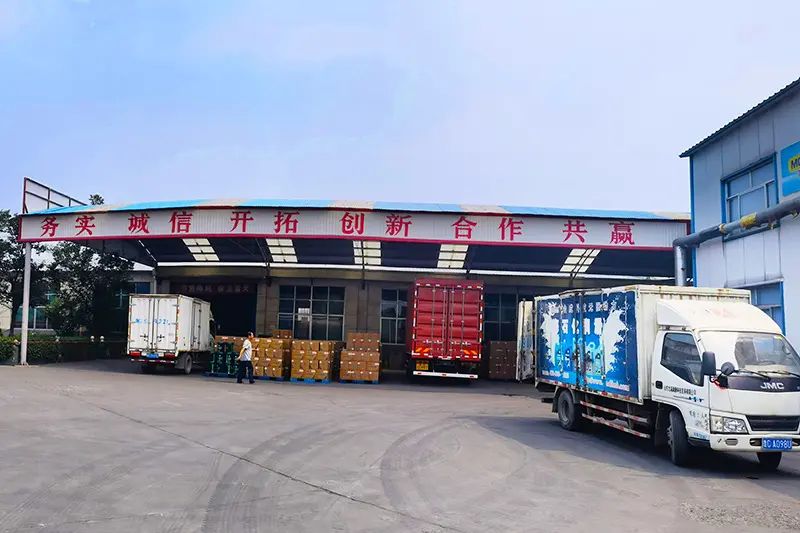
A closer look at our blending systems, warehouses, and shipping operations.
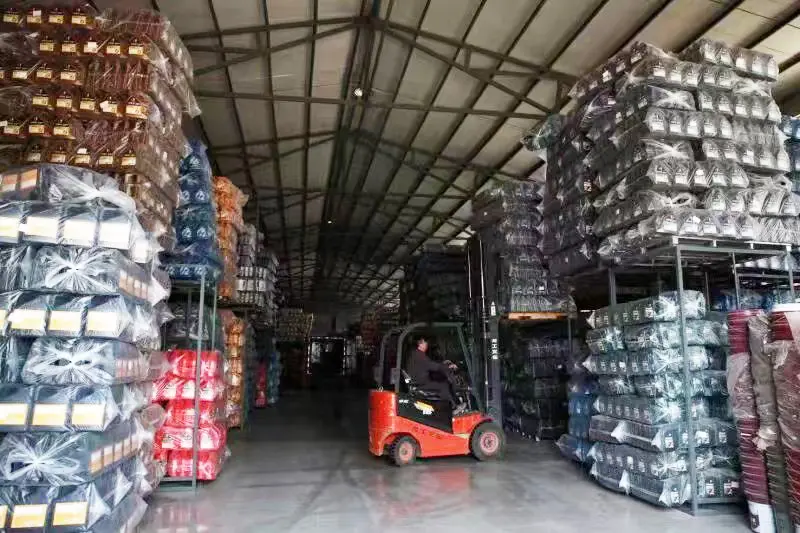

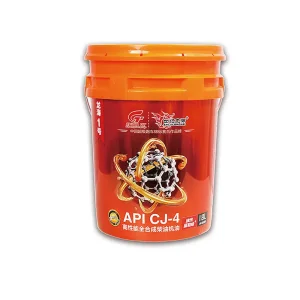
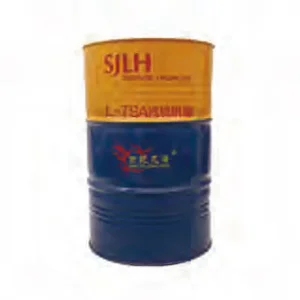
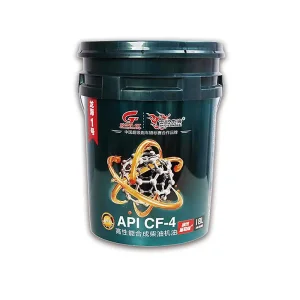
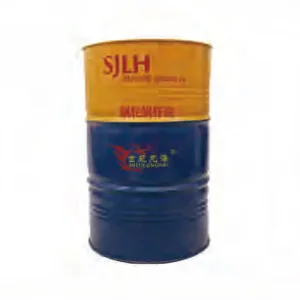
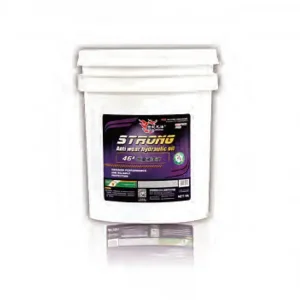
High-performance lubricants formulated for heavy-duty diesel engines, industrial gearboxes, and specialized hydraulic systems.
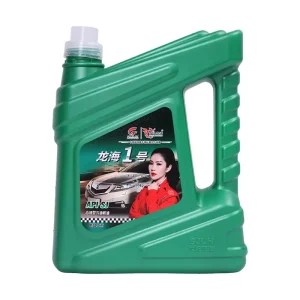
 Longhai