Explore our premium range of industrial-grade formulations engineered to deliver superior protection and wear resistance under extreme operational thresholds.
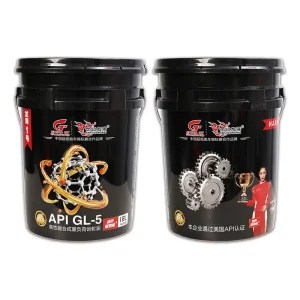
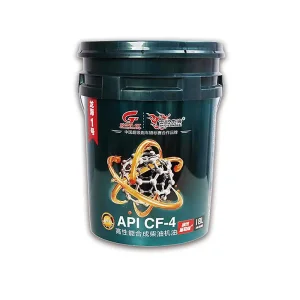
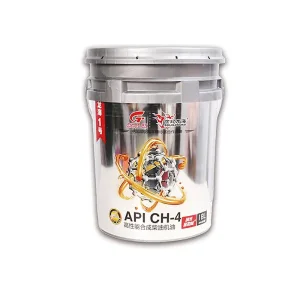
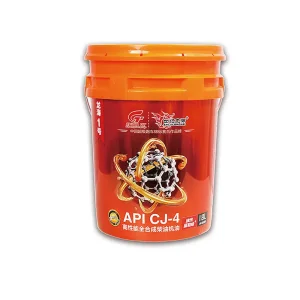
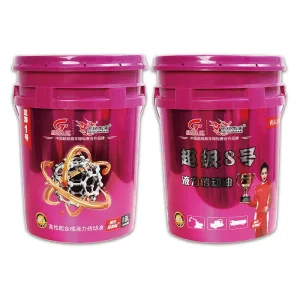
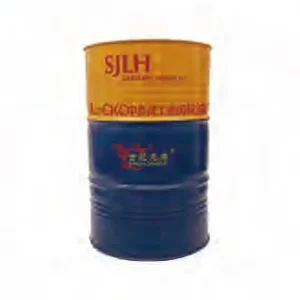
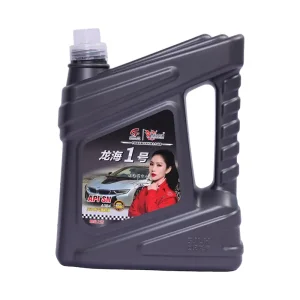
A deep tribological analysis of reciprocating compressor thermal stresses, deposit control, and base oil selection criteria.
Unlike rotary screw counterparts that operate under continuous, hydrodynamic shear with relatively stable temperature gradients, reciprocating (piston) air compressors generate extreme localized thermal stresses. During the compression stroke, the gas volume is compressed adiabatically, creating discharge temperatures that frequently exceed 180°C and can peak as high as 220°C in multi-stage configurations.
This harsh environment places immense burdens on the lubrication film. The oil must concurrently lubricate the crankcase bearings (via splash or pressurized feed) and the upper cylinder wall/piston rings. In the cylinders, the lubricant is exposed directly to hot compressed air, creating a high-oxygen, high-temperature environment that rapidly accelerates hydrocarbon oxidation.
Under continuous thermal stress, standard mineral lubricants undergo thermal cracking and oxidation polymerization. This chemical shift leads to the formation of heavy carbonaceous deposits (varnish and coke) on the critical discharge valves. The consequences of this buildup are severe:
To mitigate these operating risks, a premium piston compressor lubricant must possess exceptionally low Conradson Carbon Residue (CCR) values and conform strictly to standards such as the DIN 51506 VDL specification.
At the top dead center (TDC) of the piston stroke, velocity drops to zero, temporarily transitioning the lubrication regime from hydrodynamic to boundary lubrication. Here, the lubricant film thickness is at its absolute minimum. Only advanced anti-wear (AW) additive chemistry combined with high Viscosity Index (VI) base stocks can prevent metal-on-metal contact between the piston rings and cylinder liner, preventing scuffing, wear, and subsequent pressure blow-by.
Strategic manufacturing scale, precision blending, and technological infrastructure based in Zibo, Shandong.
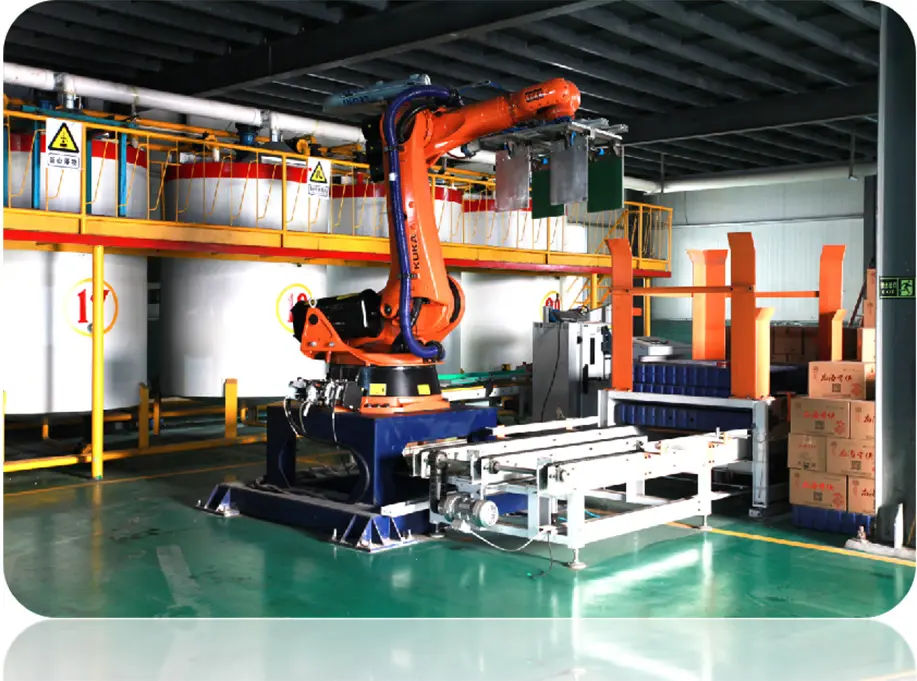
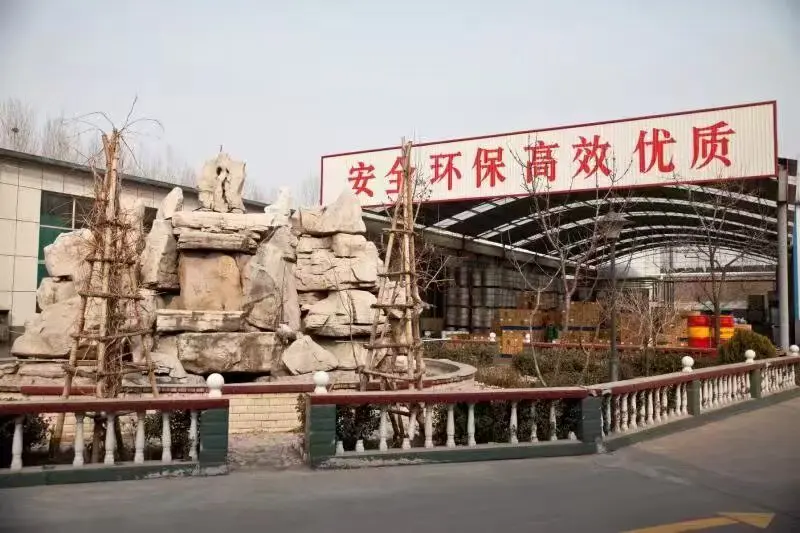
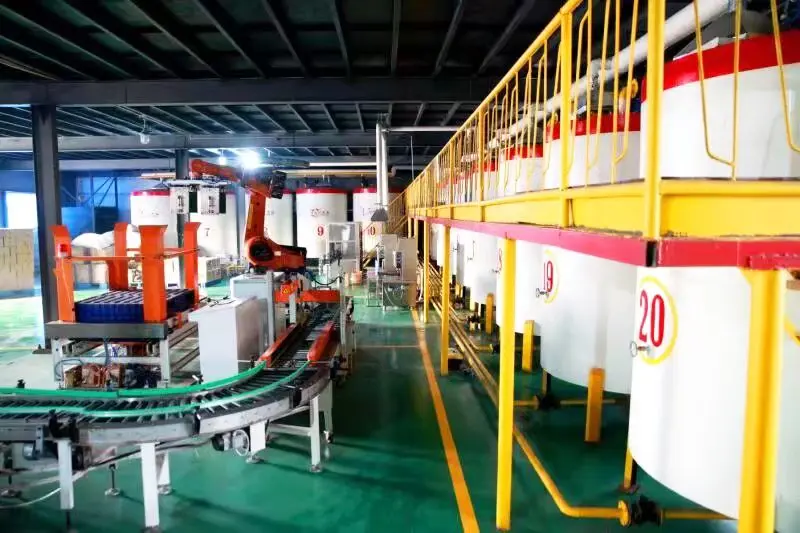
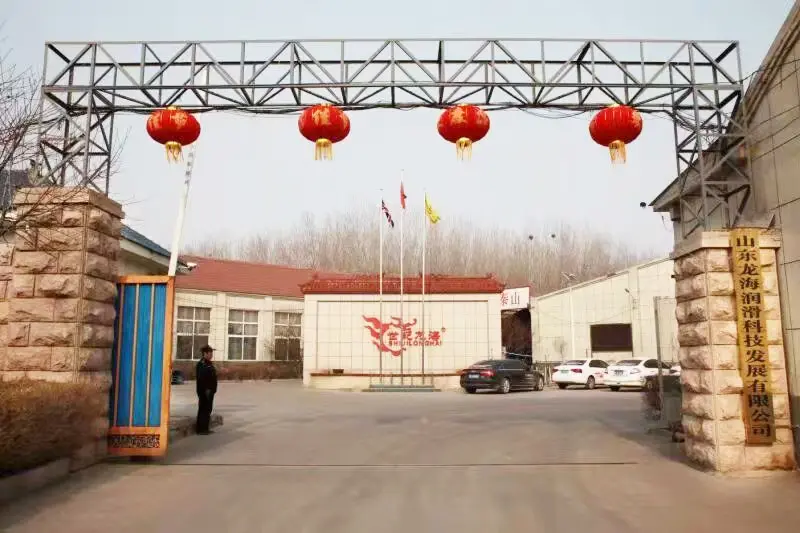
Shandong Longhai Lubrication Technology Development Co., Ltd. (est. 2009) operates a state-of-the-art 131-acre manufacturing campus in Zibo, Shandong, generating an annual capacity of over 200,000 metric tons of premium lubricants. This massive scale provides significant benefits to our global partners:
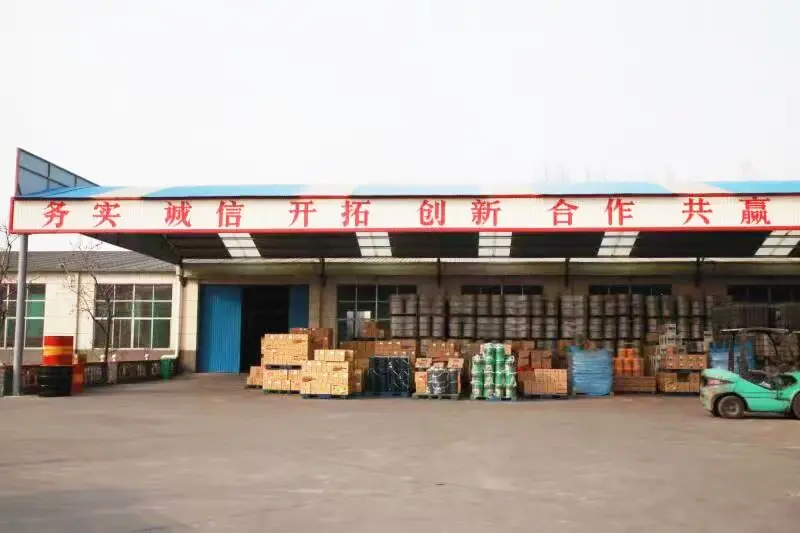
Our strategic location near major shipping corridors allows us to optimize export logistics, facilitating fast shipping to over 139 cities domestically and key markets globally.
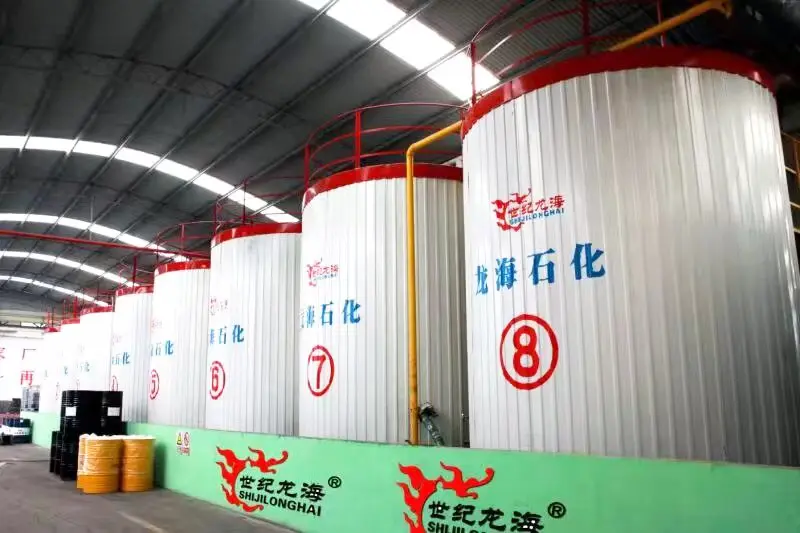
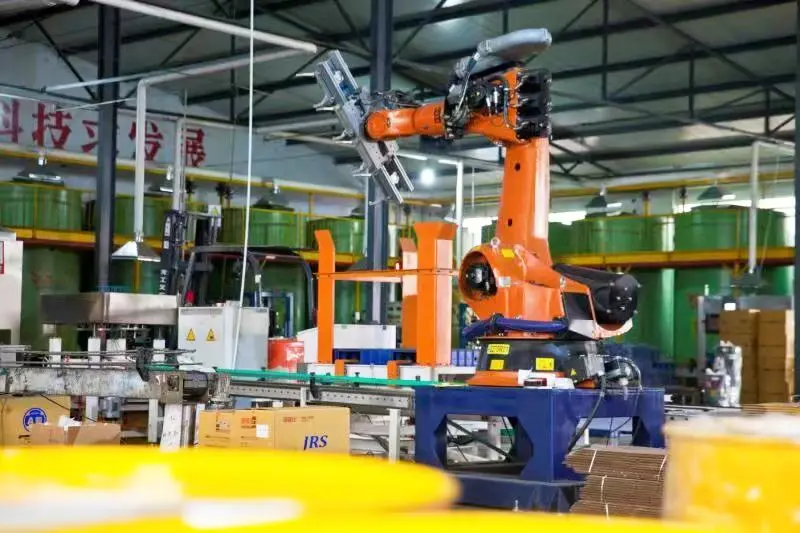
Our factory is equipped with advanced automated blending systems and fully digital filling lines. Using metering technology, we maintain a filling accuracy tolerance of 1‰ to 2‰.
This minimizes product waste and guarantees consistency. By upgrading our automation, we have boosted line throughput speeds by 20% to 35%. This translates directly into shorter lead times, enabling us to handle bulk orders and meet tight shipping schedules.
Leverage our advanced laboratory facilities and formulation expertise to build and package your brand's unique lubricant solutions.
We develop fully synthetic (PAO, PAG, POE) and semi-synthetic lubricant formulations tailored to extreme temperatures, hostile gas environments, and precise international specifications (API, ACEA, DIN).
Whether you require short-run regional testing batches or continuous high-volume supply, our systems scale to your dynamic packaging, container sizes, and labeling requirements.
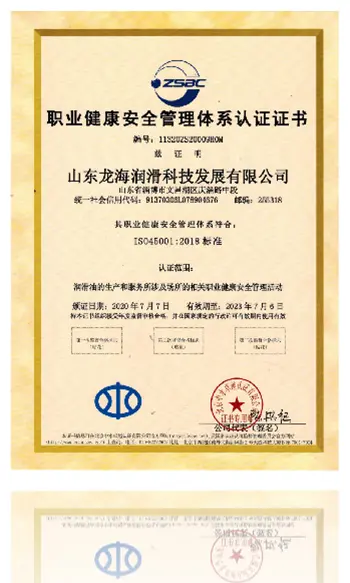
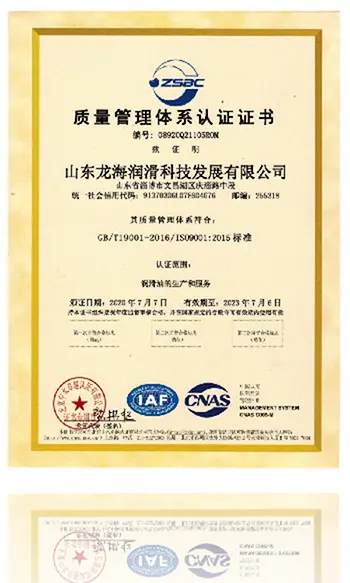
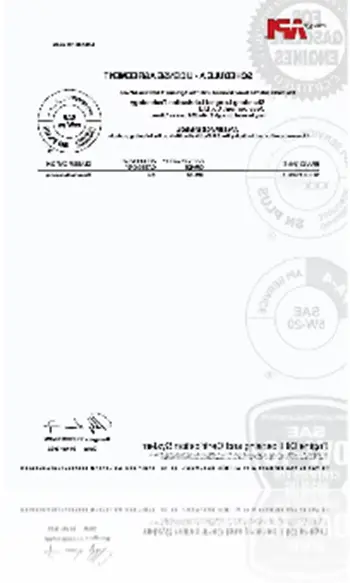
Backed by ISO 9001, 14001, and 18001 certifications, every batch undergoes thorough third-party and in-house laboratory verification prior to dispatch.
Determine target viscosity, base stocks, and standard approvals.

Synthesize and optimize additive packages in our local labs.
Subject fluid to thermal degradation and wear testing.
High-speed automated blending and precision packaging.
Ongoing fluid analysis and logistical support.
Uncompromising quality verified through comprehensive international standards and underwritten safety profiles.
Our manufacturing practices and operational frameworks are fully certified under the following globally recognized management structures:
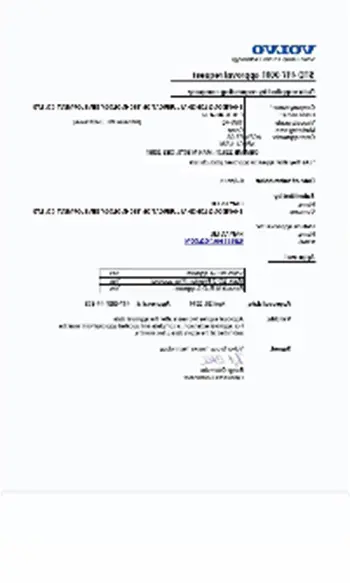
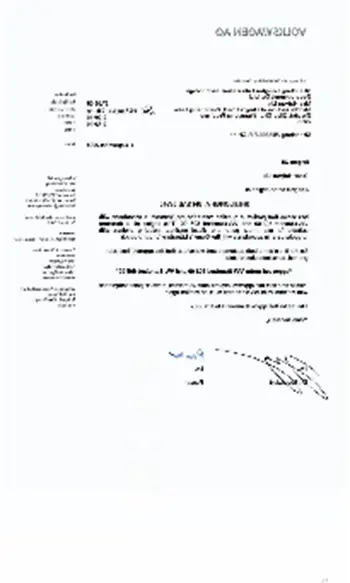
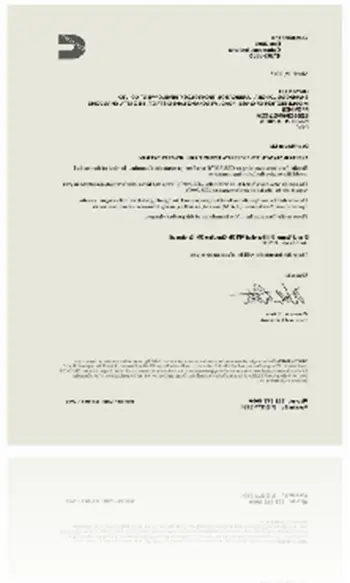
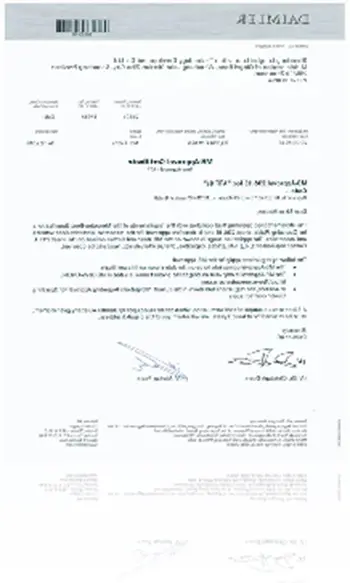
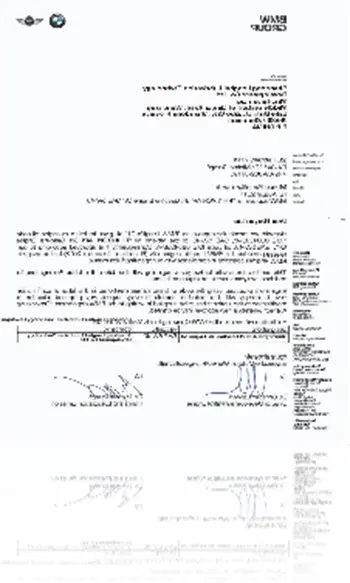
Additionally, our high-performance transmission products have received official Mercedes-Benz approvals, demonstrating our capability to meet stringent OEM engineering demands.
Trust is built on security. Shandong Longhai's lubricant portfolios are insured globally by PICC (People's Insurance Company of China). This insurance covers product liability, providing peace of mind for international buyers and distributors.
We back our formulations with batch-specific Certificates of Analysis (COAs), guaranteeing traceablity from raw base oils to the final packaged product.
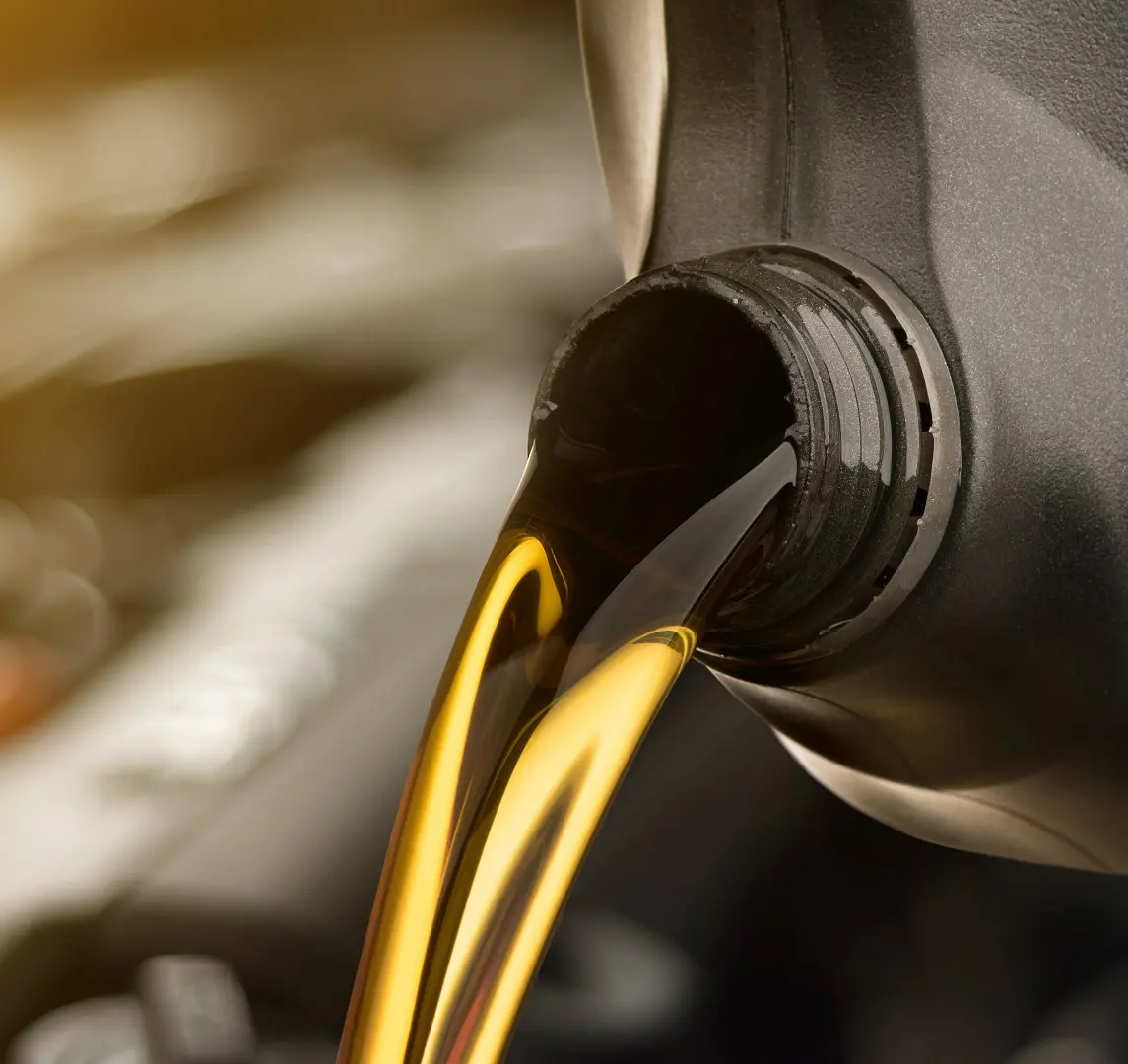
Engineered for reliability in heavy industries, high-pressure networks, and hostile environments.
Our reciprocating compressor oils prevent polymerization and hydrocarbon dilution during the compression of sour gas, natural gas, and technical process gases, ensuring steady uptime in critical environments.
High-pressure piston compressors used in PET blowing demand exceptionally clean compressed air. Our synthetic oil options prevent oil carryover, ensuring the final blow-molded containers remain contaminant-free.
Operating under humid, saline conditions, marine starting air compressors demand lubricants with strong demulsibility and anti-corrosion properties to prevent rust and system wear.
Expert answers addressing the selection, handling, and operation of reciprocating compressor lubricants.
The DIN 51506 standard classifies lubricants based on their performance under air heating tests. The VDL group represents the highest rating, indicating the oil is formulated with premium base stocks and anti-oxidants to withstand oxidation and carbon build-up on the discharge valves at temperatures up to 220°C.
Mineral oils are suitable for light-to-medium duty cycles with discharge temperatures below 150°C. For continuous heavy industrial applications, multi-stage systems, or high discharge temperatures, synthetic oils (PAO or ester-based formulations) provide superior thermal stability, extended oil drain intervals (up to 4,000+ hours), and significantly lower deposit formation.
Piston compressors generate moisture condensation in the cylinders during cycling, especially in humid climates. Lubricants must separate water quickly. Poor demulsibility can lead to emulsification, which degrades the oil film, accelerates wear on cylinder walls, and promotes internal rust formation.
Our Zibo plant employs automated metering units. This tech achieves a tight 1‰ to 2‰ filling accuracy, ensuring uniform packaging volumes and reducing variations across production batches.
Explore our complete engineering catalog, including transmission fluids, specialized gear oils, and anti-wear hydraulic solutions.
 Longhai