Advanced Industrial Formulations Engineered for Ultimate System Protection
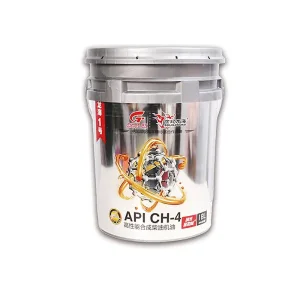
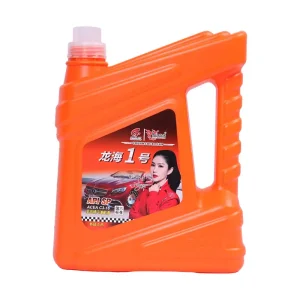
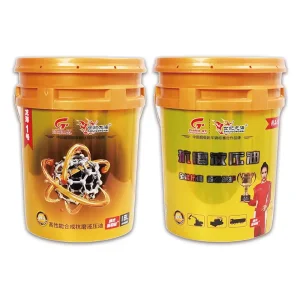
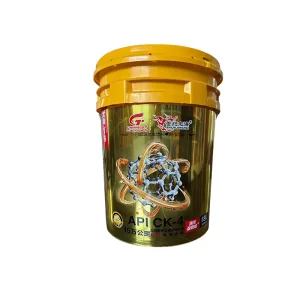
Motorcycle lubrication represents one of the most demanding sub-sectors within the automotive tribology landscape. Unlike standard passenger car motor oils (PCMO), which only lubricate the engine block, a motorcycle engine oil must operate within a shared sump system. This means a single fluid is tasked with protecting three distinct mechanical zones: the high-rpm internal combustion engine, the wet multi-plate clutch assembly, and the high-load manual transmission gearset. Consequently, selecting and formulating motorcycle engine oils requires a deep understanding of balanced friction coefficients, shear stability, and high-temperature performance.
In the global market, the standards set by the Japanese Automotive Standards Organization (JASO) define specific limits to prevent clutch slippage while ensuring robust gear protection. Formulations matching JASO MA and JASO MA2 specifications are specifically tailored for wet clutch applications, maintaining high frictional properties in the clutch plates. Conversely, JASO MB fluids are engineered with lower friction parameters, designed specifically for dry clutch systems such as automatic scooters equipped with Continuously Variable Transmissions (CVTs). This division requires manufacturers to offer hyper-targeted formulation architectures to prevent catastrophic transmission slippage or accelerated engine wear.
Information Gain Concept: High-performance motorcycle oils must balance dynamic and static frictional performance. If the static friction is too low, the clutch will slip under torque peaks; if the dynamic friction is too high, clutch engagement becomes jerky, increasing physical fatigue on mechanical components and rider comfort alike.
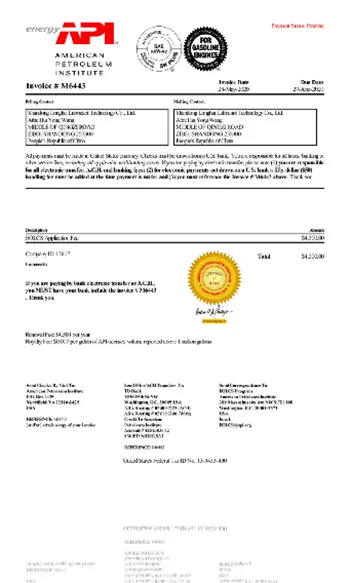
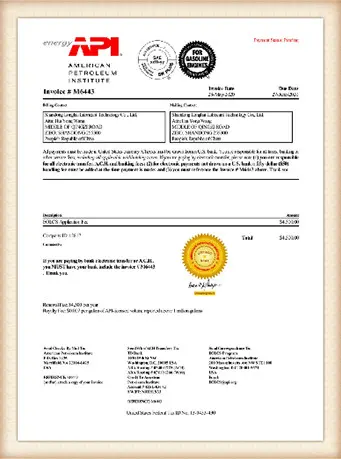
As modern motorcycle engines evolve toward higher power densities, smaller sumps, and stricter emissions regulations, the demand for premium API (American Petroleum Institute) specifications has risen sharply. While legacy systems operated reliably on API SJ or SL formulations, modern high-displacement multi-valve engines require SN or SP grades. The transition to API SP represents a major technological leap, providing enhanced oxidation stability, robust deposit protection, and superior prevention of low-speed pre-ignition (LSPI) in modern turbocharged or direct-injected platforms. These synthetic architectures incorporate advanced Group III and Group IV (PAO) base stocks coupled with precise shear-stable viscosity index improvers (VIIs) to maintain a reliable lubricating film under extreme thermodynamic conditions.
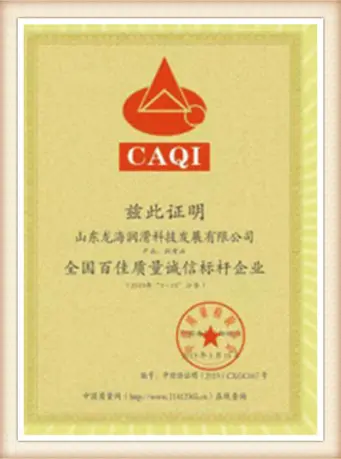
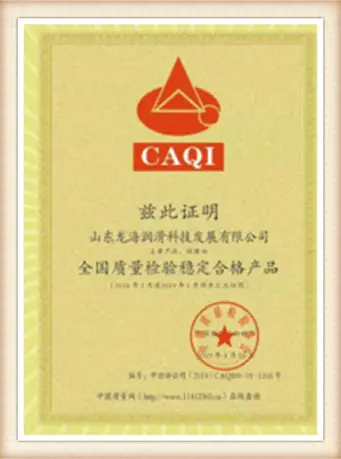
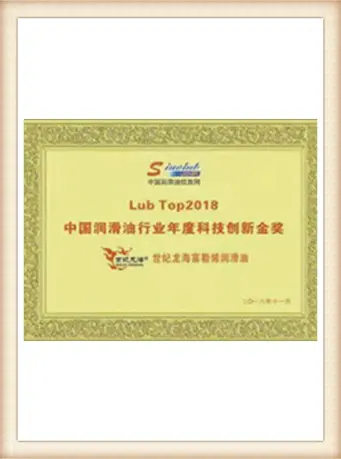
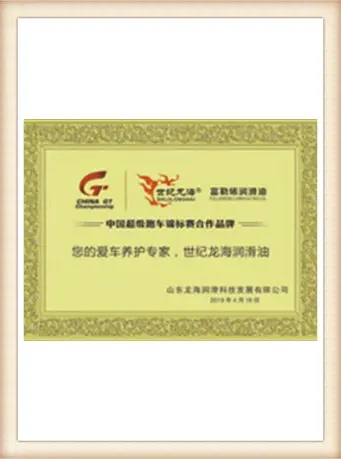
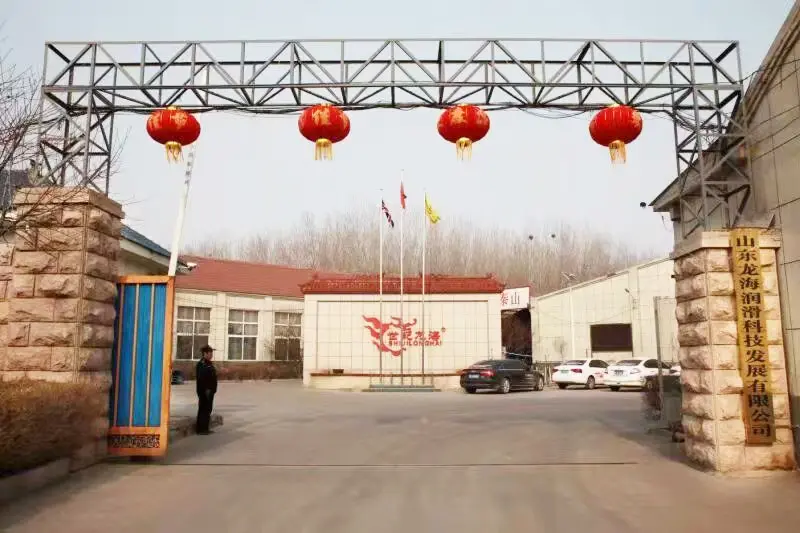
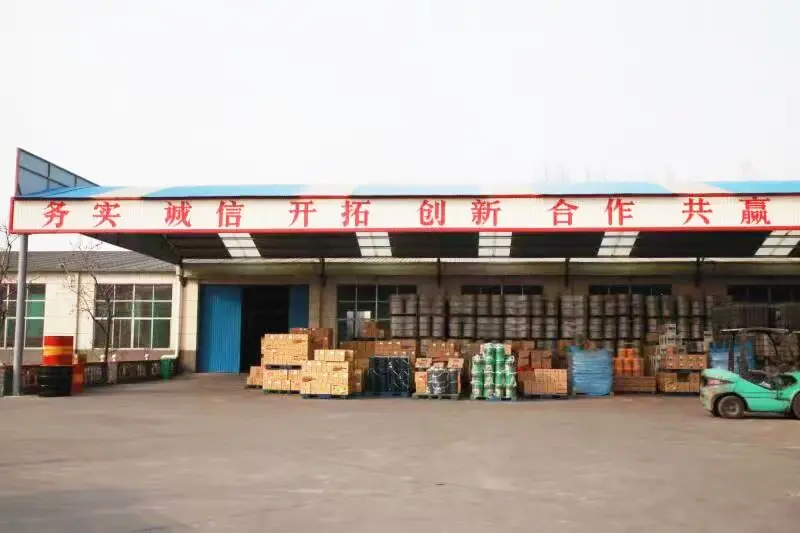
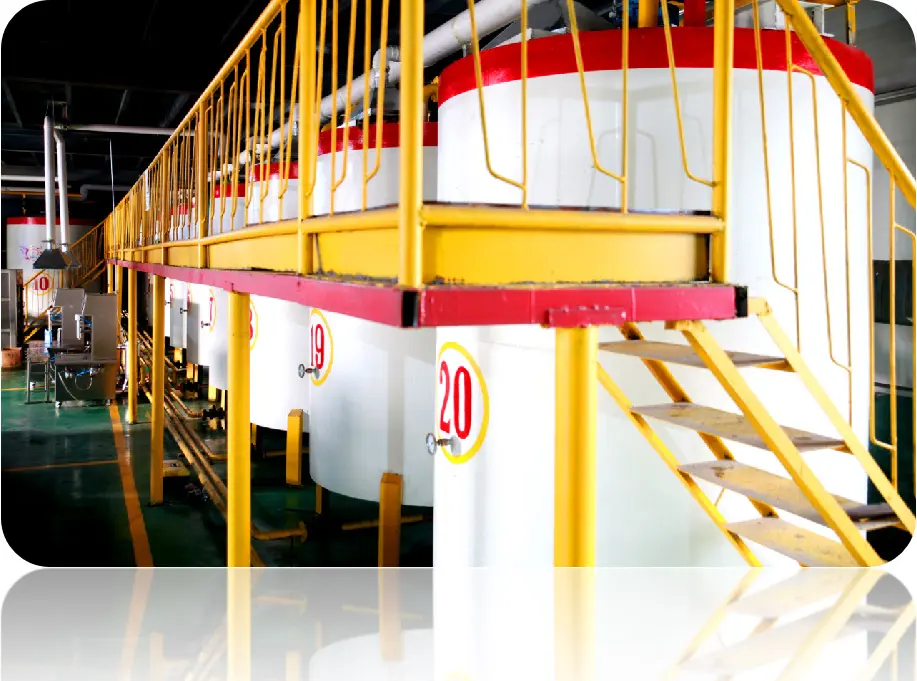
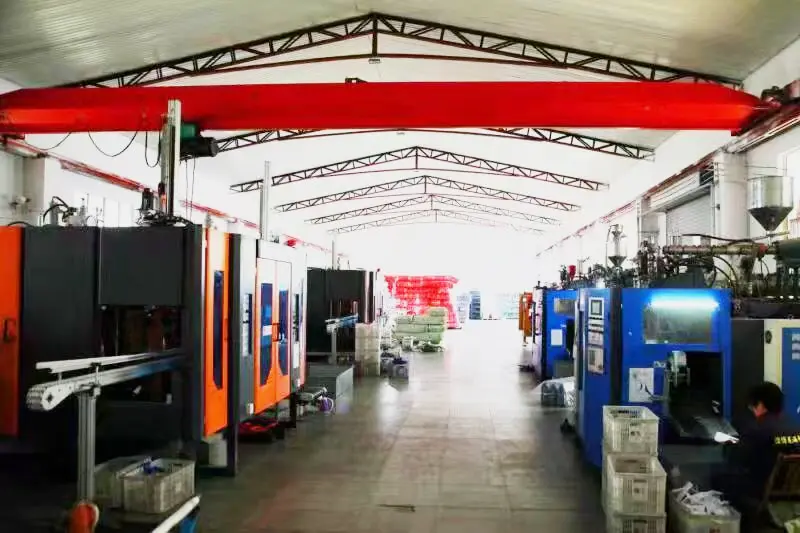
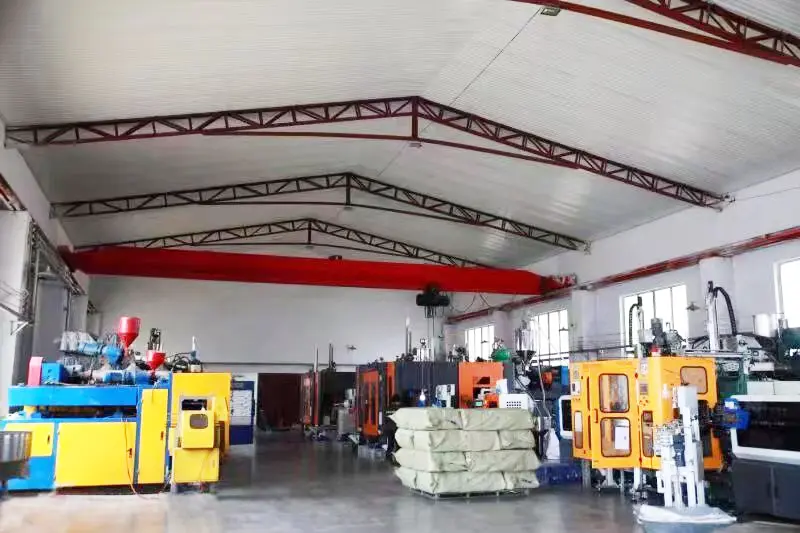
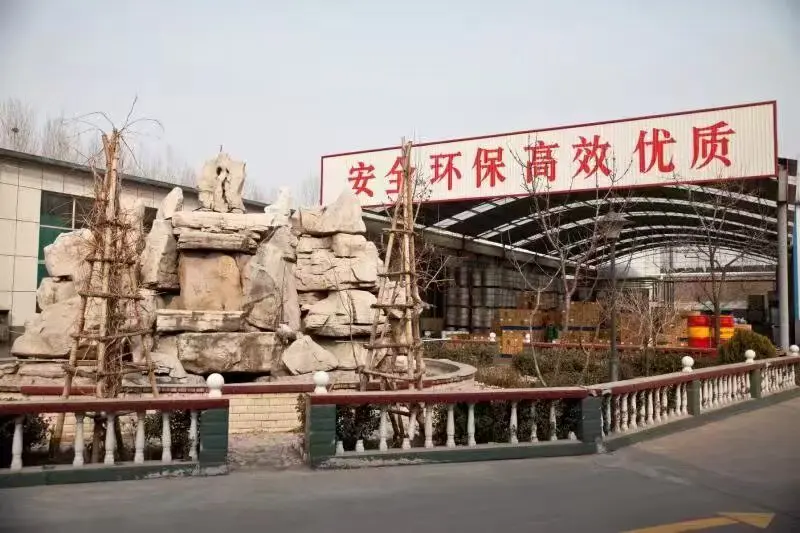
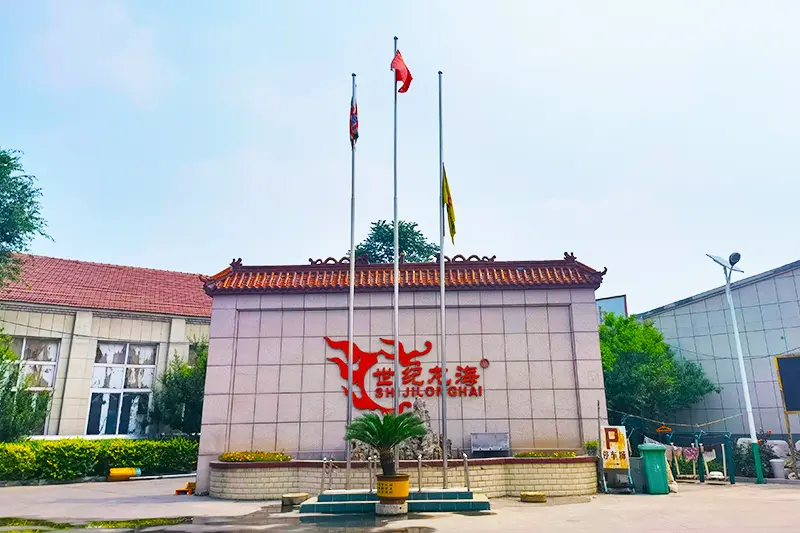
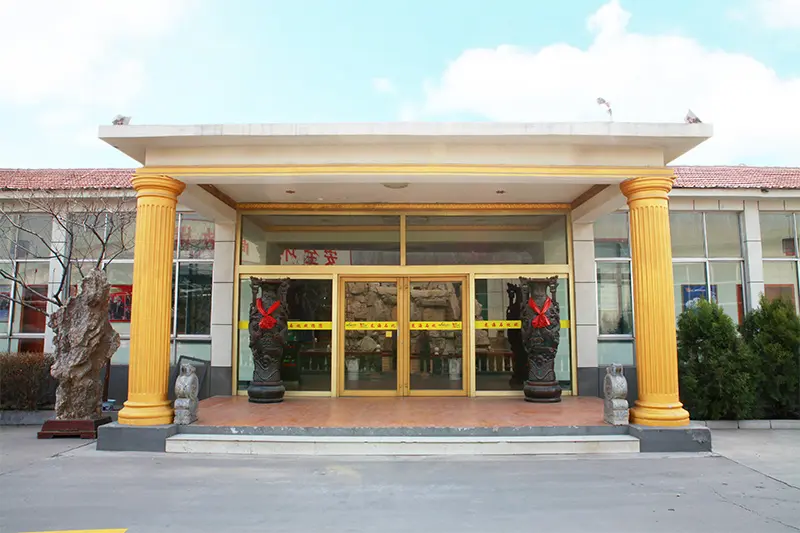
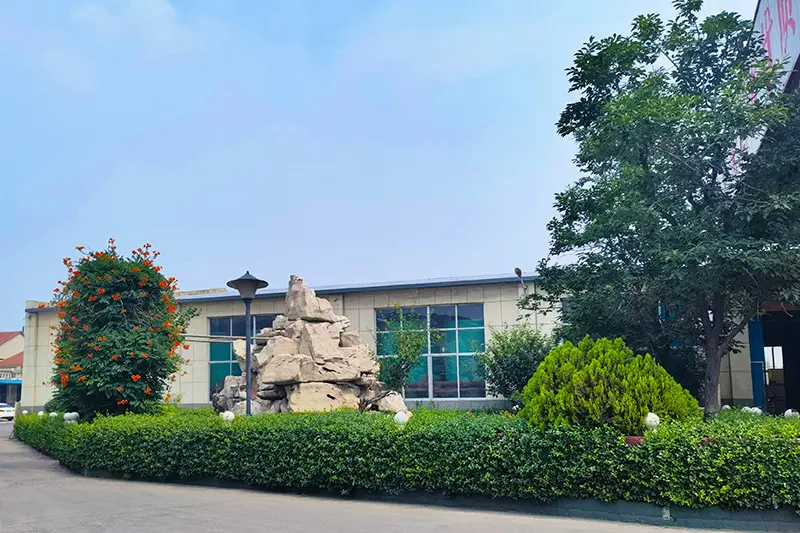
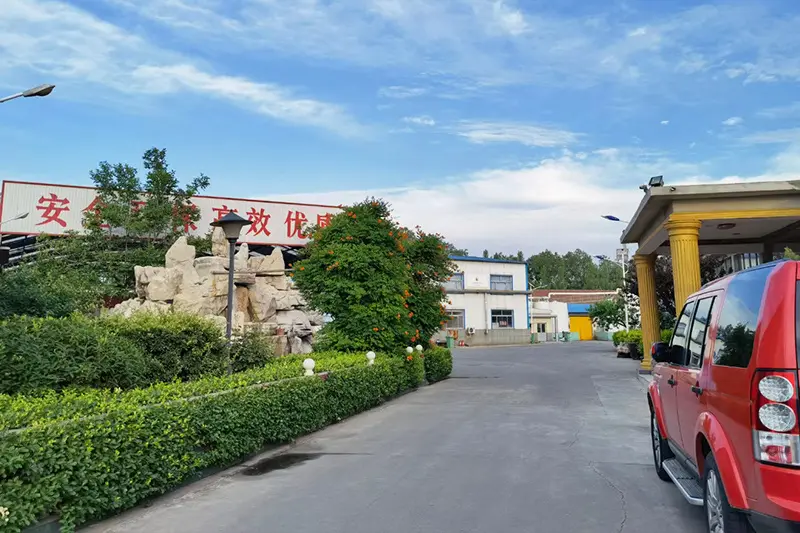
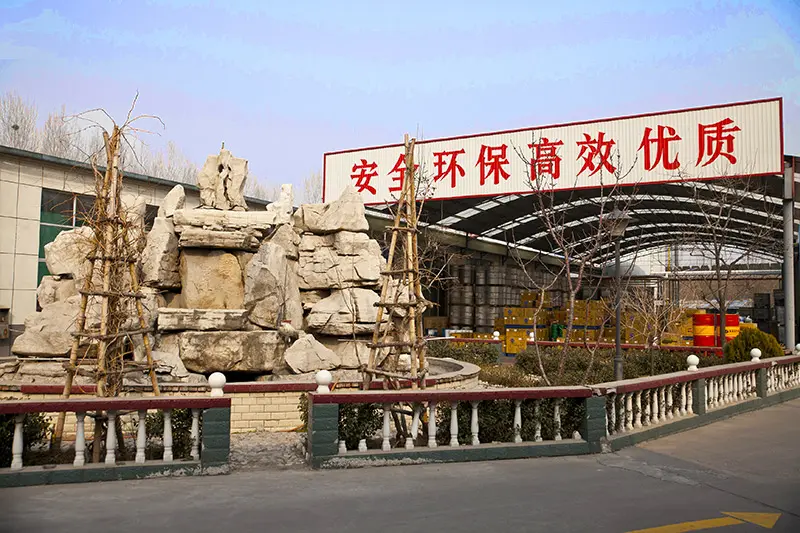
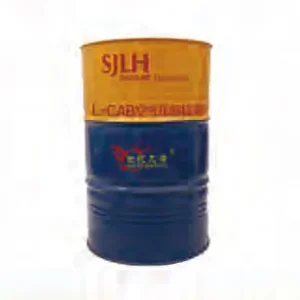
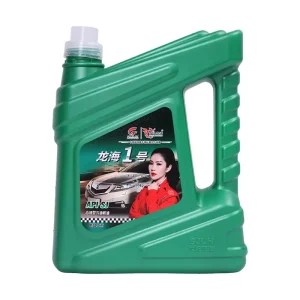
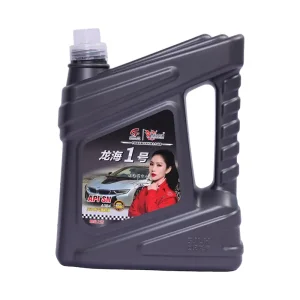
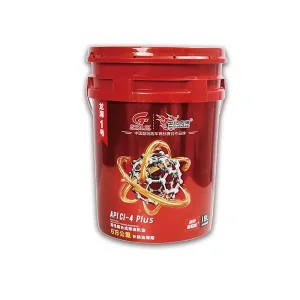
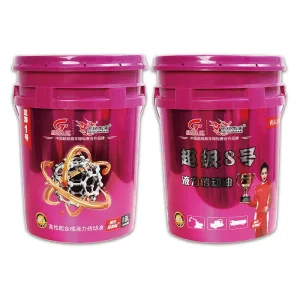
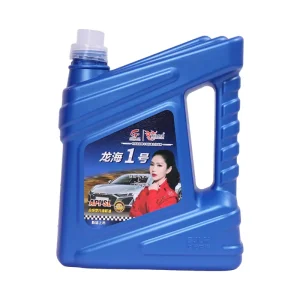
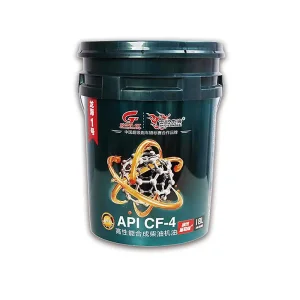
Shandong Longhai Lubrication Technology Development Co., Ltd. was established in 2009 and is headquartered in Zibo, Shandong. As a high-tech enterprise integrating R&D, production, and global sales, the company has been deeply involved in the lubricant industry for more than 15 years. Over this decade and a half, we have built a complete, highly integrated industrial chain system committed to providing premium-grade lubrication solutions for both global industrial machinery and the transportation fields.
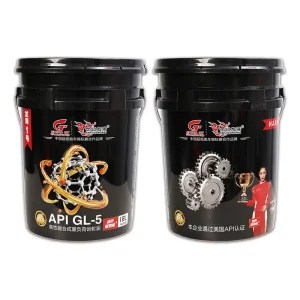
We take pride in our own brand, "Century Longhai", along with our international strategic cooperation brand, the British "A Ba" series. Our comprehensive product portfolio covers diesel engine oil, gasoline engine oil, gear oil, hydraulic transmission oil, anti-wear hydraulic oil, special engine oil for engineering machinery, special oil for natural gas, full synthetic oil, automotive urea solution, antifreeze, special engine oil for motorcycles, industrial oil, automatic transmission oil, and many other lubricant varieties. Every drop of lubricant we manufacture is fully backed and insured by PICC China People's Insurance Company, ensuring peace of mind and quality assurance across all international boundaries.
Why China's Advanced Chemical Infrastructure Outperforms Global Competition
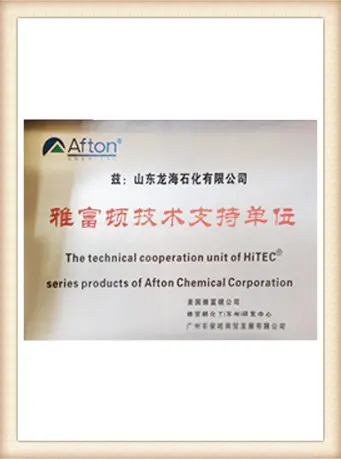
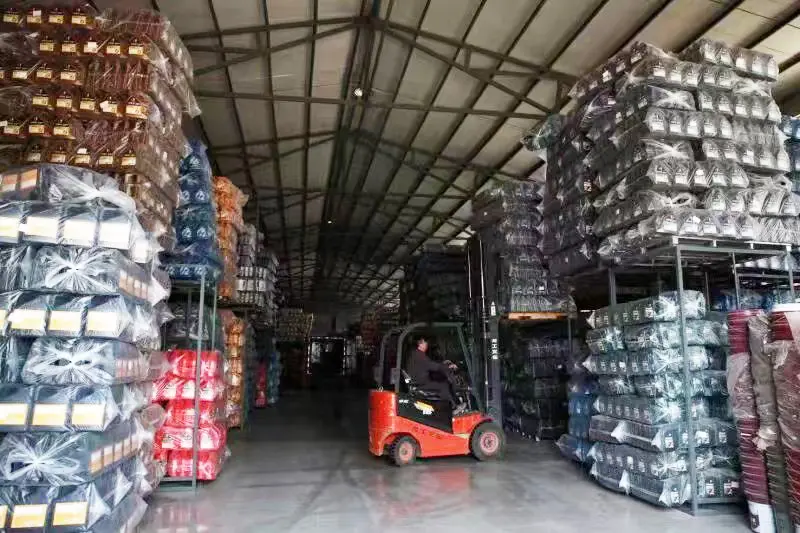
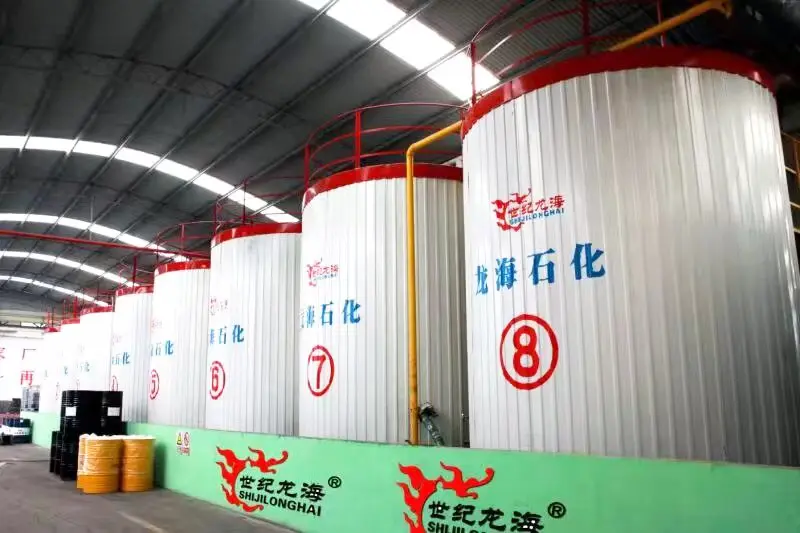
The manufacturing process at Shandong Longhai Lubrication Technology incorporates premium additive systems from international industry leaders such as Infineum, Lubrizol, Afton, and Chevron Oronite. By blending high-purity hydrogenated base stocks with proprietary shear-stable polymers, we produce oils that exhibit exceptional thermal stability. This raw material security combined with automated chemical processing plants in Shandong enables us to deliver wholesale quantities at a lower structural cost compared to North American or European counterparts, without compromising critical performance parameters.
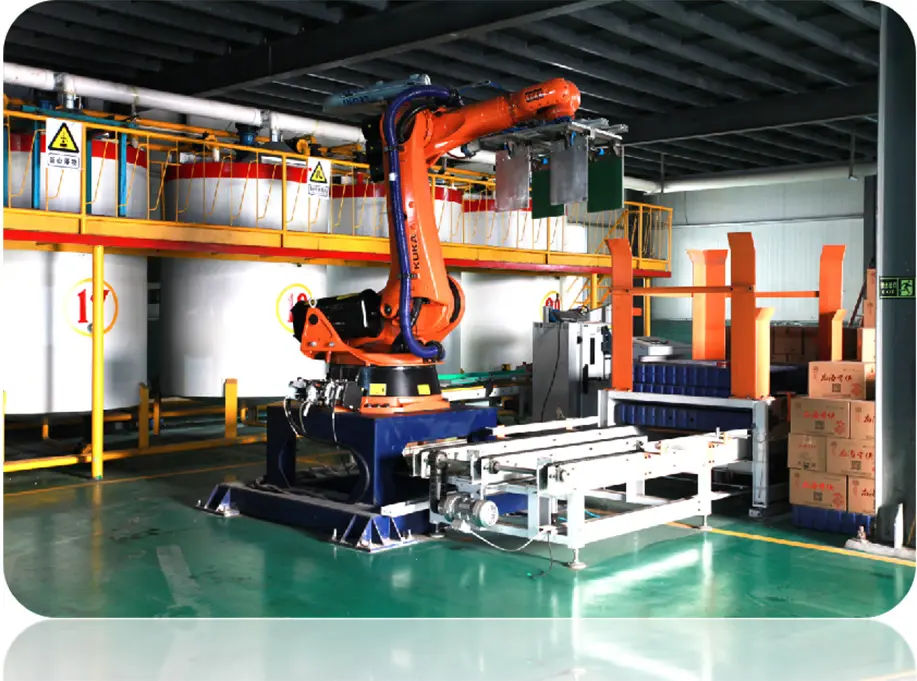
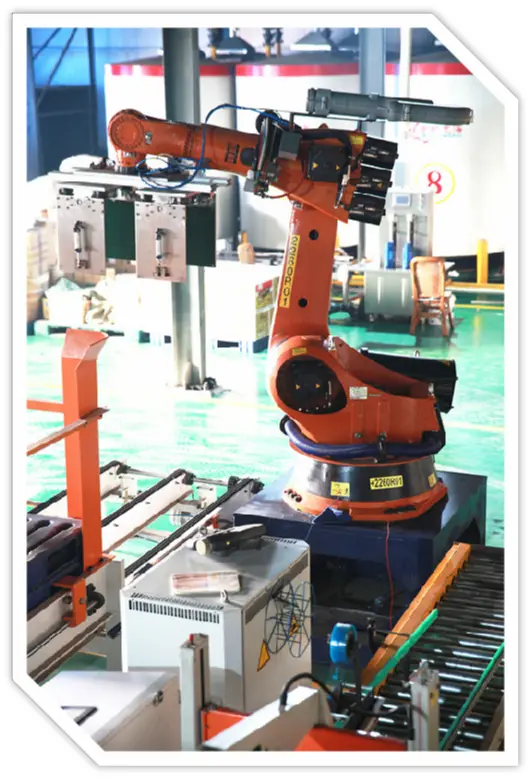
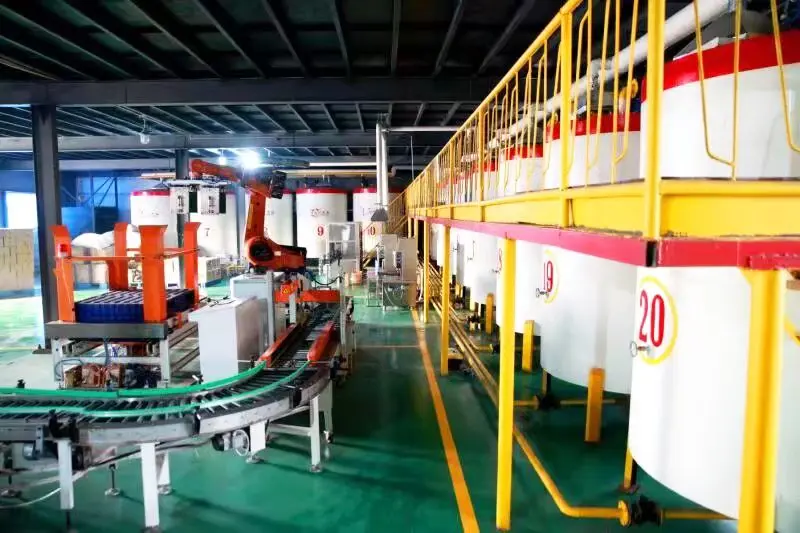
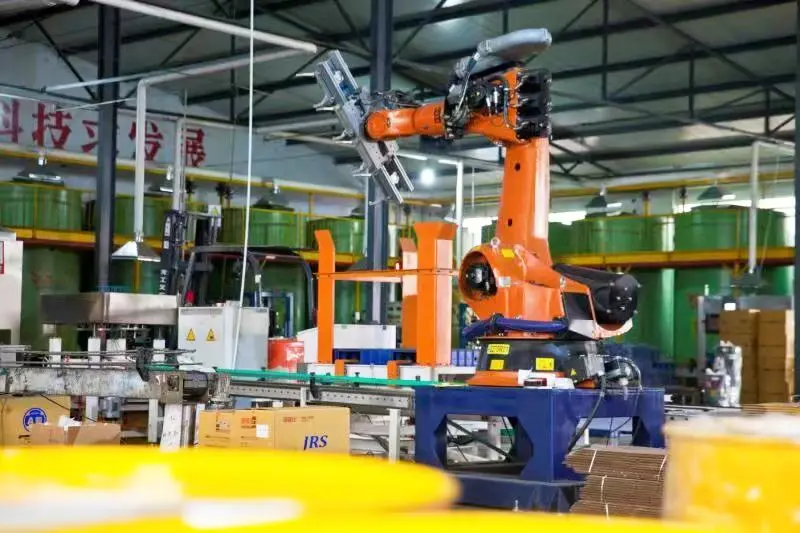
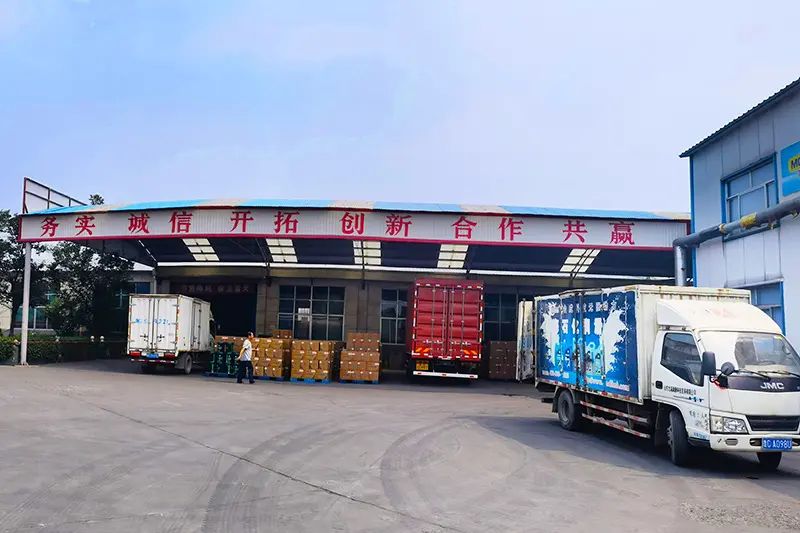
Furthermore, the high level of optimization in our filling operations represents a major technical advantage. Our automated lines achieve a 20% to 35% speed increase compared to conventional machinery. This operational velocity drastically reduces the lead time for custom OEM/ODM packaging, enabling global distributors to respond to changing market demands with short notice.
Partnering with Longhai for Custom Formulation, Design, and Compliant Distribution
Longhai Technology works closely with global partners to formulate lubricants matched to specific operational parameters, environmental constraints, and market position requirements. Our engineers adjust viscosity index targets, pour point depressants, and active detergent packs to engineer oils that match the target criteria.
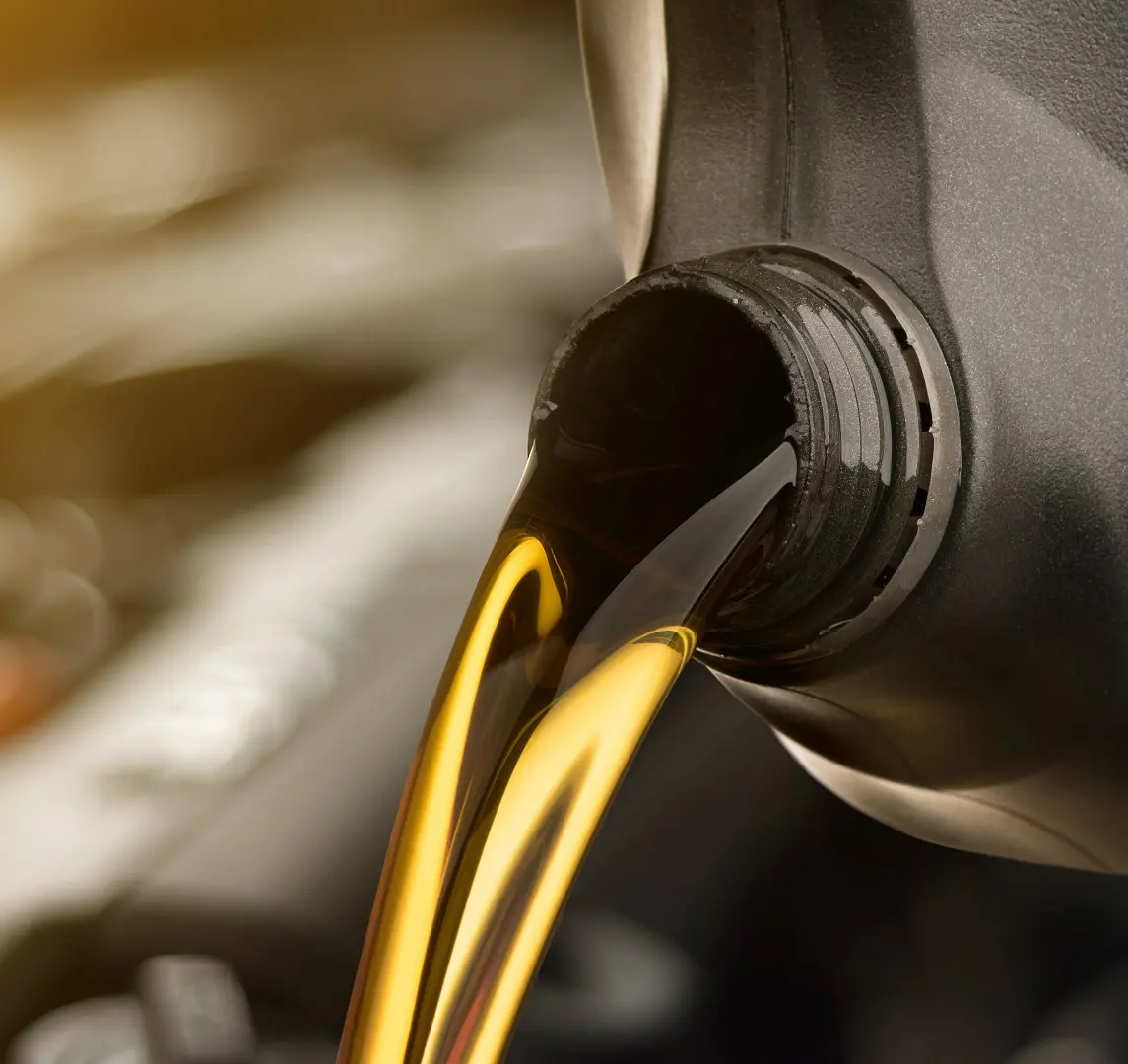
Motorcycle lubricants operate in vastly different environments depending on regional demographics. In developing metropolitan areas across Southeast Asia, South America, and Africa, motorcycles serve as primary tools for commercial delivery fleets and heavy transportation. Under these conditions, the engine is subjected to continuous stop-and-go cycles while carrying heavy payloads under extreme ambient heat. This operational stress accelerates thermal cracking and oxidization, which quickly leads to the formation of sludge and varnish. To prevent these failures, our formulations incorporate high-stability salicylate detergents that neutralize acidic combustion byproducts, keeping internal components clean and operational.
In mature, leisure-focused markets such as North America and Europe, motorcycles are typically high-displacement, high-horsepower units used for long-distance touring or racing. In these applications, the primary demand shifts toward maintaining excellent shear stability at elevated temperatures. Under sustained high-rpm operation, standard polymer thickeners can shear down, causing the oil to lose viscosity and drop out of its nominal grade. This reduction in viscosity can lead to metal-on-metal contact within the engine and transmission. Our synthetic oils utilize advanced, star-polymer viscosity index improvers that resist shearing, ensuring a stable hydrodynamic film thickness is maintained even in high-stress racing environments.
The industry is experiencing a significant shift toward lower viscosity grades to improve fuel economy and reduce carbon emissions. Standard oils like 20W-50 are increasingly being replaced by 10W-30 and 5W-30 formulations. While these lighter fluids reduce internal drag and boost fuel efficiency, they require sophisticated anti-wear additization, such as zinc dialkyldithiophosphate (ZDDP) and organic molybdenum friction modifiers, to protect contact points. Looking further ahead, the rise of hybrid and fully electric motorcycles is driving the development of new, specialized fluids. These next-generation e-fluids must deliver exceptional thermal management, copper compatibility, and dielectric properties to safely insulate and cool electric drivetrains.
Technical and Logistics Support for International Purchasing Directors
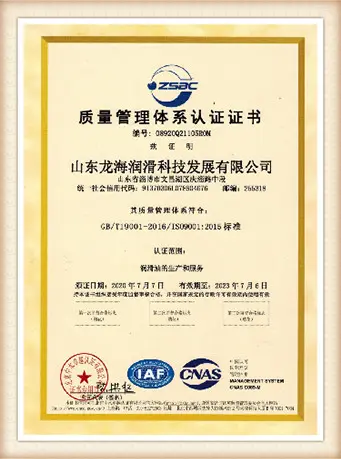
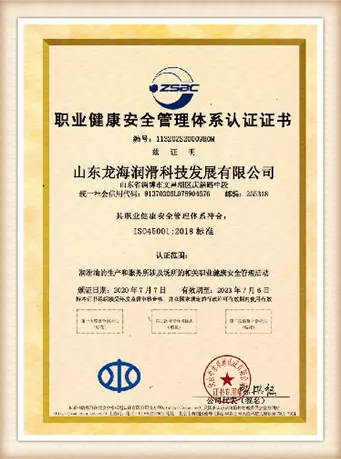
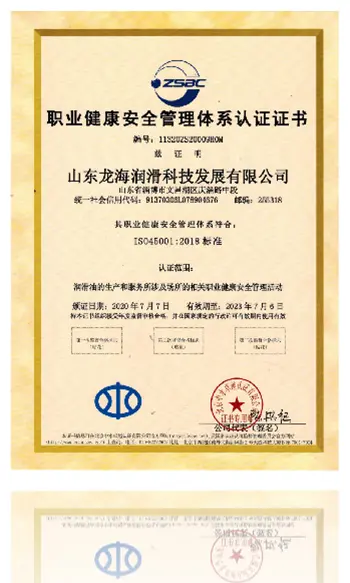
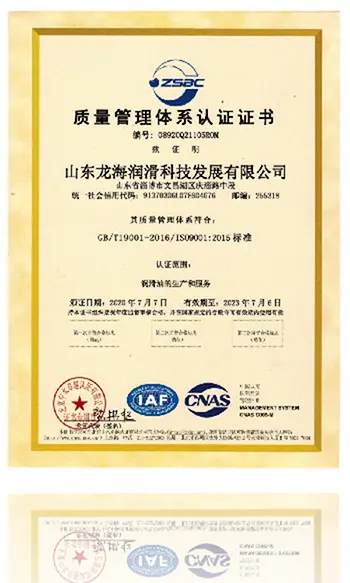
Tested and Homologated in Accordance with International Quality Control Standards
Premium Synthetic Blends Formulated to Meet Modern Performance Standards
 Longhai