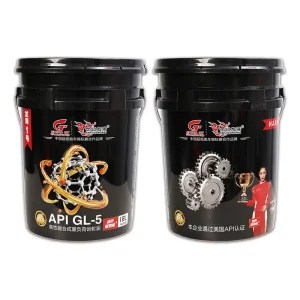
Engineered to deliver exceptional thermal stability, extreme pressure protection, and prolonged equipment life cycles across major mechanical interfaces.
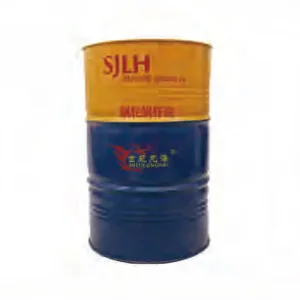
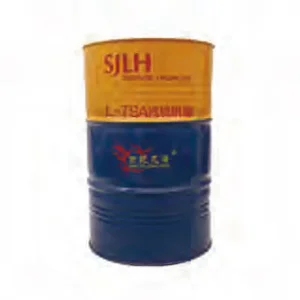
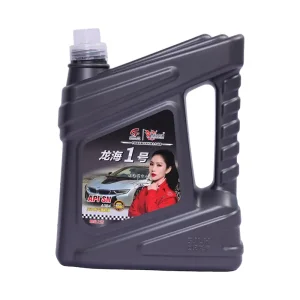
Founded in 2009 in Zibo, Shandong, the heart of China’s petrochemical industrial cluster, Shandong Longhai Lubrication Technology Development Co., Ltd. has established itself as an authoritative leader in tribological innovations. For over fifteen years, the corporation has engineered complex fluid formulations to support global logistics, critical infrastructure, marine engineering, and heavy manufacturing sectors. Operating a state-of-the-art facility spanning 131 acres with an annual production capacity of 200,000 tons, the firm represents one of China’s most robust OEM/ODM and proprietary branding lubricant infrastructures.
Under its primary domestic brand "Century Longhai" and its strategic international partnership line "British A Ba Series", the company supplies high-specification solutions certified to meet stringent international standards. Supported by the People's Insurance Company of China (PICC) product liability insurance, our technical output delivers verified reliability to equipment manufacturers and plant managers globally.
Analyzing key shifts in modern tribological sciences: Sustainability, Synthetic transitions, and Smart systems integration.
Traditional Group I and Group II base mineral oils are increasingly yielding to Group III+ (Hydroisomerized), Group IV (Polyalphaolefins - PAO), and Group V (Synthetic Esters) chemistries. These advanced formulations exhibit significantly higher Viscosity Indexes (VI), superior thermal-oxidative stability under thermal stress, and lower pour points, making them indispensable for modern planetary gearboxes and micro-turbine configurations.
Global decarbonization initiatives require lubricants that offer low frictional coefficients to reduce energy dissipation as heat. Concurrently, environmental regulations demand biodegradable and non-toxic Environmentally Acceptable Lubricants (EALs) for open gear loops in marine, agricultural, and hydraulic infrastructure, reducing overall environmental footprints without sacrificing load-carrying capacity.
Industrial Lubrication is transitioning from corrective schedule-based maintenance to condition-based predictive maintenance. Oils are optimized to be compatible with integrated sensor arrays that continuously track oil dielectric constant changes, moisture ingress, metallic wear debris, and overall chemical degradation, allowing real-time operating adjustments.
For international supply chain managers, importing lubricants requires balancing technical specifications with financial efficiency. Our procurement protocols address key concerns:
Tailored physical-chemical configurations for extreme load, high shear, and extreme temperature operational conditions.
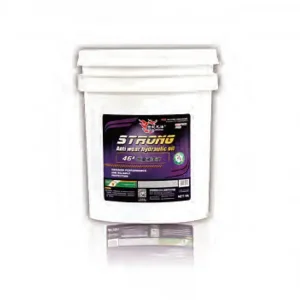
Our anti-wear hydraulic oil line utilizes shear-stable viscosity index improvers and advanced zinc-free anti-wear (AW) packages. This setup prevents valve stiction under pressures exceeding 35 MPa, maintaining optimal fluid film thickness and volumetric pump efficiency.
For high-load industrial gearboxes (L-CKC/L-CKD), our micro-pitting resistant formulations provide high Extreme Pressure (EP) protection. They safeguard gear tooth flanks from scuffing, pitting, and plastic deformation under severe shock loads.
Designed for gas, steam, and hydro turbines, our professional turbine oil line provides outstanding water separation (demulsibility) and air release properties, suppressing varnish and deposit formation for continuous generation uptime.
Translating client specifications into reliable products through intelligent blending facilities and dedicated laboratory control.
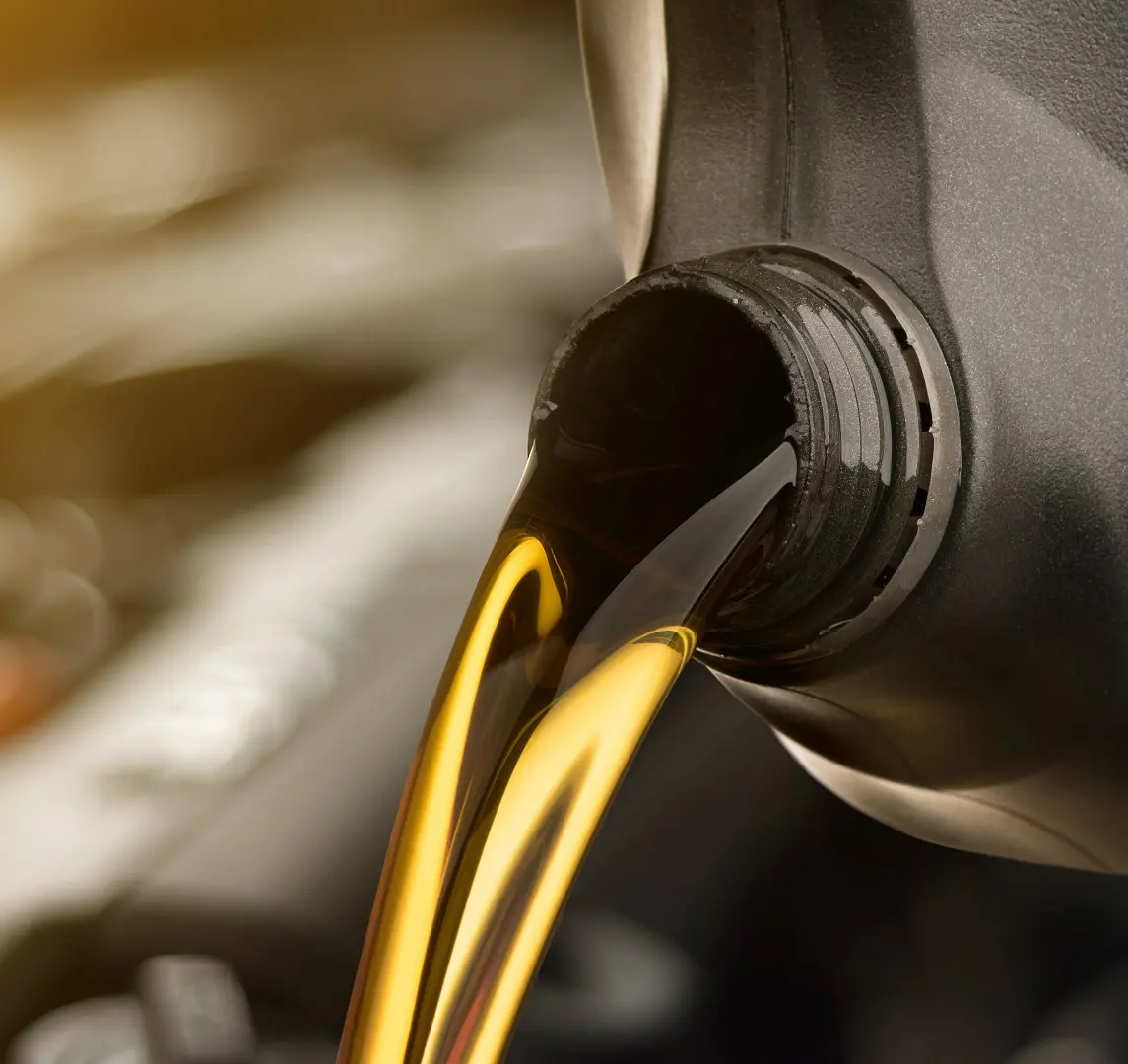
We develop high-performance formulations using selected synthetic base stocks and additive chemistries. Our R&D team works to meet specific kinematic viscosity, flash point, and wear scar diameter targets to align with OEM tolerances or specific regional environments.
Through our partnership with research institutes, we continuously test new formulations to ensure compliance with API, ACEA, and relevant ISO standards.
Our standard operational workflow ensures traceablity and precision from initial inquiry to global destination delivery.
Understanding operational parameters: speed, load, operating temperature, and environmental exposure.

Determining base oil composition and balancing anti-wear, anti-oxidant, and anti-foaming additives.
Subjecting samples to ASTM-standardized mechanical test rigs, evaluating shear loss and foam stability.
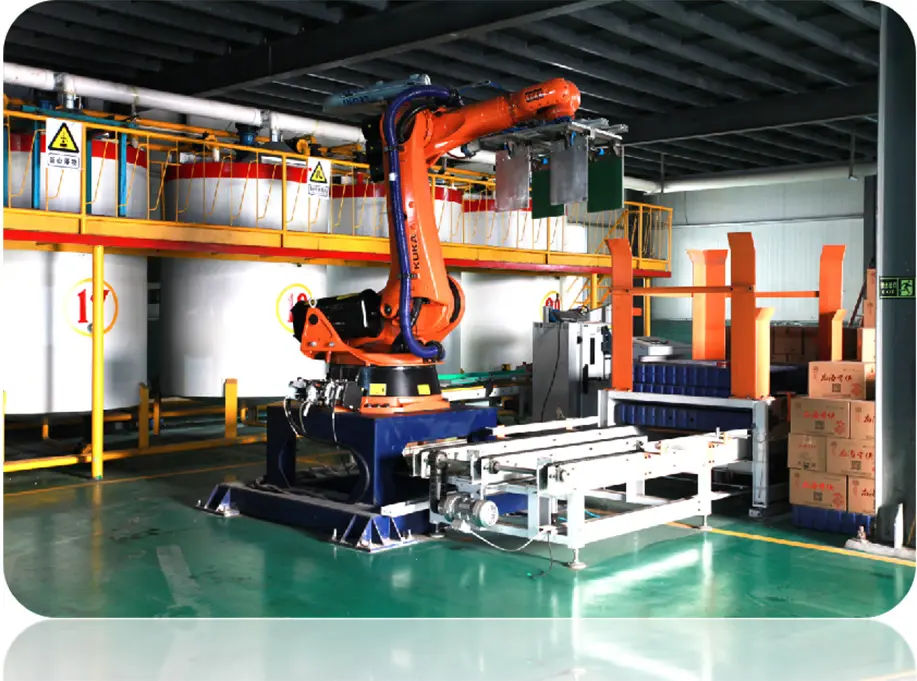
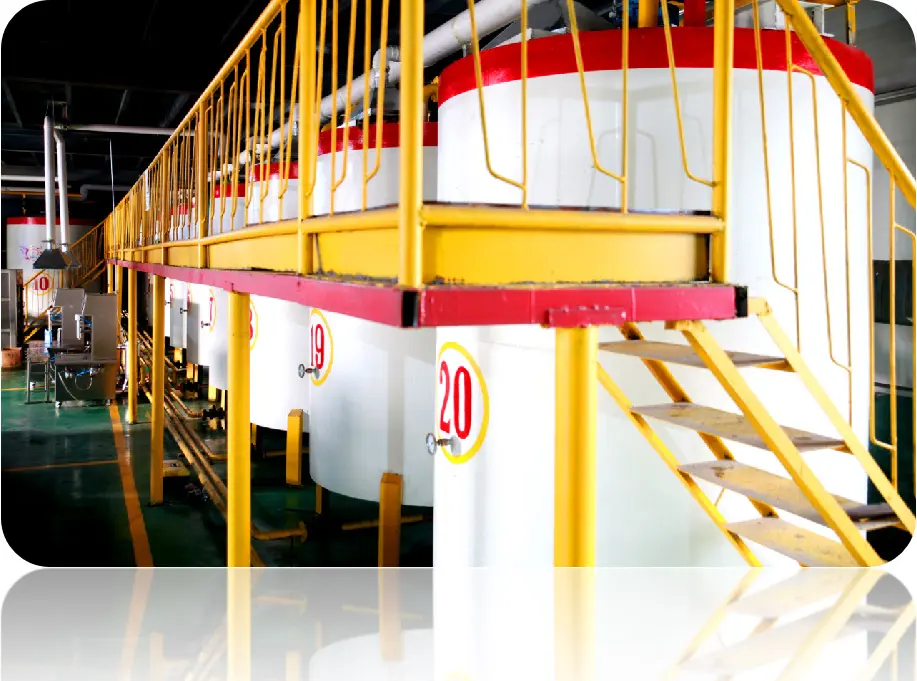
Processing blending in automated reactors and packaging using high-speed metering lines.
Providing used oil analysis services and fluid monitoring to maximize system life cycle.
We maintain strict quality control throughout our manufacturing cycle. Shandong Longhai Lubrication has completed certification for the following systems:
All raw base stocks are analyzed via ICP-OES spectroscopy, gas chromatography, and standard physical testing before blending.
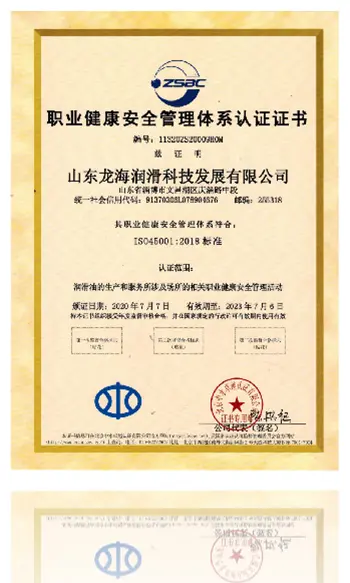
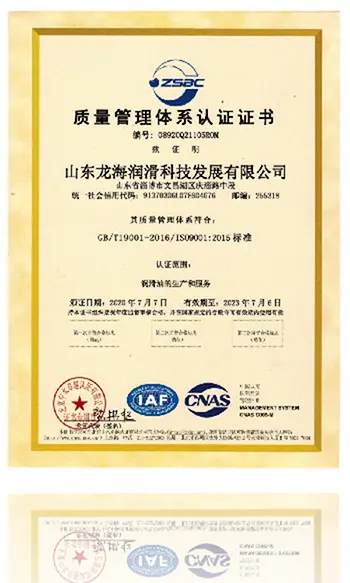
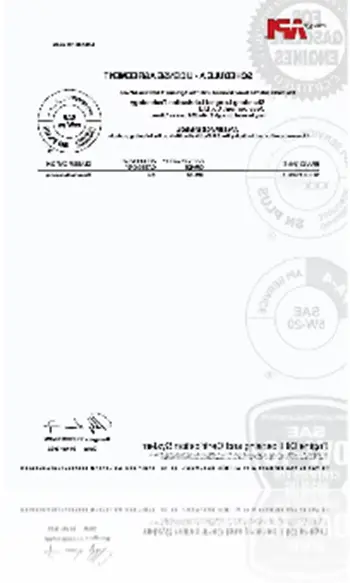
Our ongoing development focus targets enhanced lubricant performance for emerging industrial applications.
Our laboratories are developing stable dispersions of nano-materials, including graphene derivatives and inorganic fullerene-like nanoparticles. These additives migrate to metallic friction zones to form a low-shear protective tribofilm, significantly lowering start-up friction coefficients compared to conventional organic chemistry formulations.
Electric vehicle drivelines introduce high rotor speeds, copper wire exposure, and specific electromagnetic fields. We are formulating specialized e-fluids featuring optimized electrical conductivity, copper corrosion protection, and advanced thermal cooling properties to match modern integrated e-axles.
We are expanding the development of bio-sourced synthetic esters that offer viscosity indexes exceeding 200. These lubricants maintain operational fluid boundaries from sub-zero environments up to extreme load zones, reducing dependency on synthetic polymers that are prone to mechanical shear degradation.
Addressing common technical questions from mechanical engineers and procurement managers.
A: L-CKC oils are formulated for medium-load industrial closed gears operating under moderate speeds and loads. In contrast, L-CKD oils are heavy-duty lubricants designed for extreme conditions. L-CKD formulations utilize advanced extreme pressure (EP) additives and synthetic base oils that resist micro-pitting and protect gear tooth surfaces under severe shock loads, thermal stress, and continuous heavy loading.
A: Worm gearboxes operate primarily under boundary and mixed lubrication regimes, generating high sliding friction. Synthetic oils (specifically polyalkylene glycols or synthetic esters) have a low traction coefficient. This reduces friction losses within the contact zone, lowering operating temperatures, reducing wear on bronze worm gears, and improving overall mechanical energy efficiency.
A: Key parameters include high shear stability to prevent viscosity loss under pressure, low wear scar diameter (measured via the Four-Ball Method), excellent hydrolytic stability to resist decomposition in the presence of water, and fast air release properties to prevent cavitation within the pump chamber.
A: Highly engineered lubricants rely on exact additive ratios. Precise volume and mass control during the filling process prevents additive separation and ensures consistent chemical concentrations. It also prevents contamination from atmospheric moisture or airborne particles, maintaining product integrity from our plant to the end application.
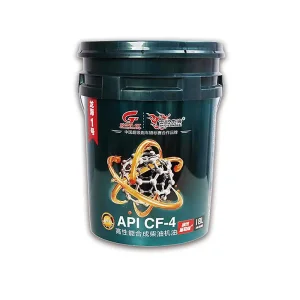
A: API CK-4 oils offer improved oxidation resistance, shear stability, and aeration control compared to CI-4. Designed for modern heavy-duty diesel engines, CK-4 lubricants help protect exhaust aftertreatment systems, improve oil consumption control, and support extended oil drain intervals.
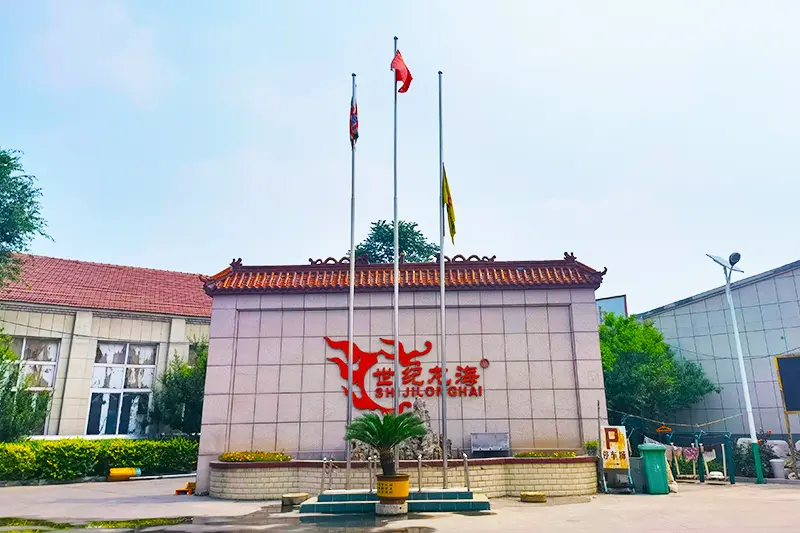
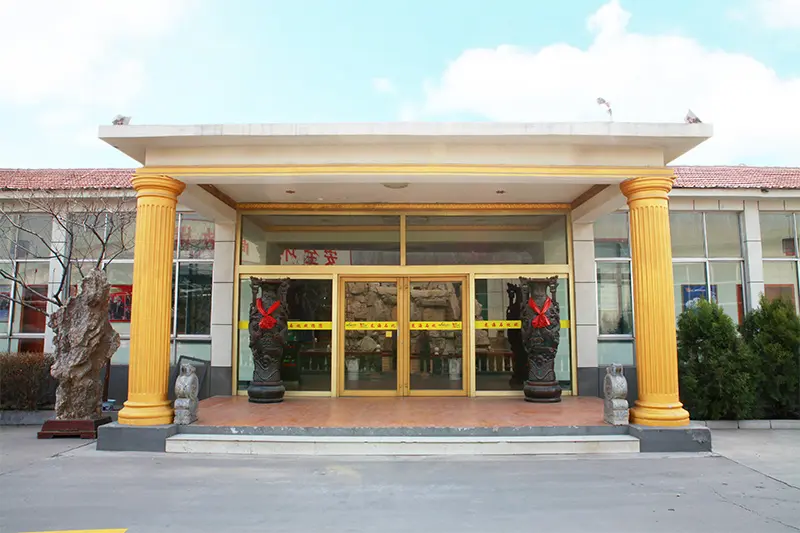
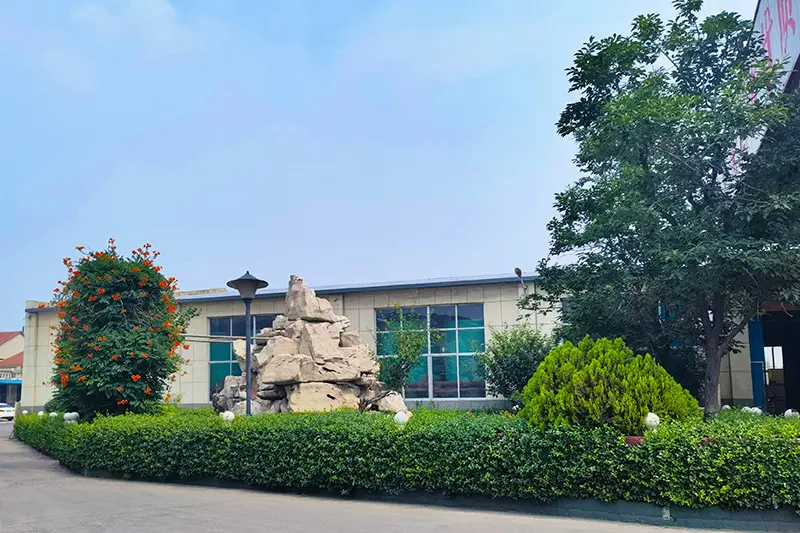
A visual overview of our blending plants, automated filling systems, and testing laboratories.
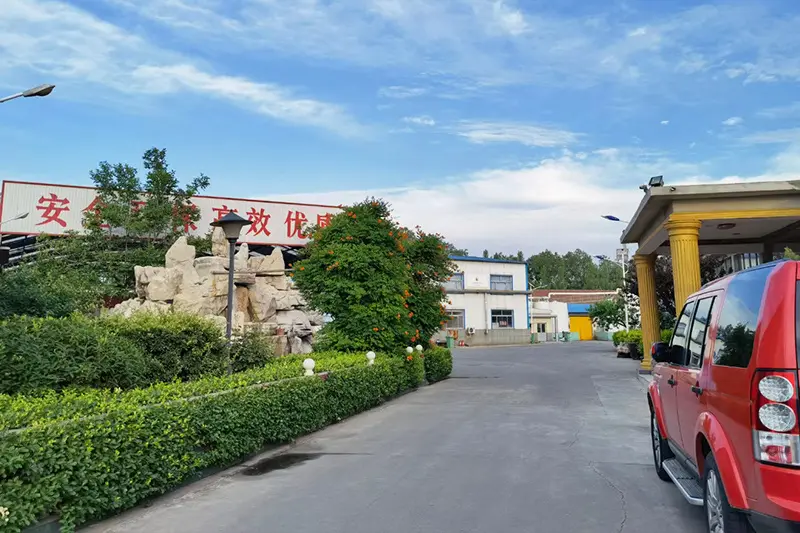
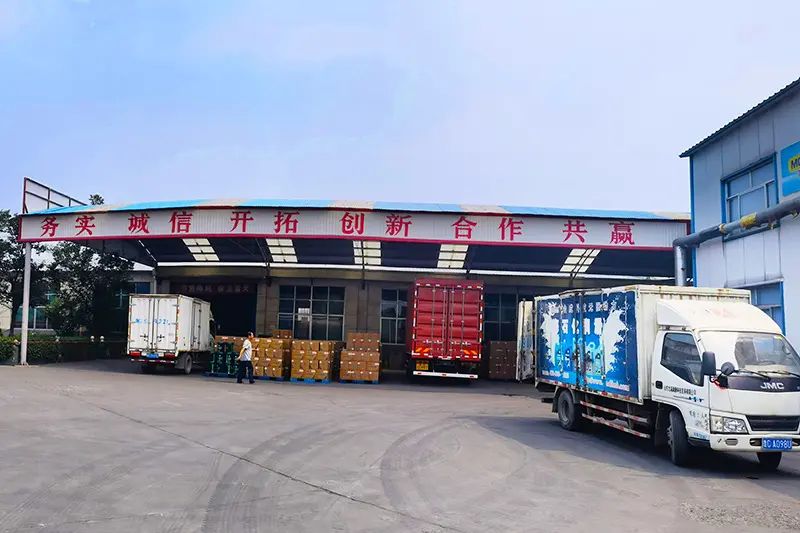
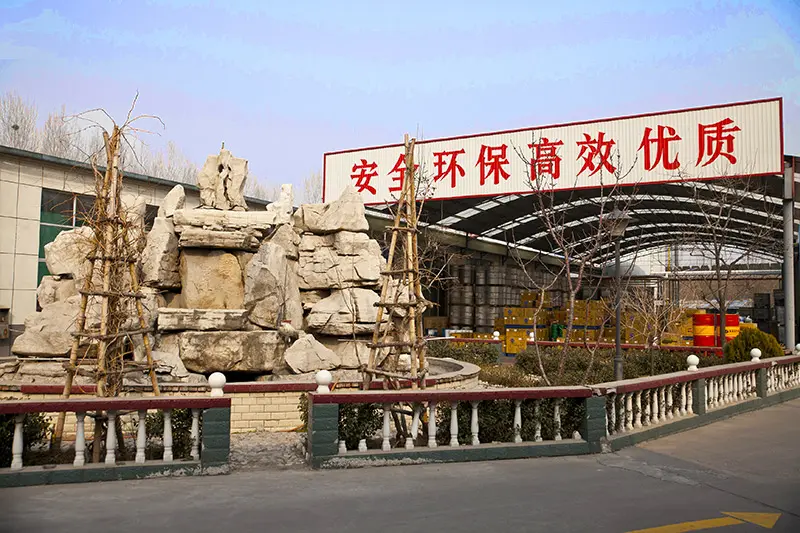
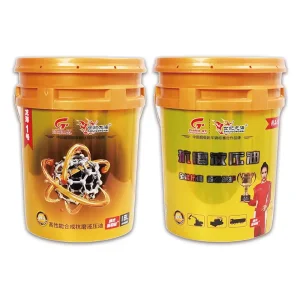
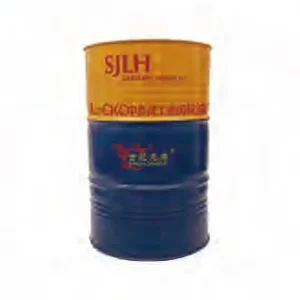
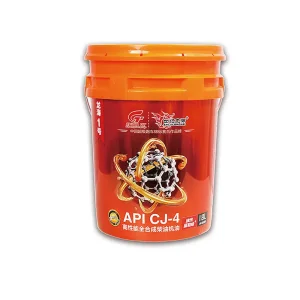
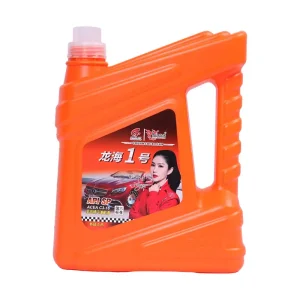
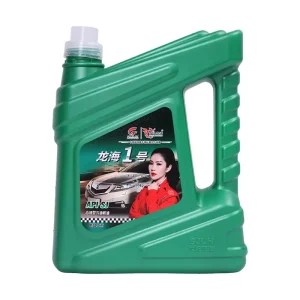
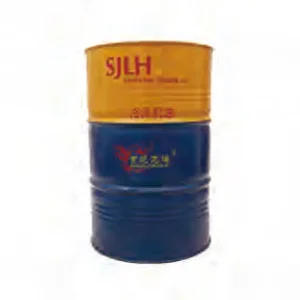
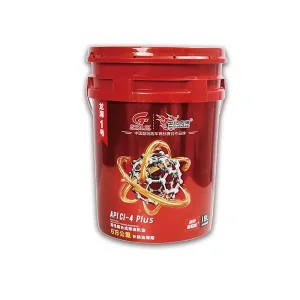
Our globally demanded formulations engineered for specific mechanical interfaces and operating profiles.
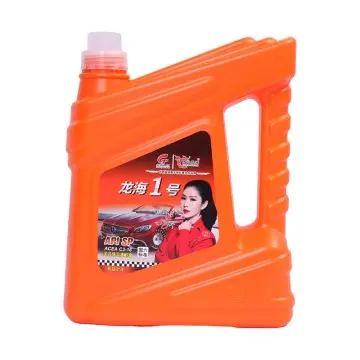
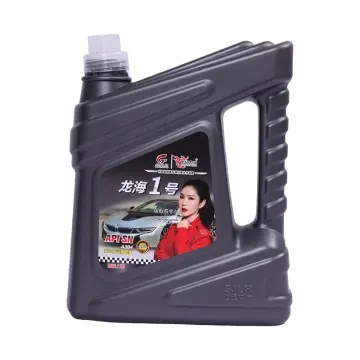
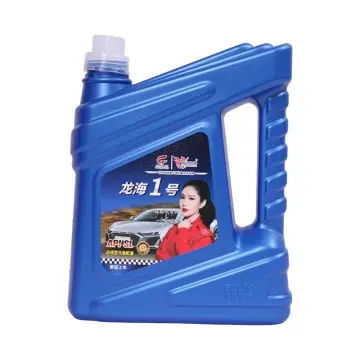
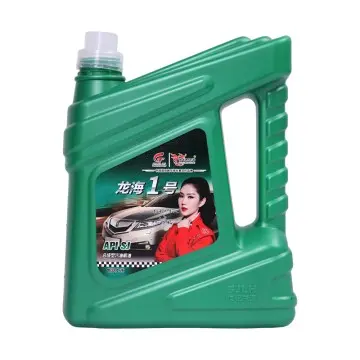
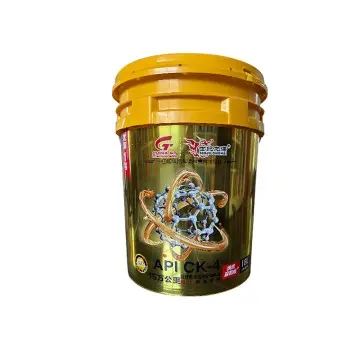
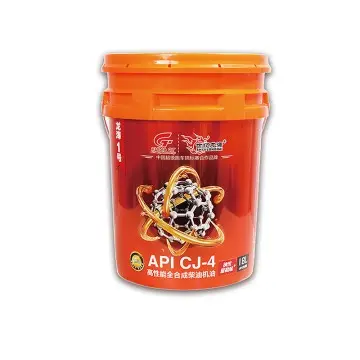
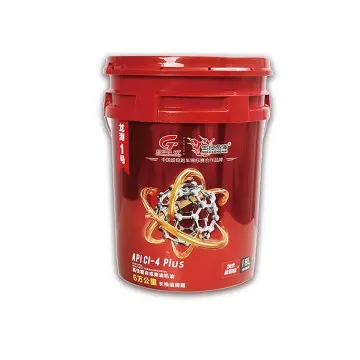
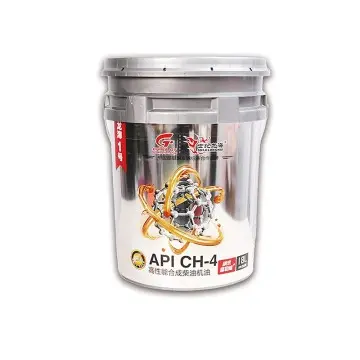
Engineered to deliver exceptional thermal stability, extreme pressure protection, and prolonged equipment life cycles across major mechanical interfaces.
 Longhai