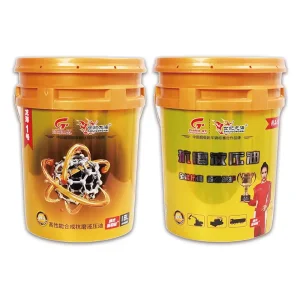
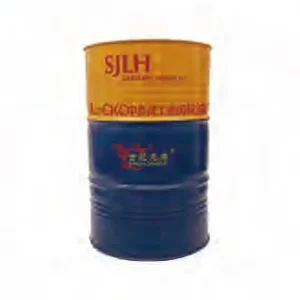
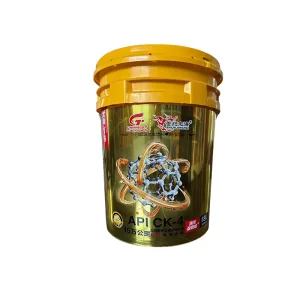
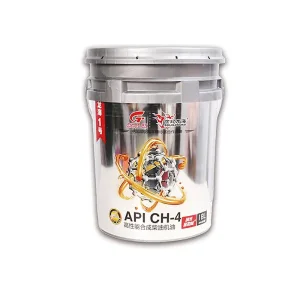
Engineered to deliver ultimate oxidation stability, extreme wear protection, and clean system performance under heavy load cycles.
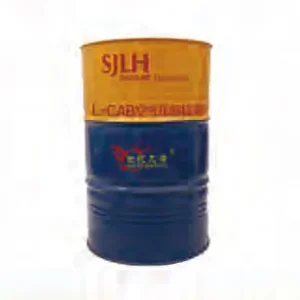
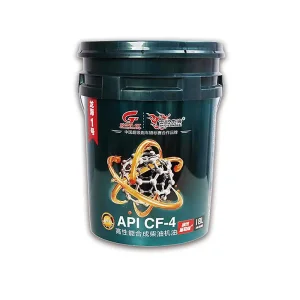
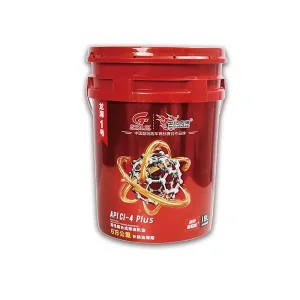
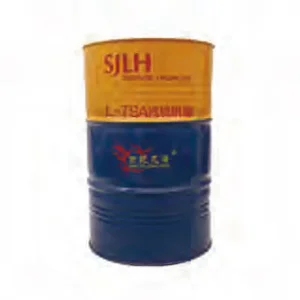
Air compressors operate under demanding mechanical stress and thermal variance. Unlike standard internal combustion engine lubrication, the lubricant in an air compressor does not just reduce friction. It seals clearance gaps, absorbs heat from compression, and prevents corrosion in moist environments. Rotary screw compressors inject oil directly into the compression chamber, exposing it to shearing forces, high temperatures (exceeding 100°C), and atmospheric oxygen. Reciprocating piston compressors subject the oil to high pressure and heat at the discharge valves, risking carbon deposit formation.
Using incorrect motor or compressor oil causes oxidation, thermal cracking, and sludge. This restricts oil flow through separators and coolers, raising operating temperatures and causing premature thermal shutdowns. Selecting the correct ISO viscosity grade (typically ISO VG 32, 46, 68, or 100) paired with an advanced additive system ensures continuous, trouble-free operation. High-efficiency lubricants mitigate energy loss through viscous drag, offering direct utility cost savings in large-scale manufacturing facilities.
Scientific Fact: Over 70% of unexpected air compressor breakdowns are directly linked to lubricant degradation, contamination, or incorrect viscosity selection, which accelerates mechanical wear on precision rotors.
Established in 2009 and headquartered in Zibo, Shandong, Shandong Longhai Lubrication Technology Development Co., Ltd. is a high-tech enterprise integrating R&D, production, and sales. With over 15 years of industry experience, the company has built an integrated supply chain system dedicated to providing lubrication solutions for the global industrial and transportation fields.
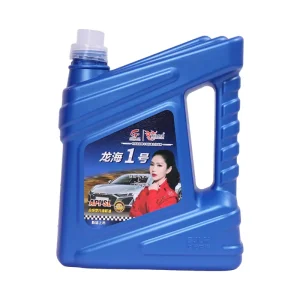
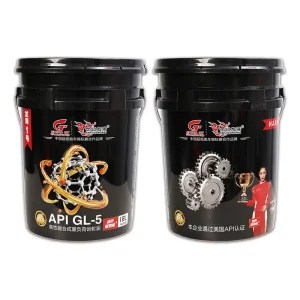
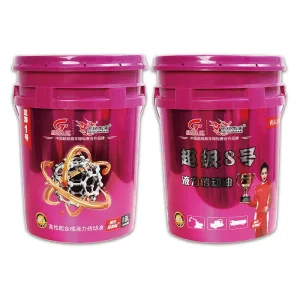
Operating under the proprietary brand "Century Longhai" and the international strategic cooperation brand British "A Ba", the product line spans diesel engine oils, gasoline engine oils, industrial gear oils, hydraulic transmission fluids, anti-wear hydraulic oils, special engine oils for engineering machinery, special natural gas oils, fully synthetic oils, automotive urea solutions, antifreezes, motorcycle engine oils, automatic transmission fluids, and customized refrigeration oils. The brand is backed by quality insurance from PICC (People's Insurance Company of China), providing global buyers with reliability and risk mitigation.
Industry Experience
Production Base Area
Annual Production Capacity
Domestic Sales Network
Longhai Technology maintains a strong commitment to innovation. Over 5% of annual revenue is re-invested into research and development. In collaboration with universities and research institutions, the company refines additive chemistries to meet the demands of modern machinery. The 131-acre production facility operates automated blending and filling systems. This computerized configuration ensures batch-to-batch consistency by monitoring temperature, raw material dosage, and blending time.
The filling lines utilize precision metering systems designed for low-to-high viscosity lubricants. This technology achieves a volumetric accuracy tolerance of 1‰-2‰. The automated system also increases overall filling speed by 20% to 35% compared to conventional operations. This speed enables the factory to meet tight delivery schedules for international partners, ensuring rapid transit from bulk storage to containerized transport.
Passed ISO 9001:2015 quality, ISO 14001 environmental, and ISO 45001/18001 health management certifications to guarantee stability and conformity.
Custom formulations tailored to specific machinery, climates, and market standards (API/ACEA) with flexible packaging design services.
Proprietary additive formulations containing high-performance anti-wear agents, rust inhibitors, and ashless dispersants for cleaner systems.
Longhai Technology provides end-to-end OEM and ODM services to adapt to regional market standards and regulatory environments. Custom formulations are developed using synthetic base stocks (Group II, Group III, PAO, or Esters) to match specific viscosity targets and performance certifications.
Our design and logistics teams assist overseas buyers in creating compliance packaging, multi-language labels, and detailed safety data sheets (SDS) that satisfy regional requirements, such as EU REACH or US EPA standards. This ensures smooth customs clearance and ready-to-sell retail packaging upon arrival. By integrating local chemical raw material supply chains with automated manufacturing, Longhai Technology maintains competitive pricing while meeting international performance specifications.
Our systematic development cycle ensures that customized lubricants are formulated, tested, and delivered to specification.
Detailed evaluation of viscosity, application environment, base oil preferences, and regional regulatory compliance.
Lab-scale development blending base stocks and additive packages to meet performance metrics.
Verification under extreme temperature and shear conditions in our precision testing laboratory.
High-speed, automated blending and volumetric filling with precision quality control check-stops.
Ongoing technical assistance, batch tracking, and logistics management for repeat orders.
Different compressed air technologies require targeted lubricant formulations:
Rotary Screw Air Compressors: These units need low-viscosity oils (typically ISO VG 32 or 46) with strong thermal and oxidative stability. Because the oil mixes with air during compression, it must separate quickly from moisture to prevent sludge. High demulsibility prevents water from emulsifying with the oil, maintaining film strength and preventing rust.
Reciprocating Piston Air Compressors: These units operate at higher temperatures on the discharge valves, requiring higher viscosity lubricants (typically ISO VG 68 or 100). The oil must resist carbon deposit build-up, which can cause valve leakage, reduced efficiency, or fire hazards. Synthetic diester or polyolester oils are preferred here due to their natural detergent properties and high flash points.
Vane Compressors: These systems face high boundary friction along the sliding vane edges. They require lubricants with robust anti-wear (AW) additives and shear-stable polymer chemistry to maintain film thickness under mechanical stress.
Expert answers addressing the selection, maintenance, and chemistry of industrial air compressor motor oils.
No, standard automotive motor oils should not be used in industrial air compressors. Automotive oils contain detergent and dispersant additives designed to hold combustion soot in suspension. In an air compressor, these additives can emulsify with moisture, leading to sludge formation that plugs separators and filters. Air compressors require specialized compressor oils formulated for demulsibility, oxidation stability, and air release.
The numbers represent the kinematic viscosity of the oil in centistokes (cSt) at 40°C. ISO VG 32 is a low-viscosity oil used primarily in rotary screw compressors operating in cooler or temperate environments. ISO VG 46 is the industry standard for most rotary screw compressors under normal-to-warm conditions. ISO VG 68 and 100 are higher viscosity oils designed for reciprocating piston compressors and heavy-duty vane units.
Synthetic lubricants (such as PAO or Ester-based formulations) can last between 4,000 and 8,000 operating hours under standard conditions (discharge temperatures below 85°C). In contrast, conventional mineral oils typically require replacement every 1,000 to 2,000 hours. High operating temperatures, dust, or high humidity can shorten these service intervals.
Varnish is a thin, insoluble residue that forms when compressor oil degrades due to heat and oxidation. This byproduct coats internal surfaces, increases operating temperatures, and restricts oil pathways. To prevent varnish, use high-quality synthetic lubricants with oxidation inhibitors, maintain correct operating temperatures, and perform regular oil analysis.
During air compression, atmospheric moisture condenses within the system. Demulsibility allows the lubricant to shed this water rapidly rather than forming a milky emulsion. This phase separation ensures that water can be drained from the sump without losing lubricant, preventing rust and preserving film strength.
Yes, our plant can blend custom viscosity ranges and additive configurations to meet specialized OEM specifications, low-temperature operations, or extreme high-temperature environments. We work directly with procurement and engineering departments to adjust properties such as pour point, viscosity index, and anti-foaming behavior.
Formulated to exceed international specifications, protecting transmissions, gear sets, and heavy-duty machinery.
 Longhai