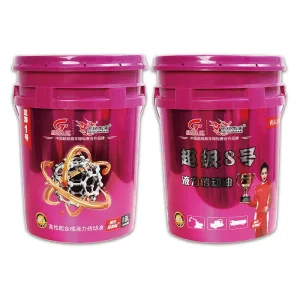
Engineered to exceed tough operating envelopes, optimizing fluid dynamics and transmission life cycles.
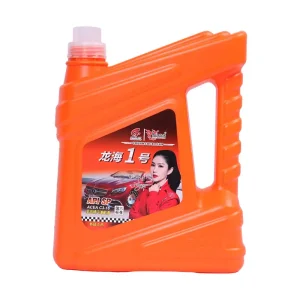
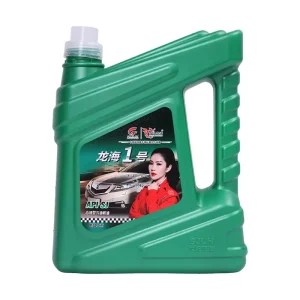
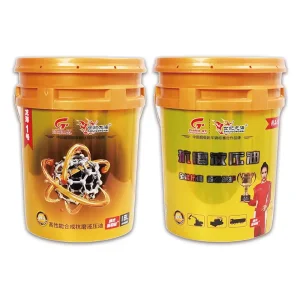
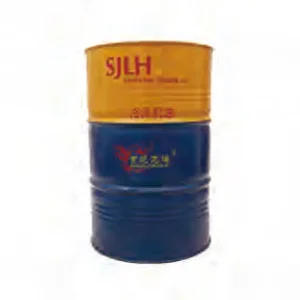
Unveiling the tribological demands, mechanical stresses, and global trade dynamics influencing next-generation gear lubrication.
Manual transmission systems remain a cornerstone of global heavy transport, commercial logistics, automotive segments, and heavy manufacturing. Across these diverse sectors, the manual gearbox is subjected to continuous high-torque operations, shocks, high friction, and fluctuating thermal envelopes. As a result, the global manual gearbox additives industry has transitioned from basic base-oil fortification to highly specialized molecular tribology. The demand for maximum driveline efficiency, fuel conservation, and decreased component wear is driving global lubricant specifications to new levels of complexity.
To satisfy international standards such as API GL-4, API GL-5, and key European OEM requirements, manual gearbox fluids require precisely balanced chemical packages. Modern additives must optimize friction behavior to enable smooth synchronizer engagement while providing heavy-duty anti-wear and extreme pressure (EP) performance. This dual requirement represents a chemical challenge: the additive chemistry must prevent micro-pitting and gear fatigue while remaining compatible with copper-alloy synchronizer components, ensuring they are not degraded by aggressive sulfur-phosphorus active chemistries.
Expert Tribology Note: The core task of high-performance manual transmission fluid (MTF) chemistry is managing the transition between boundary, mixed, and hydrodynamic lubrication zones. Without sophisticated friction modifiers and shear-stable viscosity index improvers, high surface-to-surface pressures can cause catastrophic adhesive wear, resulting in premature gearbox failure.
Furthermore, geographic variations shape global industrial consumption. In Europe and Asia-Pacific, high-load light-commercial vehicles and commercial distribution fleets rely heavily on manual transmissions. In these markets, operators demand extended drain intervals (often exceeding 300,000 kilometers) and low-temperature fluid performance for cold-start gear shifting. In developing industrial centers, manual transmissions are used under severe overload conditions. This requires additive packages with exceptional thermal-oxidative stability to prevent sludge formation, varnish buildup, and acid accumulation in high-temperature environments.
A premier Chinese high-tech manufacturer leading lubrication developments and custom synthesis since 2009.
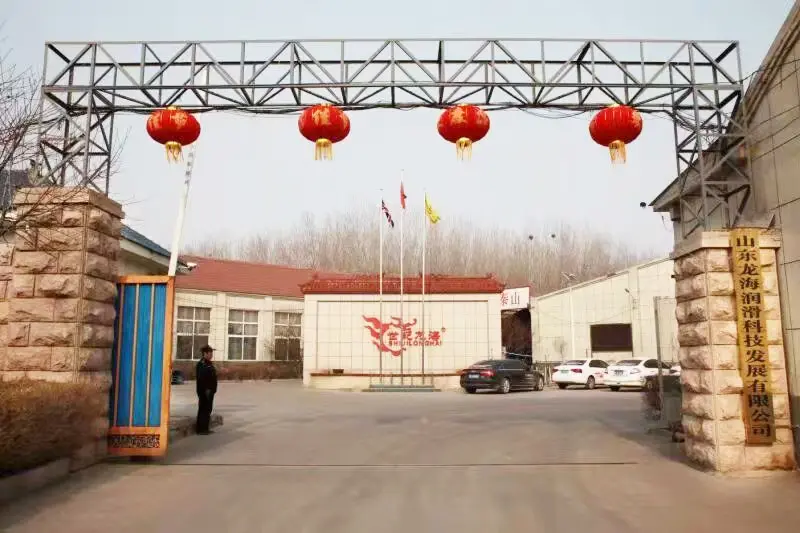
Established in 2009 with headquarters in Zibo, Shandong, Shandong Longhai Lubrication Technology Development Co., Ltd. has dedicated over 15 years to R&D, precision manufacturing, and global sales. By operating a fully integrated industrial supply chain, we deliver lubrication solutions engineered for the world's most demanding industrial and transportation applications.
Longhai Technology manages a strategic portfolio including our domestic brand "Century Longhai" alongside the internationally developed British "A Ba" series. Our products are backed by product liability insurance from PICC China People's Insurance Company, offering global buyers and OEMs complete reliability and operational peace of mind.
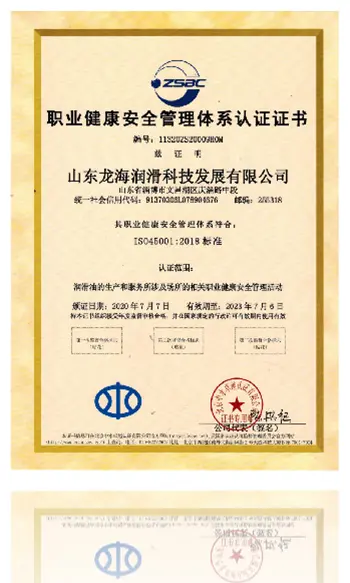
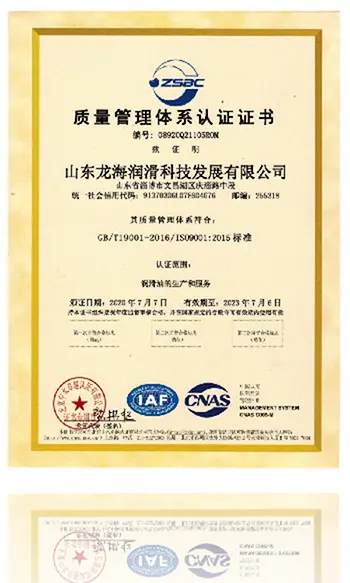
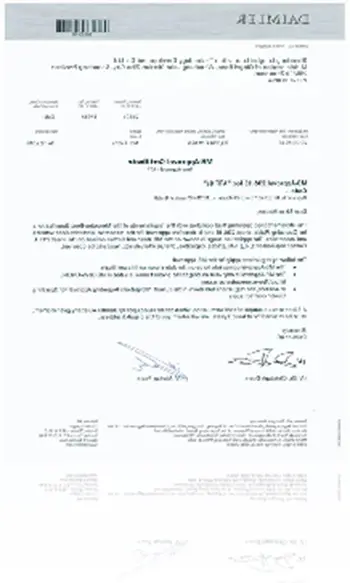
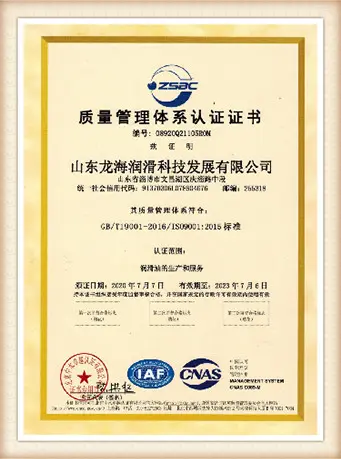
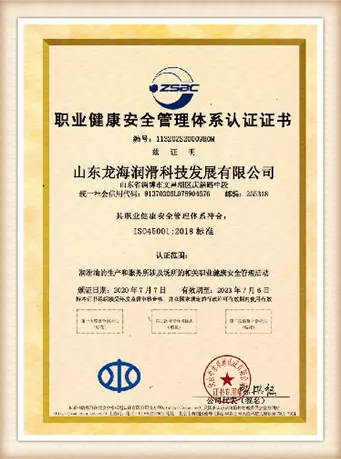
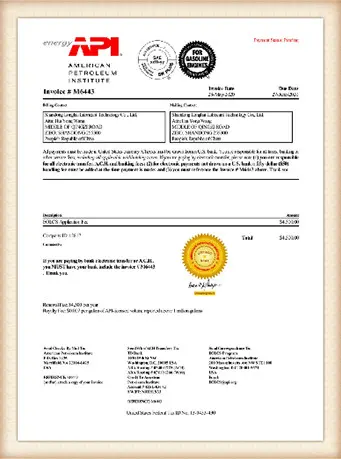
Our operation is certified to ISO 9001:2015 Quality Management, ISO 14001 Environmental Management, and ISO 18001 Occupational Health and Safety. Additionally, our specialized transmission fluids carry manufacturer approvals, such as Mercedes-Benz certifications, verifying that our chemistry delivers stable performance under heavy load profiles.
How Longhai's advanced production systems lower overheads while improving quality and consistency.
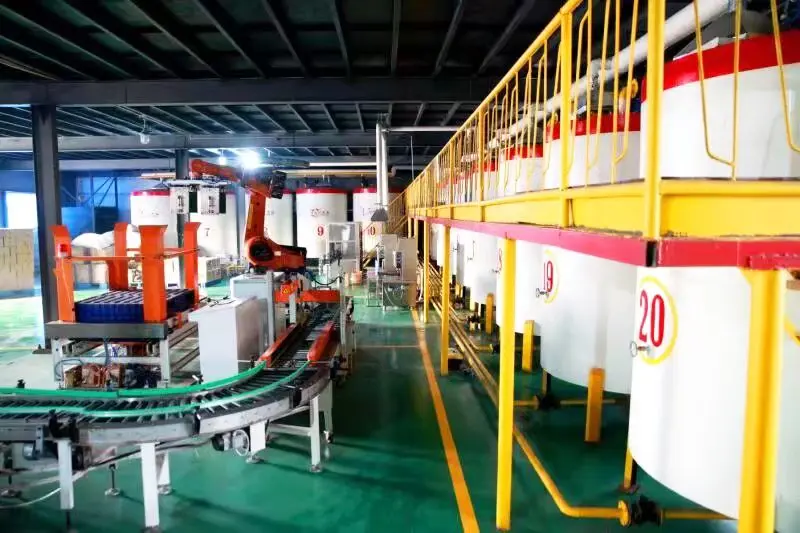
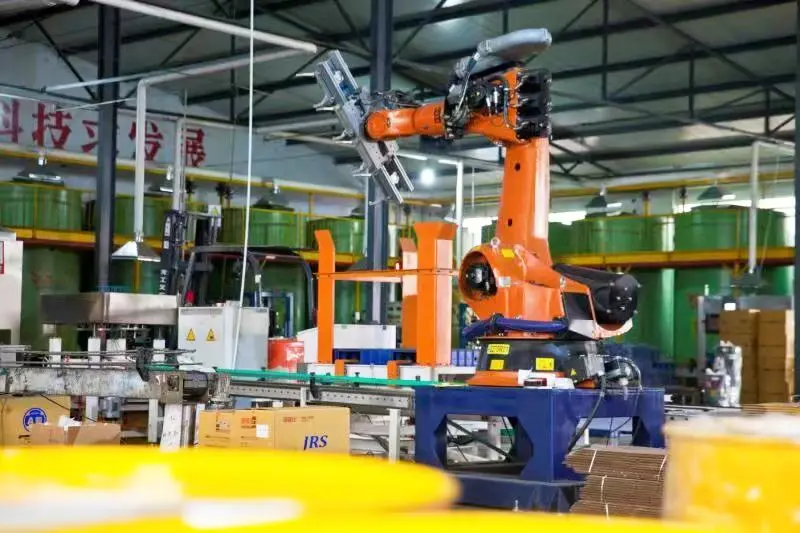
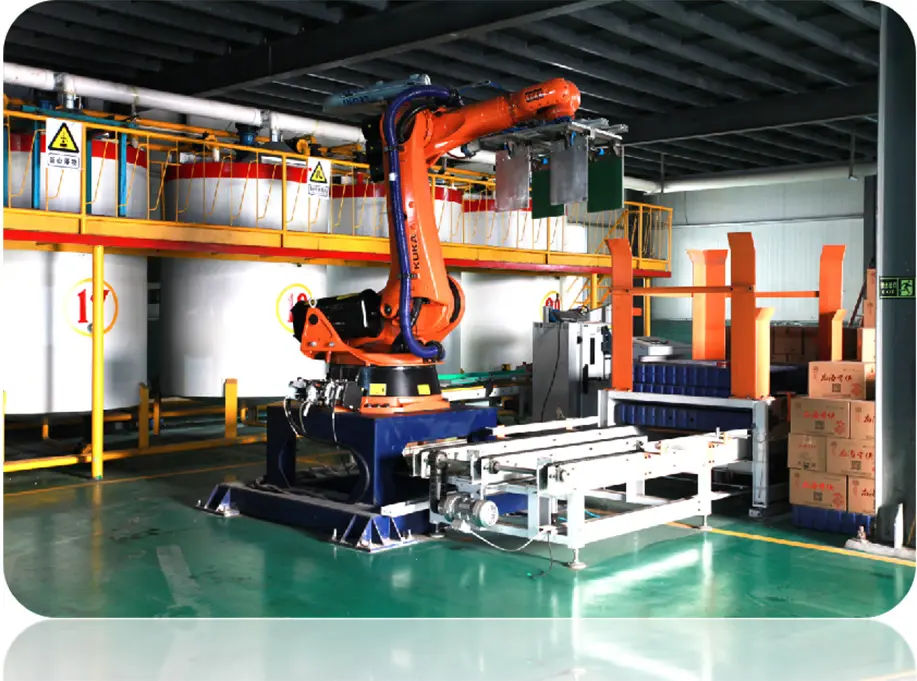
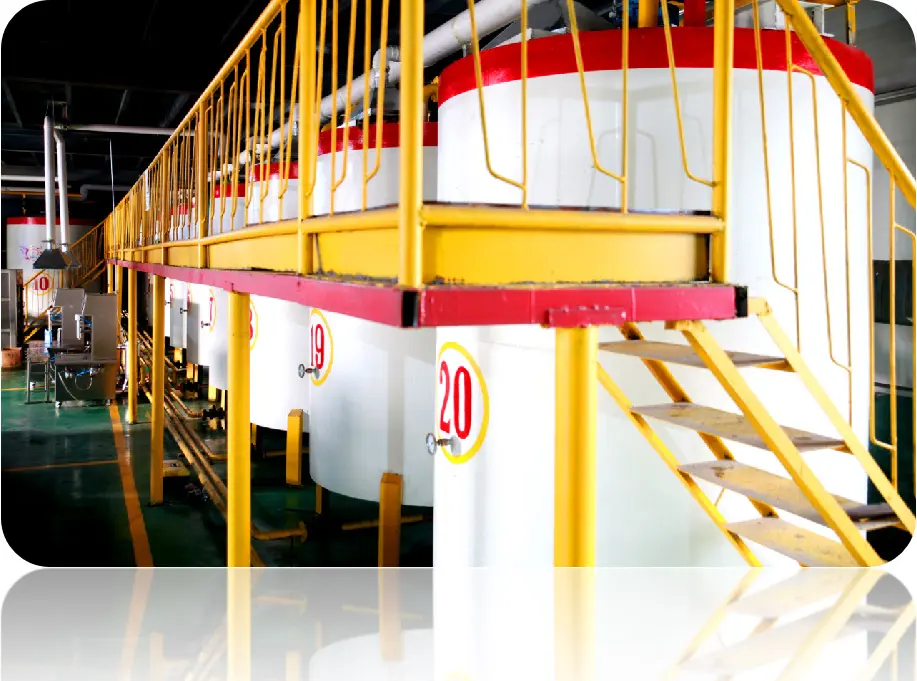
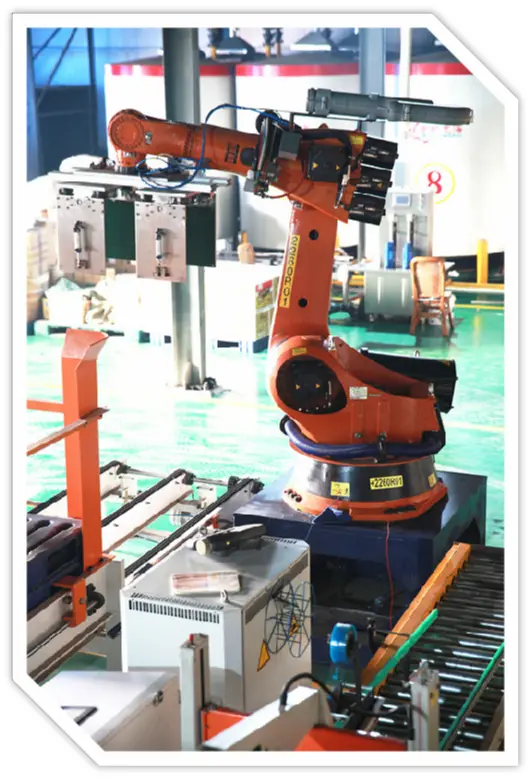
The global competitiveness of manual gearbox additives and blended fluids depends on production efficiency and quality control. At Longhai's Zibo facility, we utilize high-precision automated blending and packaging infrastructure to optimize our operations. Our fully automated filling lines are built on volumetric metering principles, maintaining filling tolerances between 1‰ and 2‰. This precision reduces raw material waste and ensures product consistency across batch volumes.
By upgrading our automated delivery systems, we have improved filling cycle times by 20% to 35% compared to conventional processes. This increase in throughput allows our factory to scale production rapidly to fulfill large international contracts without long lead times. Operating within Shandong's chemical manufacturing hub also grants us direct access to essential high-quality base oils (Group I, II, III, and synthetic Group IV/V) and primary chemical components, minimizing logistical delays and insulating our customers from global supply chain disruptions.
Operational Performance Highlight: Standardized production workflows allow Longhai to balance cost-efficiency with high quality. Our integrated testing laboratories monitor critical parameters—such as kinematic viscosity, flash point, pour point, copper corrosion resistance, and foaming tendencies—for every production run, ensuring batch-to-batch repeatability.
This localized supply chain integration, combined with our automated facility, allows us to offer cost-competitive solutions compared to Western manufacturers. For global buyers, this translates into high-performance manual transmission lubricants that meet strict global standards (such as API and ACEA) while optimizing procurement and shipping costs.
Tailoring chemical additive packages to withstand challenging operating environments and extreme industrial duties.
Transmission lubricants must perform reliably across a wide range of real-world environments. An additive package that performs well in a passenger vehicle operating in moderate climates may not protect a heavy-duty commercial truck in extreme environments. Longhai develops targeted additive formulations for specific localized application scenarios:
In high-latitude regions such as Northern Europe, Canada, and Northern China, winter temperatures can fall below -40°C. Standard manual gearbox oils thicken under these conditions, leading to stiff gear shifting, dry starts, and gear wear. Longhai’s additives utilize specialized pour point depressants (PPD) and shear-stable ester base stocks. These formulations maintain low-temperature fluidity, enabling immediate oil distribution and smooth synchronizer operation during cold starts.
Commercial trucking fleets in developing economies frequently operate under heavy loads and on steep gradients. These conditions generate high heat within the gearbox housing, causing oil film degradation and thermal shearing. Longhai’s heavy-duty formulations incorporate active sulfur-phosphorus extreme pressure (EP) agents. These additives form a sacrificial tribofilm on gear surfaces, preventing metal-to-metal contact, gear scuffing, and micro-pitting under high-torque conditions.
Mining and construction machinery operates in environments with high levels of dust, water, and debris, which can contaminate the gear system. Our additives feature advanced demulsibility modifiers and rust inhibitors. These components quickly separate water from the lubricant and coat metal surfaces with a protective film, preventing corrosion and gear failure even if contaminants enter the gearbox housing.
Partnering with global brands to develop, test, and package custom-tailored gear oil and additive formulations.
We formulate custom fully synthetic, semi-synthetic, and mineral-based gear lubricants designed to meet specific viscosity profiles, thermal stability targets, and synchronizer performance requirements to align with your market positioning.
Our facilities accommodate production runs from small-scale trial batches for validation to high-volume commercial production. We handle diverse packaging formats, from small retail containers to industrial-grade intermediate bulk containers (IBCs).
We provide full support throughout the commercialization process, including container structural design, localized regulatory labeling compliance, chemical SDS documentation, and third-party laboratory verification support.
Evaluating technical requirements, operating conditions, and target standards.
Our laboratory synthesizes prototype formulations to meet target specifications.
Rigorous physical and chemical evaluation, including ASTM testing protocols.
Automated blending, filling, and packaging in our ISO-certified facility.
Ongoing quality control, inventory management, and technical support.
Evaluating the impact of low-viscosity trends, hybrid drivelines, and green chemistry on formulation technology.
The manual transmission lubrication industry is shifting toward thinner fluid viscosities. Historically, manual transmissions used high-viscosity lubricants (such as 80W-90 or 95) to protect gears. Today, the demand for improved fuel economy and reduced drag losses has led to the development of low-viscosity manual transmission fluids (such as 75W, 70W, or custom single-grade oils). These low-viscosity fluids reduce internal friction losses within the transmission, lowering fuel consumption and greenhouse gas emissions.
However, lower viscosity reduces the thickness of the hydrodynamic oil film, putting more pressure on the chemical additives. Modern formulations must rely on advanced anti-wear and surface-active friction modifiers to protect components in boundary lubrication conditions. Synthetic base stocks (such as Polyalphaolefins and Polyol Esters) are increasingly combined with active phosphorus, nitrogen, and sulfur molecules to maintain oil film integrity under high temperatures and shearing forces.
E-E-A-T Technical Insight: Environmental regulations are also driving the development of bio-based, biodegradable gear lubricants and ashless additive technologies. These green formulations replace traditional heavy metals and active sulfur packages with eco-friendly alternatives that protect gears without causing environmental damage.
Additionally, the growth of hybrid drivelines presents new challenges for transmission fluids. In hybrid configurations, electric motors may be integrated directly with manual or automated manual transmission systems. This requires lubricants with reliable dielectric properties and compatibility with copper windings and insulation materials, while maintaining traditional gear and bearing wear protection. Longhai’s R&D team is developing specialized fluids designed for these hybrid applications.
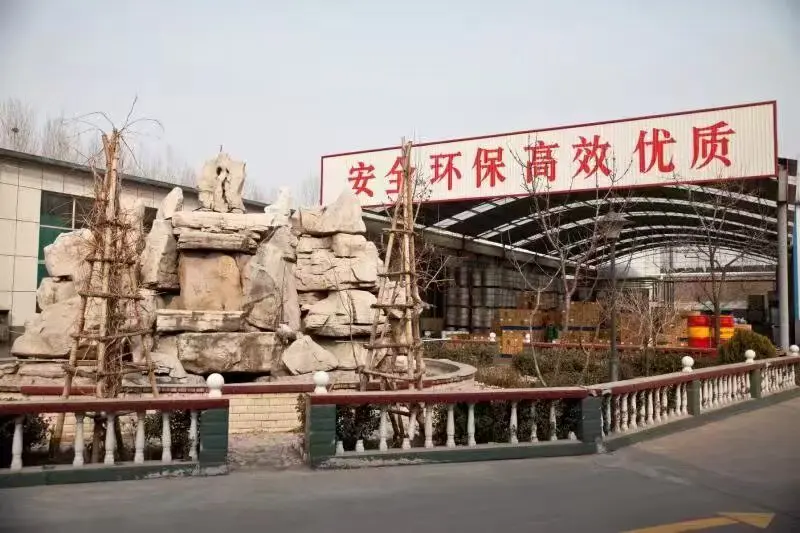
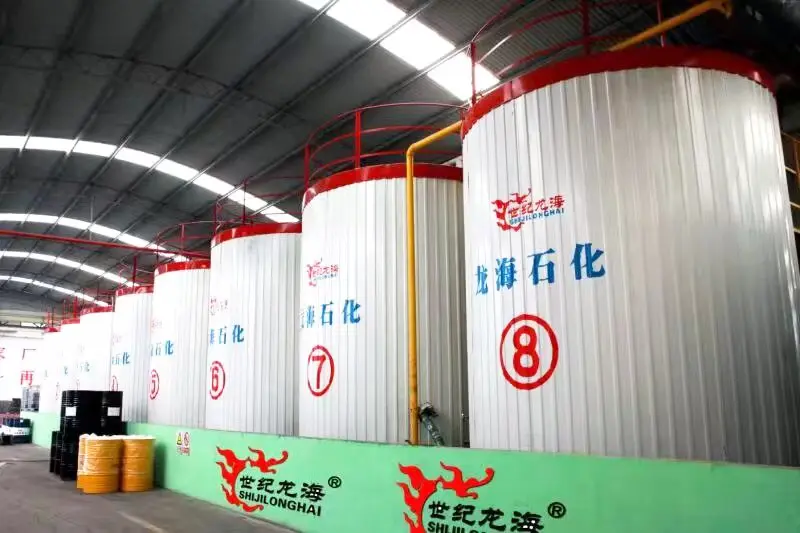
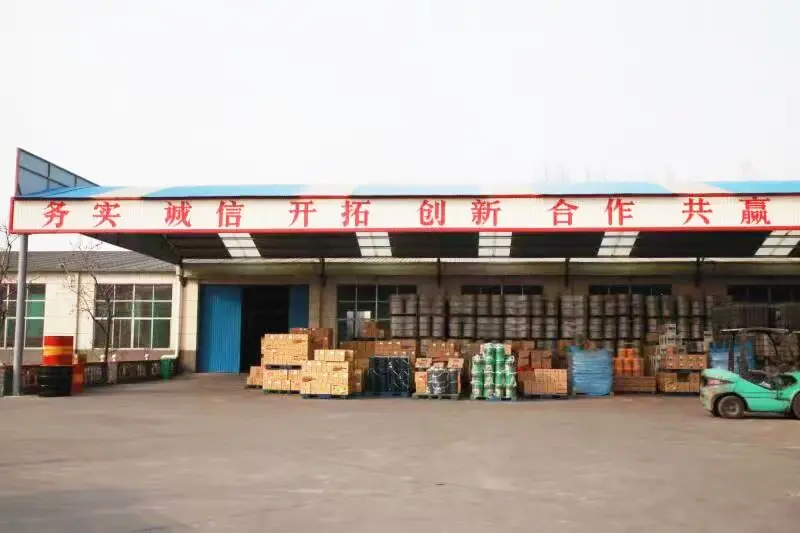
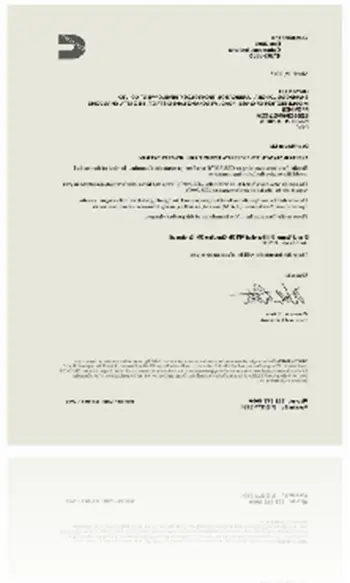
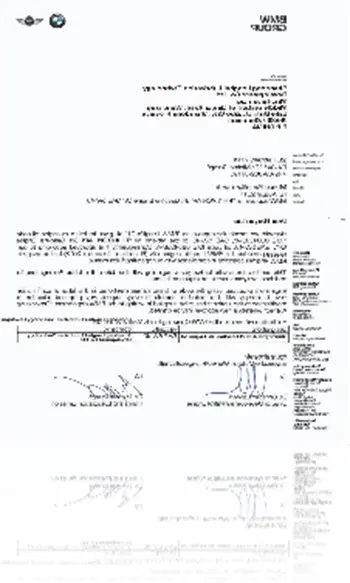
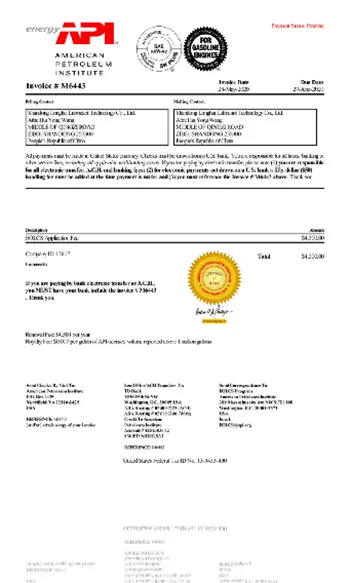
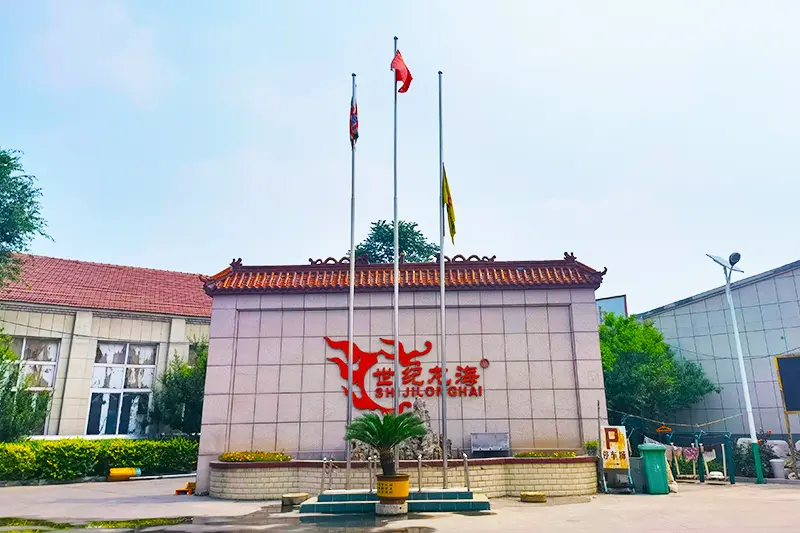
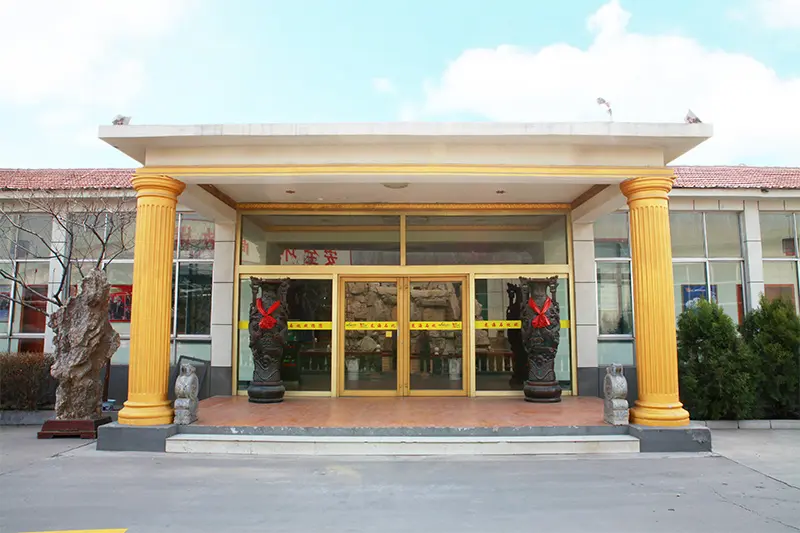
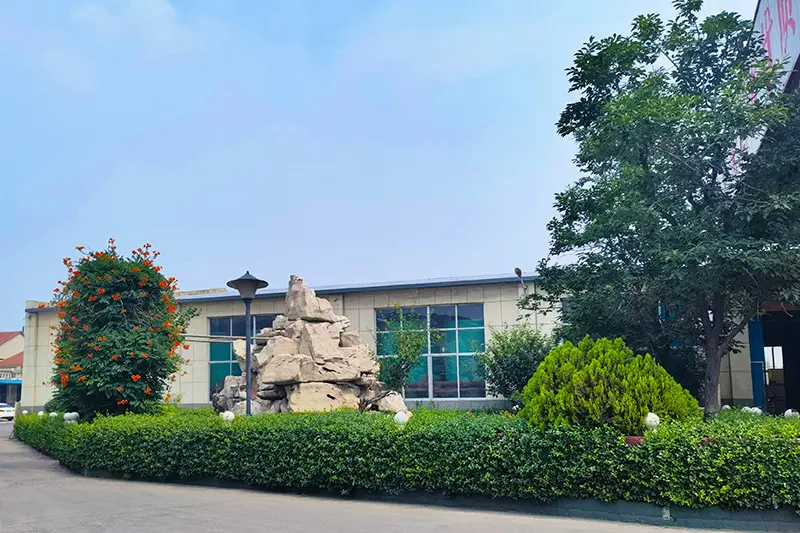
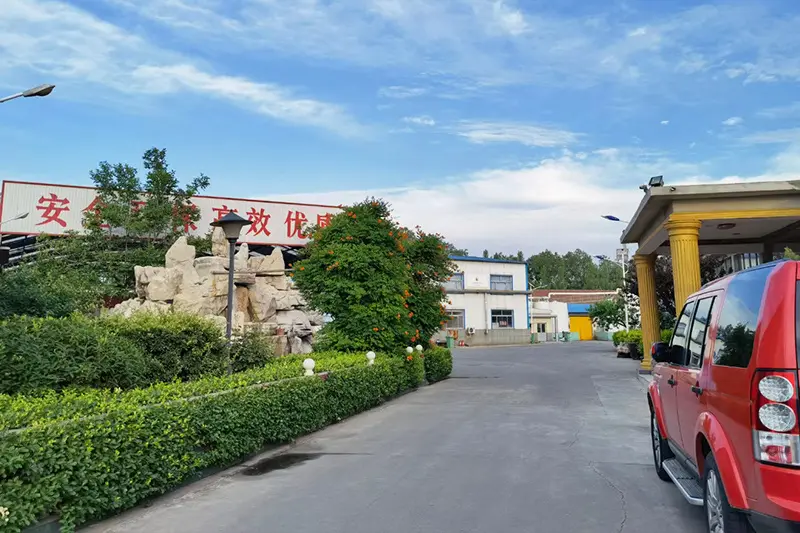
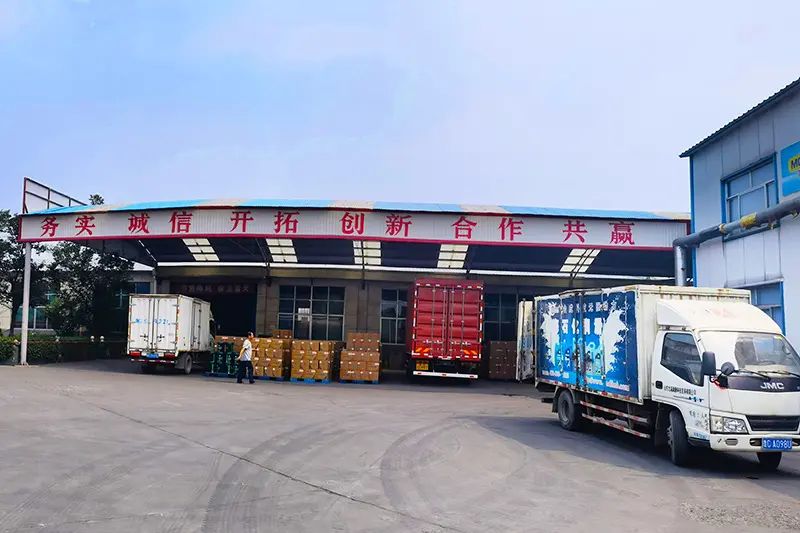
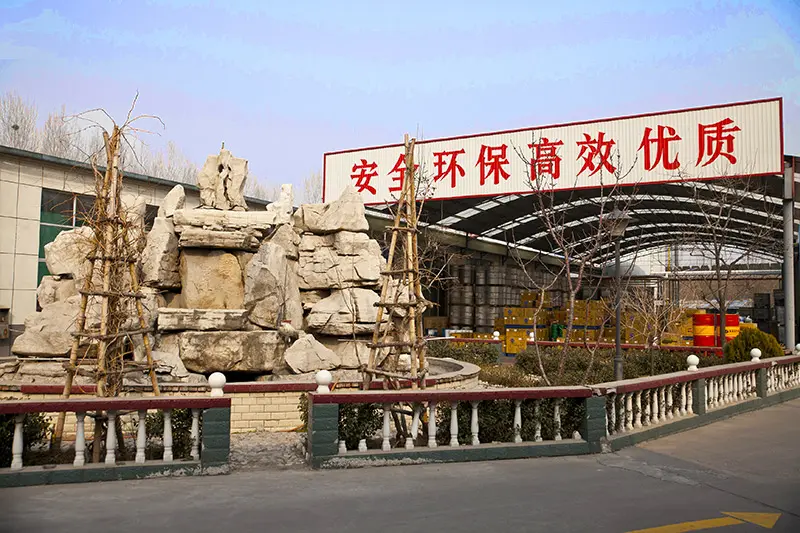
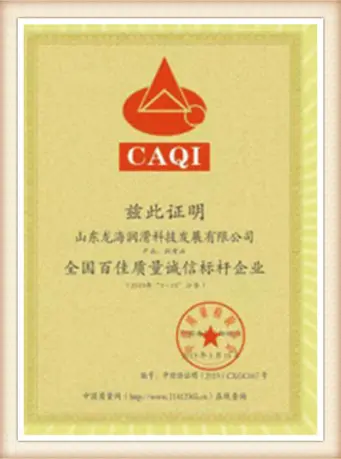
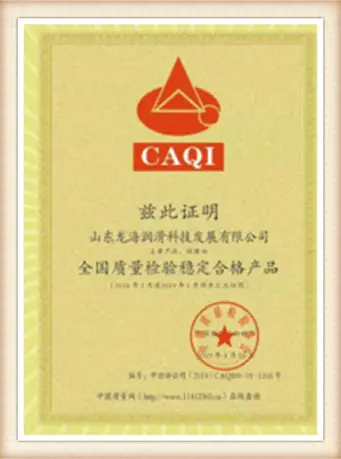
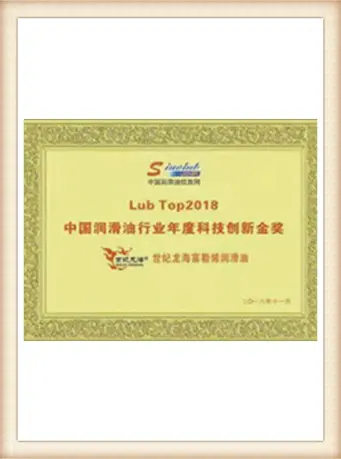
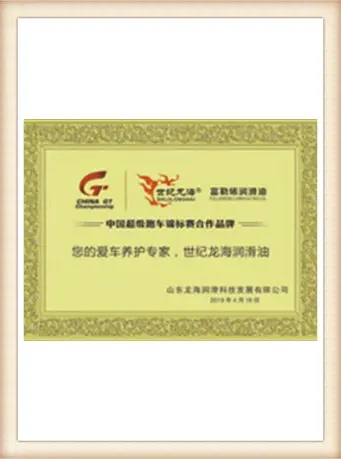
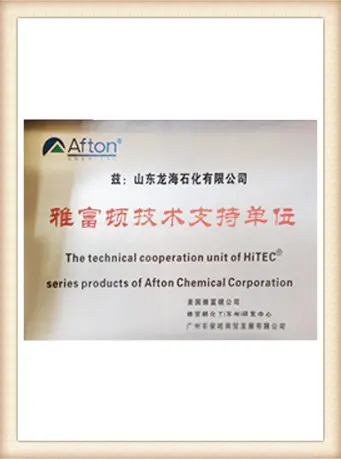
High-fidelity documentation of our factory environment, research center, and international quality certificates.
Addressing common technical inquiries from global procurement teams and automotive engineers.
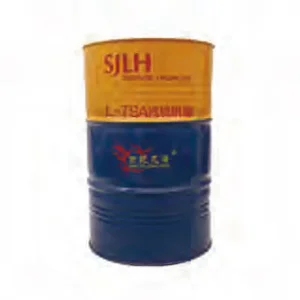
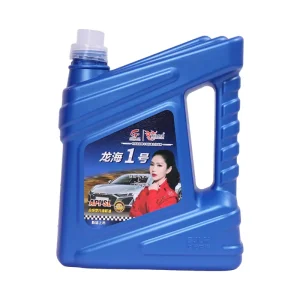
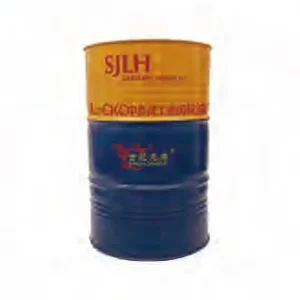
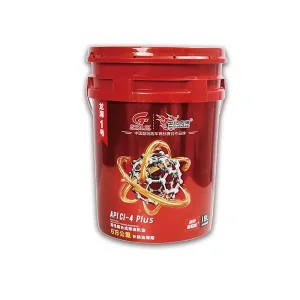
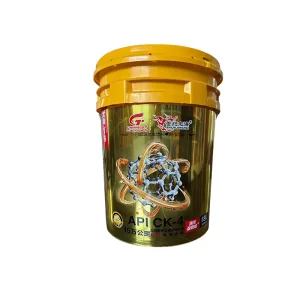
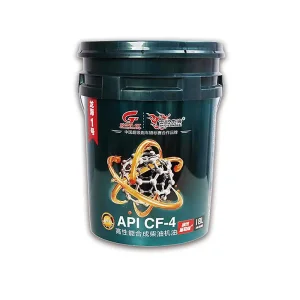
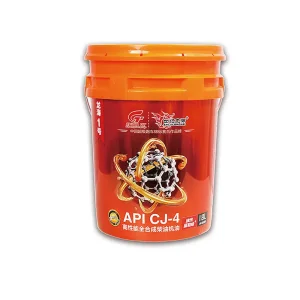
Refined synthetic and high-grade mineral formulations optimized for extreme thermal loads and high shear conditions.
Strategic supply security and shared growth in global transmission engineering.
As the manual transmission market evolves alongside low-viscosity, hybrid, and sustainable lubrication trends, sourcing components from verified manufacturers with robust supply chains is key to maintaining a competitive edge. Shandong Longhai Lubrication Technology Development Co., Ltd. combines research capability, chemical manufacturing infrastructure, and strict quality control. From our base in Zibo, China, we supply high-performance manual gearbox additives and custom blended fluids that protect equipment and improve efficiency for customers worldwide.
 Longhai