Why You Need Quality Gasoline Engine Oil for Your Vehicle?

Time:2026-06-15 Author:Charlotte
0%

In the world of automotive maintenance, the quality of gasoline engine oil plays a crucial role. Many vehicle owners underestimate the importance of selecting the right oil. This decision affects your engine's performance and longevity. Quality gasoline engine oil ensures smooth operation and efficient fuel consumption.

Using subpar alternatives can lead to severe engine wear and costly repairs. Quality oil contains additives that reduce friction and prevent sludge buildup, which is essential for maintaining engine health. A well-lubricated engine runs cleaner and provides better fuel efficiency.

Plus, it is vital to consider the oil change intervals recommended by manufacturers. Neglecting these can lead to degraded engine oil and decreased performance. The choice of gasoline engine oil reflects your commitment to vehicle care. Investing in high-quality oil is an investment in a smoother, more reliable ride. Prioritize the health of your engine; it deserves the best.
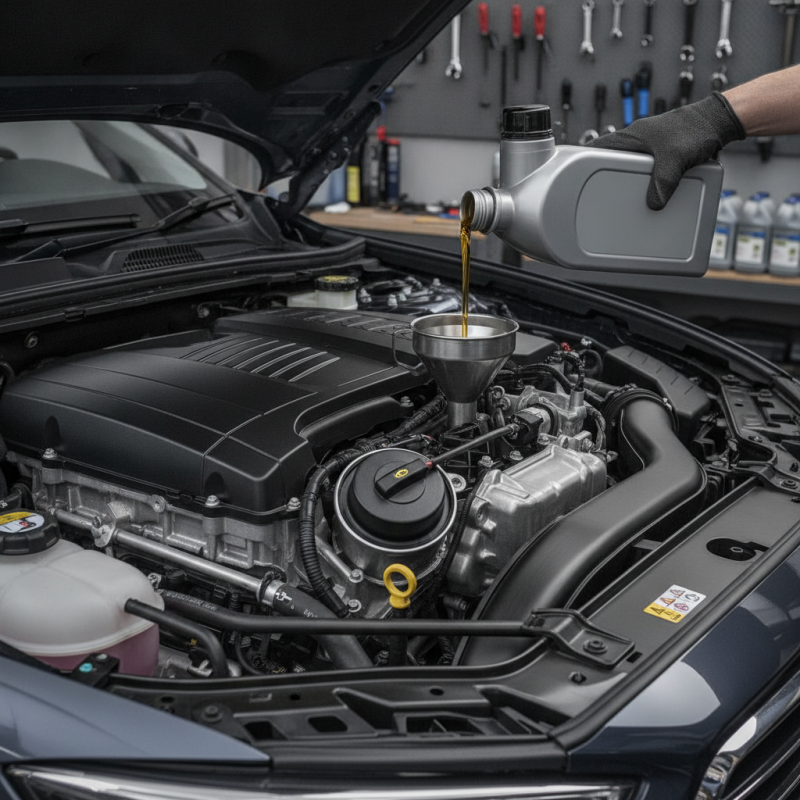
Why You Need Quality Gasoline Engine Oil for Your Vehicle?

Importance of Quality Gasoline Engine Oil for Engine Performance

Choosing quality gasoline engine oil plays a crucial role in engine performance. Proper lubrication reduces friction. Engines run smoother, and wear decreases. According to a recent industry study, high-quality oil can reduce engine wear by up to 50%. This reduction prolongs engine life, which means lower maintenance costs.

Moreover, quality oil maintains its viscosity under high temperatures. A report from the American Petroleum Institute emphasizes that quality engine oils can withstand temperatures up to 250°F. In contrast, low-grade oils can break down quickly. This deterioration leads to deposits forming within the engine, reducing efficiency. Affected engines may experience power loss and increased fuel consumption.

However, not all drivers acknowledge this importance. Some may opt for cheaper alternatives. This decision can backfire. Engine performance can suffer over time. Regular oil changes are essential, but using subpar oil mitigates those benefits. Drivers should reflect on whether their choices prioritize short-term savings over long-term health of their vehicles.

Understanding Viscosity Ratings and Their Impact on Engine Efficiency

When it comes to maintaining your vehicle's engine, understanding viscosity ratings is crucial. Viscosity indicates how well the oil flows at different temperatures. Higher viscosity oils can withstand greater heat, while lower viscosity oils offer better flow in colder conditions. It is essential to select oil that matches your engine’s requirements. Using the wrong viscosity can lead to poor lubrication and increased wear.

Factors like ambient temperature and driving conditions also play a role. For instance, if you often drive in extreme heat, a higher viscosity oil may be more effective. Conversely, if you live in a colder climate, a lower viscosity oil is likely better. This nuance emphasizes the need for vigilance when choosing oil. Ignoring these details could result in engine inefficiency and costly repairs.

Many drivers overlook the importance of viscosity ratings. Some may think all oils are created equal, but this is not true. The wrong choice can harm engine performance over time. Regularly checking your oil and understanding these ratings can lead to better efficiency and longevity for your vehicle. Engine oil plays an unglamorous yet critical role in your engine's health and efficiency.

The Role of Additives in Quality Gasoline Engine Oils

When it comes to gasoline engine oils, quality matters. One critical aspect that defines quality is the additives used in the formulation. Additives enhance the oil's performance, offering benefits that go beyond basic lubrication. For instance, according to a recent industry study, high-quality engine oils with robust additive packages can improve engine efficiency by up to 6%.

Additives serve multiple purposes. Detergents keep engine parts clean, reducing deposits and sludge. Dispersants prevent the formation of unwanted particulates by dispersing them throughout the oil. Viscosity index improvers maintain optimal flow characteristics across temperature ranges. The right blend of these additives allows your engine to operate smoothly, which can lead to significant savings in fuel costs over time.

However, not all oils are created equal, and some may skimp on additives. A report indicated that 25% of motor oils in the market fail to meet the necessary standards, raising concerns about engine protection. This inconsistency can lead to premature wear and engine failures. It's essential to recognize the importance of these additives in maintaining your car's longevity. Investing in high-quality gasoline engine oil ensures better performance and peace of mind.

Why You Need Quality Gasoline Engine Oil for Your Vehicle? - The Role of Additives in Quality Gasoline Engine Oils

Additive Type Function Benefits Typical Concentration (%)
Detergents Remove deposits and keep engine parts clean Improved engine cleanliness and performance 5-10
Dispersants Suspend contaminants and prevent sludge formation Longevity of oil and engine longevity 3-8
Viscosity Modifiers Enhance oil thickness at high temperatures Stable performance across temperature ranges 2-12
Anti-wear Agents Protect metal surfaces from physical wear Reduced friction and prolonged engine lifespan 0.5-3
Corrosion Inhibitors Prevent rust and corrosion in metal parts Improved durability of engine components 0.5-2
Foam Inhibitors Reduce foaming in the oil Consistent lubrication under all conditions 0.1-0.5

Cost-Benefit Analysis of Quality Engine Oil vs. Low-Grade Alternatives

When it comes to engine oil, the choice often boils down to quality versus cost. High-quality gasoline engine oil offers better protection against wear and tear. It maintains optimal viscosity and ensures smooth engine performance. In contrast, low-grade alternatives may save you money initially but can lead to larger expenses down the road. The engine can suffer from increased friction, leading to premature wear and costly repairs.

Consider the long-term effects of your oil choice. Quality engine oil can enhance fuel efficiency, potentially saving you money at the pump. It can also extend the lifespan of your vehicle, reducing the frequency of part replacements. This can be a vital consideration, especially as repair costs continue to rise. However, many drivers still opt for cheaper options without realizing the potential risks.

The impact of subpar oil on engine health can be real and alarming. It may cause sludge build-up and overheating issues, which compromise overall performance. Investing in quality engine oil is not just about immediate savings; it’s an investment in reliability. Reflecting on vehicle maintenance choices is essential. Every driver should weigh these factors carefully before selecting engine oil.

Long-Term Effects of Using High-Quality Engine Oil on Vehicle Longevity

Using high-quality engine oil is essential for your vehicle's longevity. Studies indicate that vehicles using premium oil can last an average of 15% longer than those using lower-quality options. This is primarily due to better lubrication, which reduces wear and tear on engine components. The American Petroleum Institute (API) states that premium oils maintain their protective properties longer, especially in extreme conditions.

In the long run, quality engine oil helps maintain fuel efficiency. According to a report from the International Council on Clean Transportation, engines running on high-quality oil can improve fuel efficiency by up to 2%. This leads to significant cost savings over time. Though many might choose cheaper options, they often face higher repair bills later. Regular maintenance, which includes using the right oil, is a key factor that should not be overlooked.

Neglecting to use quality oil can lead to premature engine failure. A vehicle may start to exhibit performance issues within a few thousand miles if inferior oil is used. This situation may force owners to make difficult decisions about repairs versus replacement. Investing in quality oil is more than just a good choice; it is crucial for ensuring your vehicle's future. Ignoring this can result in regret down the road.

Quality Engine Oil and Vehicle Longevity

FAQS

: Why is quality gasoline engine oil important for my engine?

: Quality oil reduces friction, helping engines run smoother and decreasing wear significantly.

How much can high-quality oil reduce engine wear?

High-quality oil can reduce engine wear by up to 50%, extending engine life and lowering maintenance costs.

What happens to low-grade oils at high temperatures?

Low-grade oils can break down quickly at high temperatures, leading to deposits in the engine that reduce efficiency.

How does using premium oil affect vehicle longevity?

Vehicles with premium oil can last about 15% longer due to better lubrication and reduced wear on parts.

Can high-quality oil improve fuel efficiency?

Yes, engines with quality oil can enhance fuel efficiency by up to 2%, leading to long-term cost savings.

What are the risks of using cheaper oil options?

Cheaper oils can lead to premature engine failure and increased repair costs, forcing owners into tough decisions.

How often should I change my engine oil?

Regular oil changes are essential, but always consider the quality of oil to maximize those benefits.

What performance issues arise from using inferior oil?

Performance issues can manifest within a few thousand miles of using inferior oil, impacting engine function.

Should I prioritize short-term savings when choosing engine oil?

Reflect on your choices; short-term savings may lead to long-term regrets regarding performance and vehicle health.

What can I expect if I neglect quality oil usage?

Neglecting quality oil can result in significant engine problems and costly repairs down the road.

Conclusion

Quality gasoline engine oil is essential for optimal engine performance and longevity. It plays a crucial role in reducing friction, enhancing fuel efficiency, and protecting engine components from wear and damage. Understanding viscosity ratings is important, as they directly impact engine efficiency by ensuring proper lubrication under various operating conditions. Additionally, high-quality gasoline engine oils incorporate advanced additives that improve performance, prevent deposits, and enhance the oil's overall effectiveness.

When comparing the cost of high-quality engine oil to lower-grade alternatives, a thorough cost-benefit analysis reveals that investing in quality oil can lead to significant long-term savings by prolonging vehicle life and reducing maintenance costs. Using high-quality gasoline engine oil not only supports superior engine performance but also contributes to the overall longevity of the vehicle, making it a smart choice for any car owner.


Charlotte

Charlotte

Charlotte is a seasoned marketing professional with a deep understanding of the company's portfolio and a passion for elevating its presence in the market. With a keen eye for detail and a commitment to excellence, she ensures that our professional blog is regularly updated with insightful articles......