Choosing the right Air Conditioner Compressor Oil is essential for optimal performance. With numerous products available, buyers face challenges. Selecting high-quality compressor oil can prevent system failures and extend equipment life.
In 2026, global buyers need reliable options. The right oil ensures efficiency and reduces wear. Yet, many overlook the importance of proper lubrication. Some may choose based on price alone, missing crucial specifications. Details matter, particularly viscosity and compatibility with refrigerants.
Consider the long-term impact of your choice. Understanding how different oils interact with your system can enhance longevity. While many products claim superiority, not all meet industry standards. Awareness of reliable brands will guide informed decisions. Choose wisely to improve your air conditioning system’s performance.
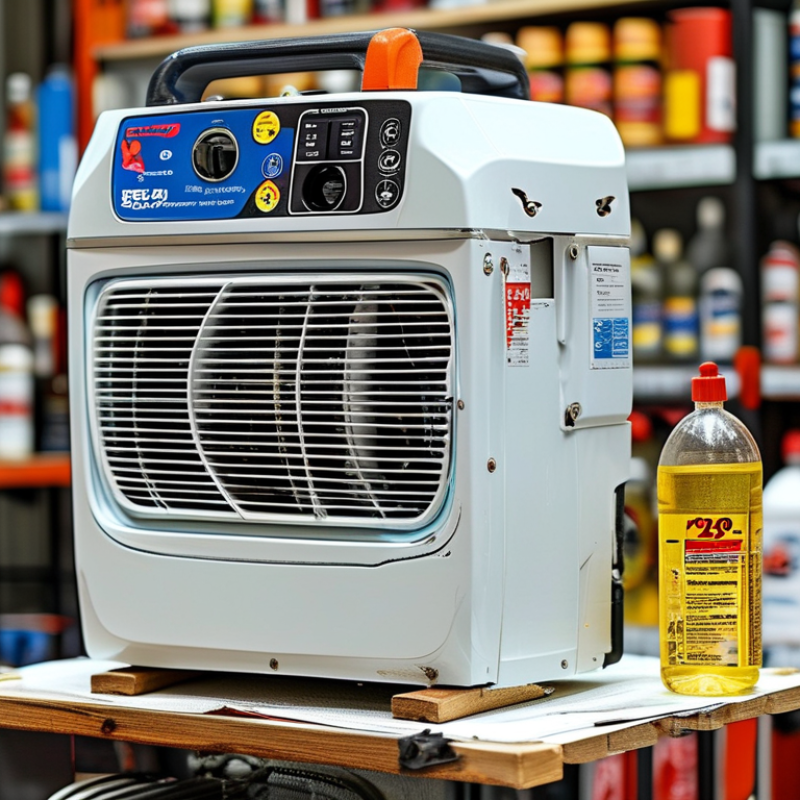
When considering air conditioner compressor oil in 2026, specific features are crucial. Viscosity is a primary factor. The right viscosity ensures effective lubrication and optimal performance. Reports indicate that oil with a viscosity index of 80 to 100 performs well in diverse conditions. Manufacturers often overlook this aspect, leading to suboptimal compressor function over time.
Another essential attribute is thermal stability. High-quality oil can withstand higher temperatures without breaking down. According to industry experts, thermal stability can extend the lifespan of the compressor significantly. Oils that maintain efficacy at temperatures exceeding 120°C are preferable. However, many buyers may not recognize the importance of this feature and might settle for cheaper alternatives.
Additives play a vital role, too. Antioxidants and anti-wear agents enhance the oil's performance. They reduce degradation and wear on components. It’s alarming that some products lack these additives, resulting in premature compressor failures. An analysis showed that nearly 30% of compressors fail due to inadequate lubrication. Understanding these features is essential for making informed purchasing decisions in a crowded market.
When choosing compressor oil in 2026, understanding viscosity is crucial. Each grade has specific applications. For example, ISO VG 32 is commonly used in low-temperature environments. This ensures proper lubrication, maintaining efficiency while minimizing wear. Experts suggest that optimal viscosity can enhance energy efficiency by up to 10%.
Additionally, the API Service Classification plays a significant role. It categorizes oils based on performance and compatibility with refrigerants. The current standards indicate a shift towards more synthetic formulations. Studies reveal that synthetic oils outperform mineral oils in terms of thermal stability and pumpability. This results in longer service intervals and reduced maintenance costs.
However, not all oils meet the evolving industry standards. Buyers must remain vigilant. Inconsistent quality can lead to compressor failure. Recent data indicates that 15% of compressor faults relate directly to inadequate lubrication. Ensuring compliance with viscosity and performance standards aids in preventing such issues.
When it comes to compressor oils, the debate between synthetic and mineral options is ongoing. Synthetic oils often promise superior performance. They resist temperature fluctuations and maintain viscosity, which is crucial for compressor efficiency. These oils can extend the lifespan of your air conditioning system, reducing maintenance costs in the long run.
On the other hand, mineral oils have their own merits. They are often more affordable and easier to find. These oils offer decent lubrication, especially in traditional systems. However, they may break down faster under high temperatures. Users might notice increased wear and tear if they opt for mineral oils.
Choosing the right oil requires careful consideration. Factors such as system type and local climate will influence your decision. Each oil has specific properties that either enhance or complicate operation. Finding the balance between cost and performance is key. It’s important to not overlook the manufacturer’s recommendations as they provide valuable insights. Relying solely on personal preference may lead to suboptimal results.
The choice of compressor oil plays a critical role in the efficiency and longevity of air conditioning units. Quality oil prevents wear and tear on the compressor, which is the heart of the system. Without the right oil, friction increases, leading to overheating. This can significantly reduce the lifespan of your AC unit.
Proper lubrication ensures that components run smoothly. Inadequate oil can result in clogs or deposits, affecting overall performance. Regular maintenance, including oil checks, can help in identifying potential issues early. Investment in suitable compressor oil is key for high efficiency. It lowers energy consumption and minimizes operational costs over time.
Choosing the right oil will also depend on the system design and local climate conditions. Not all oils suit every environment. Some users may overlook this and face inefficient cooling. It’s essential to consider the unique demands of each AC unit. Balancing these factors can greatly enhance performance and reliability.
| Oil Type | Viscosity (cSt at 40°C) | Recommended Temperature Range (°C) | Impact on Efficiency (%) | Longevity Enhancement (Years) |
|---|---|---|---|---|
| Polyol Ester | 32 | -10 to 50 | 15 | 3 |
| Mineral Oil | 46 | 0 to 40 | 10 | 2 |
| Synthetic Hydrocarbon | 30 | -20 to 60 | 20 | 4 |
| POE (Polyol Ester) | 32 | -10 to 50 | 18 | 3.5 |
| Ester Oil | 34 | -10 to 55 | 22 | 5 |
In 2026, the global market for air conditioner compressor oil is evolving rapidly. Increasing awareness about energy efficiency drives demand for high-quality lubrication. Consumers seek oils that enhance the performance and lifespan of their systems. This creates opportunities for manufacturers to innovate. They must ensure that their products meet international standards for quality and safety.
Leading brands are focusing on sustainable practices. They are investing in research to develop eco-friendly oils. This shift not only meets consumer demands but also aligns with environmental regulations. However, some challenges remain. Not all manufacturers can consistently produce high-quality products. This inconsistency can lead to market saturation with inferior options.
As buyers navigate their choices, they must prioritize reliable suppliers. Gathering detailed information about the formulation and testing of oils can be beneficial. Engaging in industry forums and discussions can aid in making informed decisions. Buyers should not underestimate the importance of thorough research. Balancing quality with affordability remains a contentious topic. The path forward requires careful consideration and reflection on long-term implications.
: Consider viscosity grade, system type, and local climate. Each factor influences performance.
Viscosity ensures proper lubrication. It minimizes wear and can enhance energy efficiency by up to 10%.
Synthetic oils offer superior performance and longevity. Mineral oils are cheaper but may break down faster.
High-quality oils can extend service intervals. They reduce maintenance costs and improve overall efficiency.
Yes, inadequate oils can lead to compressor failure. About 15% of faults stem from lubrication issues.
Research suppliers and formulations. Consult industry forums for insights and make informed choices.
There's a push for sustainable, synthetic formulations. Consumers are increasingly aware of energy efficiency.
Yes, mineral oils work well in traditional systems but may cause more wear under high temperatures.
Recommendations provide valuable insights. Ignoring them may lead to poor performance and increased issues.
Inconsistency in quality leads to market saturation with inferior products. This complicates buyer decisions.
The article "2026 Best Air Conditioner Compressor Oil for Global Buyers" explores critical aspects of air conditioner compressor oil essential for optimizing AC unit performance. It addresses the top features to consider when selecting compressor oil, including key grades and viscosity standards that have evolved by 2026. A comparative analysis highlights the pros and cons of synthetic versus mineral compressor oils, emphasizing how these choices affect both efficiency and longevity of air conditioning systems.
Additionally, the article discusses global market trends, shedding light on the leading brands that dominate the compressor oil supply sector. By examining these elements, it becomes evident that choosing the right air conditioner compressor oil is vital for maintaining peak operational performance and enhancing the lifespan of air conditioning units in an ever-evolving market landscape.

Longhai